How to Transplant Desert willow?
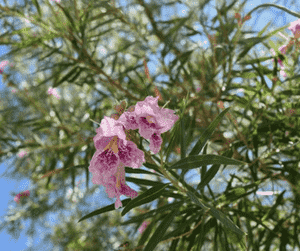
As spring's warmth arrives in our gardens, it's the ideal period to relocate desert willow, facilitating superior root development. Place desert willow in sunny, adequately draining spots, carefully guiding it to its new environment to foster robust growth.
What Preparations are Needed Before Transplanting Desert Willow?
What is the Ideal Time for Transplanting Desert Willow?
The prime time for relocating desert willow is during spring's onset, when mild temperatures and extended daylight hours promote vigorous root establishment. Moving desert willow at this time maximizes its survival, ensuring a smooth transition to its new spot. Embrace this period to enjoy a robust, thriving desert willow in your garden.
How Much Space Should You Leave Between Desert Willow Plants?
When moving desert willow, allow ample room for them to expand. Ideally, position each plant approximately 10-12 feet (3-3.7 meters) apart. This provides sufficient space for growth without overcrowding.
What is the Best Soil Mix for Desert Willow Transplanting?
Before relocating desert willow, prepare your garden bed with soil that drains well. A blend of sandy or loamy soil would be perfect. Additionally, incorporating a slow-release, high-phosphorus fertilizer can give your plant an excellent start.
Where Should You Relocate Your Desert Willow?
Selecting a site for your desert willow is vital. Choose a location in your garden where it will receive full sun. These plants thrive in sunlight and will grow best with at least 6-8 hours of direct light daily.
What Equipments Should You Prepare Before Transplantation Desert Willow?
Shovel
Used for excavating the desert willow from its original spot and for digging a new planting hole.
Gardening Gloves
To safeguard your hands while handling soil and plants.
Gardening Trowel
Useful for extracting the desert willow from a container or seedling tray.
Watering Can
Required for hydrating the plant both before and after its relocation.
Wheelbarrow
Optional, but beneficial, especially for moving the plant a considerable distance. It can simplify transport and prevent plant damage.
Mulch
This will aid in retaining moisture at the new site, particularly crucial in the initial stages post-transplant.
How Do You Remove Desert Willow from the Soil?
How Do You Remove Desert Willow from the Soil?
From Ground: Start by watering the desert willow to moisten the soil, making excavation easier. Then, use your shovel to dig a wide trench around the plant, ensuring the root ball remains intact. Carefully work the shovel beneath the root ball to lift the plant from the ground.From Pot: If the desert willow is in a container, water it thoroughly, then gently turn the pot sideways. Carefully slide the desert willow out, supporting the plant at its base. If it's stuck, tap the pot's edge against a firm surface to loosen it.From Seedling Tray: For a seedling in a tray, first dampen the soil. Gently hold the desert willow by its leaves, not the stem. Use a gardening trowel to carefully scoop out the seedling, aiming to get as much of the root system as possible.
Step-by-Step Guide for Transplanting Desert Willow
Preparation
Begin by watering the desert willow and the new planting area. This helps reduce stress on the plant during the move.
Digging Hole
Using your shovel, excavate a hole at the new site. It should be twice as wide and the same depth as the desert willow's root ball.
Planting
Carefully place the desert willow into the hole. Ensure the top of the root ball is level with or slightly above the soil surface. Backfill the hole with soil, gently firming it around the plant's base.
Watering
Water the desert willow thoroughly after transplanting; this will help settle the soil around its roots.
Mulching
Apply 2-3 inches of mulch around the plant's base. This aids in moisture retention and weed suppression.
How Do You Care For Desert Willow After Transplanting?
Watering
Water the desert willow deeply and consistently for the initial weeks following transplanting. This encourages the development of a robust root system.
Maintenance
Remove any dead or damaged parts promptly and watch for common pests or diseases. This ensures the desert willow's health and vitality long after relocation.
Support
If the desert willow is tall and your area experiences strong winds, it might require additional support. A stake can be used to prevent the plant from leaning.
Troubleshooting Common Issues with Desert Willow Transplantation.
What's the best time of the year to transplant desert willow?
The most opportune period to move desert willow is during the first to third season of the year. This provides an optimal environment for the plant's development.
How far apart should I plant desert willow when transplanting?
Ensure ample room for desert willow to grow â a spacing of 10-12 feet (3 to 3.7 meters) between each plant would be ideal.
What is the most suitable soil type for transplanting desert willow?
Desert willow thrives best in well-drained soils. Sandy, loamy, or clay soils with good drainage promote optimal desert willow growth.
Is it important to water desert willow immediately after transplanting?
Absolutely, it's crucial to thoroughly water desert willow right after transplanting to provide hydration and stimulate root growth in its new setting.
How often should I fertilize my transplanted desert willow?
Consider fertilizing monthly during the active growth period. Excessive fertilization can lead to weak growth and poor blooms, so moderation is key.
Should I prune desert willow after transplanting it?
Yes, a light pruning is recommended after transplanting. This helps the desert willow direct its energy towards root development rather than top growth.
What's the best way to handle desert willow roots during transplanting?
Handle with care to avoid damaging desert willow's roots. Keep them moist during transport and gently spread them out in the planting hole.
What can I do if the leaves of my transplanted desert willow turn yellow?
Yellow leaves can indicate overwatering or insufficient drainage. Adjust your watering schedule, ensure good soil drainage, and consider an iron-rich supplement.
What to do if my desert willow shows no signs of growth after transplanting?
Often, desert willow prioritizes root growth initially, so be patient. However, if there's no change after a month, check your soil quality, watering routine, and planting depth.
What if my transplanted desert willow has brown, dry edges on leaves?
This can signal a lack of water. Ensure desert willow is adequately watered, especially during dry periods. Mulching also helps maintain soil moisture.



