How to Transplant Bamboo palm?
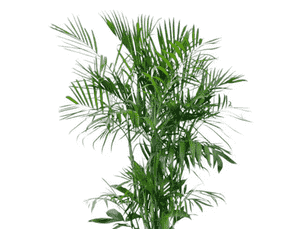
Bamboo palm flourishes most effectively after relocation during the peak of the warm season, usually mid-summer, owing to its vigorous development. Select a location that offers shade and excellent drainage. Carefully managing the root system facilitates a smooth adjustment.
What Preparations are Needed Before Transplanting Bamboo Palm?
What is the Ideal Time for Transplanting Bamboo Palm?
The best time to move bamboo palm is during the pleasant warmth of late spring or early summer. This timing allows bamboo palm to establish itself with a full growing season ahead, encouraging strong root development and adaptation. By utilizing this natural growth period, bamboo palm has a better chance to flourish, as warm soil and longer days combine to stimulate new growth. Transplanting in this season provides bamboo palm with the resilience needed for winter, ensuring a vibrant, green presence in your space.
How Much Space Should You Leave Between Bamboo Palm Plants?
Always remember, each bamboo palm requires room to expand. Make sure to space them 2-3 feet (60-90 cm) apart when relocating. This will guarantee that every plant receives sufficient light, water, and nutrients.
What is the Best Soil Mix for Bamboo Palm Transplanting?
The correct soil will make a significant impact! Bamboo palm thrives best in soil that drains well, so opt for a blend of peat, sand, and perlite. To jumpstart growth, incorporate an all-purpose slow-release fertilizer into the soil.
Where Should You Relocate Your Bamboo Palm?
When deciding where to place your bamboo palm, consider the amount of sunlight. These plants appreciate some sun but not an excessive amount. Therefore, find a spot in your garden that receives filtered light or indirect sunlight for most of the day.
What Equipments Should You Prepare Before Transplantation Bamboo Palm?
Gardening Gloves
To safeguard your hands while handling the soil and bamboo palm.
Trowel
This small hand tool assists in digging the hole for the bamboo palm.
Shovel
Utilize a larger shovel if your bamboo palm is bigger or the ground is firm.
Container or Burlap
To transport and safeguard bamboo palm's root ball during the process.
Watering Can
You'll need this to hydrate the bamboo palm before and after relocation.
Mulch
This will help maintain soil moisture around bamboo palm after transplanting.
Scissors/Pruning Shears
To trim off any dead or excessively long roots.
How Do You Remove Bamboo Palm from the Soil?
How Do You Remove Bamboo Palm from the Soil?
From Ground: First, water your bamboo palm plant to moisten the soil, which simplifies digging and reduces plant stress. Then, dig around the plant with a shovel or spade, maintaining a safe distance to avoid harming the root system. Once you can get beneath the root ball, gently lift the plant. Hold it by the base, not the stems, during the lifting process.From Pot: Water the bamboo palm initially. Then, tilt the pot sideways while supporting the plant's base. Apply gentle pressure or tap the pot's edges to loosen it. If your bamboo palm is large, you might need assistance with this step.From Seedling Tray: Submerge the tray in water to dampen the soil. Then, use a sanitized spoon or small tool to extract the seedling. As always, be careful not to damage the delicate roots and stem.
Step-by-Step Guide for Transplanting Bamboo Palm
Preparing the Plant
Water the bamboo palm so its roots remain moist during the transfer. Trim any dead or overly long roots.
Digging the Hole
The hole should be twice as wide and equal in depth to the root ball. This allows the roots of the bamboo palm to spread easily.
Placing the Plant
Position your bamboo palm in the hole. The top of the root ball should be level with or slightly above the ground surface to prevent waterlogging.
Refilling the Hole
Backfill the hole with the original soil. This encourages the roots to adapt to their new surroundings.
Watering
Water the bamboo palm thoroughly immediately after transplanting to settle the soil.
Adding Mulch
Apply a layer of mulch around the plant, ensuring it doesn't touch the base of the bamboo palm. This keeps the soil moist and protects the roots.
Stabilizing
If bamboo palm is tall, gently secure it with a stake for support during its initial days.
How Do You Care For Bamboo Palm After Transplanting?
Watering
For the initial few weeks, keep the soil around your bamboo palm consistently moist without overwatering.
Pruning
Remove any yellow leaves or branches to allow bamboo palm to focus on new growth. However, avoid extensive pruning during the first few weeks.
Monitoring
Watch for any indications of transplant shock, such as wilting, yellowing, or drooping, and take measures to alleviate it (like moving the bamboo palm to a less exposed spot or adjusting watering).
Patience
Remember, it may take some time for your bamboo palm to adjust to its new environment, so be patient and provide the necessary care.
Troubleshooting Common Issues with Bamboo Palm Transplantation.
When is the best time to transplant bamboo palm?
Ideally, you should transplant bamboo palm between stages S4-S6, which corresponds to the late growing season into the early peak season.
What is the ideal distance between each bamboo palm when transplanting?
Keep bamboo palm spaced approximately 2 to 3 feet (60-91cm) apart. This allows enough space for each plant to grow without competing for resources.
How deep should I dig the hole when transplanting bamboo palm?
The hole should be twice as wide and just as deep as the root ball of bamboo palm. This ensures enough space for the roots to spread.
Why is my transplanted bamboo palm drooping or appearing unhealthy?
Sugar stress could be the cause. Ensure to water correctly and avoid overwatering or underwatering. If the issue persists, check for pests or diseases.
Should bamboo palm be given any special fertilizer after transplanting?
Bamboo palm will benefit from a slow-release, high nitrogen fertilizer after transplanting. This will help to promote robust and healthy growth.
What is the suitable soil needed for transplanting bamboo palm?
Bamboo palm prefers well-draining, loamy soil. Consider amending your soil with compost or organic material to improve nutrients and drainage.
How often should I water my bamboo palm after transplanting?
Initially, water bamboo palm daily for the first week. Then, reduce watering to 2-3 times a week. Remember to keep the soil consistently moist but never saturated.
What to do if my transplanted bamboo palm is turning yellow?
Yellowing may indicate overwatering, poor drainage, or soil nutrient deficiency. Review your watering habits and examine the soil for these potential problems.
How much sunlight does my transplanted bamboo palm need?
Bamboo palm can tolerate lower light conditions but thrives in bright, indirect sunlight. Avoid direct, harsh sunlight as it can scorch the leaves.
How do I prevent transplant shock in bamboo palm?
Ensure to prepare the new location before transplanting bamboo palm. Water the plant thoroughly before and after transplanting and try to disturb the roots as little as possible.



