How to Transplant Atlantic white cedar?
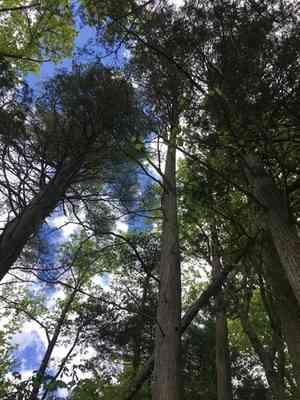
The optimal period for relocating atlantic white cedar is from late spring to early summer, providing a combination of favorable warmth and adequate humidity for development. For successful transplantation, choose a location featuring moist, acidic earth, preserving atlantic white cedar's preference for marshy habitats. During the entire procedure, guarantee atlantic white cedar receives delicate handling to acclimate smoothly to its new setting.
What Preparations are Needed Before Transplanting Atlantic White Cedar?
What is the Ideal Time for Transplanting Atlantic White Cedar?
The best time to move atlantic white cedar is in late spring. This period offers stable temperatures and ample moisture, providing atlantic white cedar with an ideal setting to gently re-establish its roots. Placing atlantic white cedar in its new spot at this time allows it to adapt before the peak of summer heat, promoting strong growth. At this point, the soil is warm enough for root development, yet the mild weather reduces plant stress. Undertake this timely transplant and you'll be rewarded with a vibrant atlantic white cedar.
How Much Space Should You Leave Between Atlantic White Cedar Plants?
For atlantic white cedar, it's best to allow ample room for development. Aim for a spacing of approximately 6-8 feet (1.8-2.4 meters) between each plant. This will provide them with sufficient area to fully mature and spread their branches comfortably. It's a straightforward task, so no need to worry!
What is the Best Soil Mix for Atlantic White Cedar Transplanting?
Atlantic white cedar prefers well-drained soil, rich in organic matter. So, begin by incorporating some compost or aged manure into the soil. This serves as a foundational fertilizer, boosting soil fertility and improving plant health. It's like cooking; quality ingredients lead to a delicious meal.
Where Should You Relocate Your Atlantic White Cedar?
Have you found a sunny or partially shaded location for your atlantic white cedar in your garden yet? If not, ensure you do. This plant enjoys some sun but also tolerates a bit of shade. Much like enjoying a sunny day while relaxing under a tree for shade!
What Equipments Should You Prepare Before Transplantation Atlantic White Cedar?
Gardening Gloves
These will safeguard your hands from any cuts or abrasions during the transplanting process.
Shovel or Spade
This tool will be used to excavate the atlantic white cedar from its original spot and create a new hole at the destination.
Garden Hose or Watering Can
To moisten the soil before and after the transplant to ease digging and help the plant settle in its new location.
Shears or Pruning Scissors
To trim any damaged or dead branches that might hinder the successful transplanting of the atlantic white cedar.
Wheelbarrow or Garden Cart
To assist in moving the atlantic white cedar from its initial position to the new transplanting area.
Cloth or Burlap
To wrap the root ball during transport to prevent the roots from drying out.
How Do You Remove Atlantic White Cedar from the Soil?
How Do You Remove Atlantic White Cedar from the Soil?
From Ground: Start by watering the atlantic white cedar plant to soften the soil, making removal easier. Then, dig a wide trench around the plant with your shovel or spade, being careful not to harm the roots. Once you've dug sufficiently deep, gently lift the plant from its original spot. Wrap the root ball in cloth or burlap to prevent it from drying out during transport.From Pot: Water the atlantic white cedar thoroughly to help release the roots from the pot. Invert the pot while gently pulling the plant out by its stem. If it's particularly stubborn, you might need to tap the sides of the pot to loosen it. Keep the plant correctly oriented and handle with care to avoid damage.From Seedling Tray: To transplant seedlings, water them first to facilitate their removal from their compartment. Carefully lift them out using a spoon or your fingers, ensuring you get as much of their roots as possible.
Step-by-Step Guide for Transplanting Atlantic White Cedar
Surface Preparation
Once the new site is ready, dig a hole that is twice as wide and the same depth as the atlantic white cedar's root ball. Ensure the hole's sides are loose to encourage root spread.
Placement
Gently position the atlantic white cedar in the hole, making sure it's neither too deep nor too shallow. The top of the root ball should be level with the ground surface.
Finalizing Transplant
Backfill the hole with the original soil, gently firming it around the roots. Avoid using rocks or uncomposted material as this could harm the roots.
Watering
Thoroughly water the atlantic white cedar immediately after transplanting to help the roots settle and minimize transplant shock.
Pruning
This is optional, but consider trimming any damaged branches to help the atlantic white cedar focus its energy on developing new roots.
How Do You Care For Atlantic White Cedar After Transplanting?
Watering
For the initial few weeks after transplanting the atlantic white cedar, ensure you water it deeply and thoroughly, especially in dry conditions. The soil should consistently feel moist, but not waterlogged.
Protection
Shield your newly planted atlantic white cedar from strong winds and direct sun for a couple of weeks until it establishes itself. You can use tree wraps or shade cloth for this purpose.
Maintenance
Regularly inspect the atlantic white cedar for any indications of disease or pest infestation. If you notice anything, take appropriate measures based on the identified issue.
Fertilizer
Do not fertilize immediately after transplanting; wait a few weeks for the atlantic white cedar to become established in its new location first. Then apply a suitable slow-release fertilizer.
Troubleshooting Common Issues with Atlantic White Cedar Transplantation.
When is the best time to transplant atlantic white cedar?
The ideal period to transplant atlantic white cedar is during the latter half of its growth cycle, typically from late spring to early fall (S2-S4).
Whatâs the perfect distance between each atlantic white cedar when planting?
To ensure healthy growth and development, space each atlantic white cedar 6-8 feet apart (approximately 1.8-2.4 meters). This provides ample room for root and canopy expansion.
Why does my atlantic white cedar look wilted after transplanting?
Transplant shock, often indicated by wilting, can occur. Ensure adequate watering and avoid direct sunlight immediately after transplanting to reduce shock.
How much should I water the atlantic white cedar after transplanting?
Maintain consistently moist soil without over-saturating your atlantic white cedar. Adjust watering based on weather conditionsâmore in hot weather, less when cooler.
How deep should I dig to transplant atlantic white cedar?
When transplanting atlantic white cedar, dig a hole twice as wide as the root ball and as deep as its height. This aids in proper root establishment.
Should I add fertilizer while transplanting atlantic white cedar?
Yes, a slow-release all-purpose fertilizer can promote root growth and plant health. However, avoid high nitrogen fertilizers, as they may damage the roots.
Why are the leaves of my atlantic white cedar turning yellow after transplanting?
Yellow leaves might indicate overwatering or a nutrient deficiency. Adjust your watering schedule and consider applying a balanced slow-release fertilizer.
What should I do if the atlantic white cedar doesnât grow after transplanting?
Ensure it receives consistent moisture, moderate sunlight, and fertile soil. If growth remains stunted, it might be struggling with disease or pests.
Can I transplant atlantic white cedar in a pot?
Yes, atlantic white cedar can thrive in a pot. Ensure the pot has adequate drainage and is large enough to support its mature size of 6-8 feet (1.8-2.4 meters).
Should I prune atlantic white cedar before or after transplanting?
Prune atlantic white cedar after transplanting to help it focus on root establishment. Remove only dead, diseased, or excessively long branches, keeping pruning to a minimum.



