How to Transplant Sawara cypress?
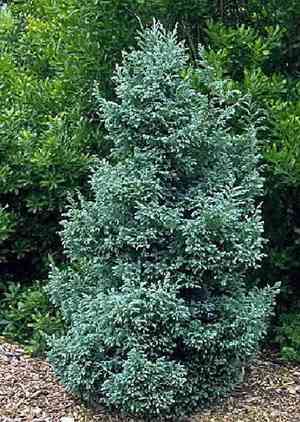
For sawara cypress, the ideal period for relocation is the balmy early to mid-summer, which aids in root development. Choose a location featuring adequately draining earth and dappled sunlight. Maintain the root mass's moisture and shield it from harsh temperatures to guarantee successful adaptation.
Essential Preparations Before Relocating Sawara Cypress
Optimal Period for Transplanting Sawara Cypress
The prime period for moving sawara cypress falls between early and mid-summer. This timeframe provides an excellent balance of warm soil and moderate weather, allowing roots to establish without the stress of temperature extremes. Warmer soil aids rapid root development, while gentler summer sunlight encourages growth without scorching young leaves. Selecting this favorable season gives sawara cypress the best possible start in its new spot, promoting vigorous growth and smooth adaptation.
Recommended Spacing Between Sawara Cypress Plants
When planning the layout for sawara cypress, ensure ample spacing. Aim for a distance of approximately 5-7 feet (1.5-2.1 meters) between each plant. This generous spacing will allow them sufficient room to expand their branches as they mature, fostering healthier plants.
Ideal Soil Mixture for Sawara Cypress Transplantation
Preparing the planting site for sawara cypress begins with selecting the right soil and nutrients. This plant thrives in well-drained, fertile soils. Incorporate a base fertilizer rich in organic matter to enrich the soil. This will provide sawara cypress with the best foundation in its new environment.
Preferred Location for Your Sawara Cypress
Regarding placement, sawara cypress prefers a location with full sun to partial shade. While it can endure direct sunlight, it should be shielded from intense afternoon rays. A spot with dappled sunlight or light shade is ideal.
Equipment Needed Before Transplanting Sawara Cypress
Gardening Gloves
It's vital to protect your hands from potential dirt or sharp objects in the soil.
Garden Trowel or Shovel
You will need this tool to excavate a suitably sized hole in the new planting area.
Pruning Shears
Pruners will be useful for removing any weak or dead branches from the plant during the transplanting process.
Watering Can
This will be necessary for hydrating the plant after it has been transplanted.
Wheeled Plant Dolly
If sawara cypress is already substantial in size and weight, a plant dolly will assist with its relocation.
Method for Removing Sawara Cypress from the Soil
Method for Removing Sawara Cypress from the Soil
From Ground: Begin by watering sawara cypress to loosen the surrounding soil. Next, dig a wide trench around it using your trowel or shovel, ensuring its root ball remains intact. Once complete, work your tool beneath the root ball and carefully lift the plant from the ground.From Pot: Water sawara cypress and gently tilt the pot to its side. Using your other hand, carefully pull the base of the plant to help it slide out. If the plant is resistant, you may need to run a knife along the inside edge of the pot.From Seedling Tray: Water sawara cypress, and using a spoon or a similar-sized utensil, carefully scoop out the seedling, taking care to avoid damaging its delicate roots.
Step-by-Step Guide for Transplanting Sawara Cypress
Excavating the Hole
Based on the size of sawara cypress's root ball, dig a hole that is twice as wide and equally deep. Ensure the plant will sit at the same level as the soil surface.
Positioning the Plant
Carefully lower sawara cypress into the center of the hole. Confirm that the plant is standing upright. You might require assistance from another person to do this correctly.
Backfilling
Gradually refill the hole with the original soil. Gently pat the soil around the base of sawara cypress to ensure it is firmly settled and free of air pockets.
Watering
Water sawara cypress generously immediately after transplanting. This will help further settle the soil around the root ball.
Post-Transplantation Care for Sawara Cypress
Monitoring
For the initial few weeks, consistently observe sawara cypress to confirm its successful adaptation to the new location. Check its leaves for any indications of wilting or browning.
Watering
Maintain consistent soil moisture, but ensure it never becomes waterlogged. Excessive watering can lead to root rot issues.
Pruning
This should only be performed several months after transplanting. This allows sawara cypress to concentrate solely on developing new roots in its new environment. Pruning merely helps maintain a balanced shape.
Addressing Common Issues with Sawara Cypress Transplantation.
When is the best time to transplant sawara cypress?
The optimal period for transplanting sawara cypress is during late fall to early winter.
What is the perfect spacing for sawara cypress when transplanting?
When transplanting sawara cypress, ensure each plant is spaced between 5-7 feet (1.5-2.1 meters) apart.
What type of soil is best for sawara cypress when transplanting?
Sawara cypress thrives best in well-drained, slightly acidic soil. Ensure the site is not waterlogged.
What's the best way to prepare the planting site for sawara cypress?
Clear weeds and debris from the area. Dig a hole twice the width of the root ball and equally deep.
How deeply should I plant sawara cypress?
The top of sawara cypress's root ball should be flush with or slightly above the ground's surface.
How much water does sawara cypress need after transplanting?
Sawara cypress requires thorough watering after transplanting. Water it weekly for the first season, unless there is ample rainfall.
Should I use fertilizer when transplanting sawara cypress?
Yes, use a slow-release fertilizer. Incorporate it into the backfill soil to encourage healthy growth.
What should I do if the leaves of sawara cypress turn brown after transplanting?
If sawara cypress's leaves turn brown, it might be receiving too much sun or insufficient water. Adjust conditions as needed.
How do I protect transplanted sawara cypress in harsh winter?
Cover sawara cypress with a breathable burlap wrap during extreme winter conditions. This will shield it from wind and snow.
Can sawara cypress be transplanted into a container?
Yes, sawara cypress can flourish in a container. Ensure the container is large enough to accommodate its growth.



