How to Transplant Flowering quince?
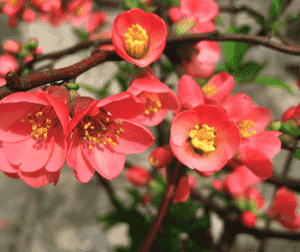
The most favorable period for relocating flowering quince is the revitalizing season following winter, since warmer ground promotes root development. Select a location that receives full sun to partial shade and has soil that drains effectively. Carefully acclimate flowering quince to its new environment to guarantee successful integration.
What Preparations are Needed Before Transplanting Flowering Quince?
What is the Ideal Time for Transplanting Flowering Quince?
The perfect time to move flowering quince to a new spot is during early spring. This allows for strong root development before the summer heat. Transplanting flowering quince at this time ensures they benefit from moist, cool soil, which encourages root growth without the stress of high temperatures. Moving these perennials during this favorable period promotes a smooth transition, setting them up for abundant blooms in future seasons. Choosing this optimal moment to transplant flowering quince provides a nurturing environment for their delicate roots, boosting their health and resilience.
How Much Space Should You Leave Between Flowering Quince Plants?
When preparing to transplant your flowering quince, ensure each plant is spaced approximately 4-5 feet (1.2-1.5 meters) apart. This is crucial as flowering quince requires ample room to grow and thrive.
What is the Best Soil Mix for Flowering Quince Transplanting?
Flowering quince will flourish best in soil that drains well and is rich in organic material. Before transplanting, enrich the soil with a foundational fertilizer to promote vigorous growth. If uncertain, a general-purpose garden fertilizer should suffice.
Where Should You Relocate Your Flowering Quince?
Your flowering quince would appreciate a location where it can receive full sun to partial shade. Remember, it needs at least 6 hours of sunlight daily to produce beautiful blooms. Select a site that meets this requirement before transplanting, and your flowering quince will reward you with vibrant flowers.
What Equipments Should You Prepare Before Transplantation Flowering Quince?
Gardening Gloves
To safeguard your hands while digging and handling the plant.
Spade or Shovel
Essential for excavating around the plant to extract it from its initial position.
Garden Trowel
Needed for precisely shaping the new hole where flowering quince will be placed.
Buckets or Wheelbarrow
For transporting flowering quince from its original spot to the new location.
Pruning Shears
Required to trim roots if they show signs of disease or death.
Gardening Fork
Aids in loosening the soil at the new planting site.
Watering Can
For hydrating the plant before and after the transplanting process.
How Do You Remove Flowering Quince from the Soil?
How Do You Remove Flowering Quince from the Soil?
From Ground: Before extracting flowering quince from its current spot, gently water the plant to slightly moisten the area. Proceed by digging a wide circle around the plant with a spade or shovel, being careful not to harm the root ball. Carefully work the spade beneath the root ball and gently lift flowering quince from its original position.From Pot: Water the potted flowering quince plant moderately to ensure the root ball stays intact. Tip the pot sideways and apply gentle pressure to the sides to loosen the soil. Carefully pull the plant out, trying to keep as many roots intact, especially the root ball.From Seedling Tray: Lightly water the seedling tray to dampen the soil. Carefully lift the flowering quince plant, holding it by a leaf, not the stem. Gently pull the plant free, disturbing the roots as little as possible.
Step-by-Step Guide for Transplanting Flowering Quince
Preparation
Prepare the new site for flowering quince by first loosening the soil with a gardening fork. The hole should be the same depth and twice the width as the root ball of flowering quince.
Inspection
Examine the roots of flowering quince for any indications of damage or illness. Use pruning shears to remove any unhealthy roots, ensuring not to cause excessive harm to the root ball.
Placement
Position flowering quince in the prepared hole, making sure the top of the root ball is level with the ground surface.
Backfill
Refill the hole with the loosened soil, gently firming it around the base of flowering quince. Avoid compacting it too tightly, as roots require oxygen to survive.
Watering
Thoroughly water flowering quince after transplanting to help settle the soil and eliminate any air pockets around the roots.
How Do You Care For Flowering Quince After Transplanting?
Regular Watering
Keep the soil around flowering quince consistently moist but not waterlogged to encourage new root development.
Pruning
Trim any broken or diseased branches to redirect flowering quince's energy towards root establishment and to maintain a balanced form.
Monitoring
Watch for any signs of transplant shock, such as leaf drop or yellowing, and respond accordingly by adjusting watering practices or seeking advice from a gardening expert.
Troubleshooting Common Issues with Flowering Quince Transplantation.
When's the best time to transplant flowering quince?
The optimal period to relocate flowering quince is between late fall and early spring (S1-S3). During this time, the plant is dormant and best equipped to handle the move.
How should I prepare the new location for flowering quince before transplanting?
Soil preparation is crucial. Amend the soil with compost, ensuring it is rich and drains well. The hole should be about twice as wide and equal in depth to the root ball of flowering quince.
What's the proper spacing for planting flowering quince?
After preparing the hole, ensure a spacing of 4-5 feet (approximately 1.2-1.5 meters) between each flowering quince. This will allow each plant to grow properly without competing for nutrients.
Can flowering quince be transplanted in mid-summer or winter?
It is not recommended to transplant flowering quince in mid-summer or winter. Temperature fluctuations and potential soil dryness or freezing can stress the plant and reduce its survival rate.
How deep should I plant flowering quince after transplanting?
Plant flowering quince at the same depth it was growing in its original spot. Planting too deep can cause stem rot; too shallow, and the roots will dry out.
How much water does flowering quince need immediately after transplanting?
Water flowering quince deeply right after transplanting to settle the soil around its roots. Maintain consistent moisture without overwatering, as soggy soil can lead to root rot.
What care does flowering quince require after being transplanted?
After transplanting, flowering quince needs regular but moderate watering, and may benefit from additional feeding with a slow-release fertilizer. Monitoring for pests and diseases is also advised.
Should I prune flowering quince after transplanting?
Pruning is not necessary immediately after transplanting; it could add extra stress to flowering quince. However, you can remove dead or damaged branches to encourage healthy growth.
How to handle flowering quince during the transplanting?
Handle flowering quince gently throughout the process. Avoid damaging the main stem, and be careful not to break too many roots when removing the plant from its original pot or ground.
What if the transplanted flowering quince shows signs of stress, like yellowing leaves or drooping?
If flowering quince exhibits signs of stress, slightly increase watering frequency and ensure the plant receives adequate sunlight. If there's no improvement, consult a horticulturist or local extension service.



