How to Transplant Japanese flowering quince?
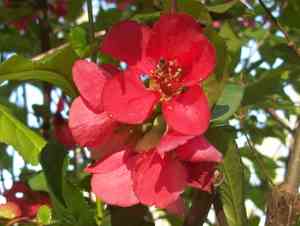
The ideal period for relocating japanese flowering quince is as winter recedes and fresh development commences, throughout the initial spring season. Select a spot with partial shade and soil that drains effectively, and ensure the recently moved japanese flowering quince receives ample hydration while it settles.
Essential Preparations Before Relocating Japanese Flowering Quince?
Optimal Timing for Moving Japanese Flowering Quince?
Early spring, specifically the initial blooming period, is perfect for relocating japanese flowering quince. This timing allows japanese flowering quince ample opportunity to establish its root system prior to summer. Transplanting at this stage also provides japanese flowering quince a head start, enabling it to fully benefit from the upcoming growing season, resulting in abundant, healthy blossoms. Successfully moving japanese flowering quince during this season ensures a beautiful display of flowers in your garden.
Required Spacing Between Japanese Flowering Quince Plants?
To ensure sufficient room for development, position japanese flowering quince plants approximately 6-10 feet (1.8-3 meters) apart. This will provide ample space for the plants to expand and mature, fostering robust and vibrant blooms.
Best Soil Mixture for Japanese Flowering Quince Relocation?
For a thriving japanese flowering quince, prepare a well-draining soil blend, enriched with organic matter and a slow-release, balanced fertilizer (e.g., 10-10-10). This will supply vital nutrients for developing strong roots and supporting flowering.
Where to Replant Your Japanese Flowering Quince?
Select a site where your japanese flowering quince will receive full sun to partial shade. The ideal spot will provide direct sunlight for at least 4-6 hours daily to ensure prolific blooms and vigorous growth.
Necessary Equipment Before Transplanting Japanese Flowering Quince?
Gardening Gloves
These will safeguard your hands from dirt and any potential thorns on the japanese flowering quince plant.
Spade or Shovel
You'll need this tool to excavate the plant's root ball from its original spot and to dig a new hole at the destination.
Wheelbarrow or Large Bucket
This is for moving the plant from its initial location to its new one without causing damage.
Pruning Shears
These are essential for trimming the roots and branches of the japanese flowering quince plant if needed.
Garden Hose or Watering Can
You'll require this to thoroughly hydrate the plant before and after its relocation.
How to Extract Japanese Flowering Quince from the Ground?
How to Extract Japanese Flowering Quince from the Ground?
From Ground: First, ensure the soil around the japanese flowering quince plant is moist by watering it a few hours before the move. Use a shovel or spade to dig a circle around the plant, wide enough to encompass all the roots. Be careful not to harm the root system during this process. Once fully loosened, gently lift the plant and its root ball from the ground and place it in the wheelbarrow or bucket.From Pot: Water the japanese flowering quince plant a few hours before transplanting. Tilt the pot sideways, tap it gently to loosen the soil and root ball. Gradually slide the plant out while supporting its base. If the plant is difficult to remove, try watering it a bit more to moisten the soil.From Seedling Tray: Water the tray first. Hold the japanese flowering quince seedling at its base and gently pull it upwards. Carefully remove the plant along with its root ball, ensuring no damage to the roots.
Step-by-Step Guide for Relocating Japanese Flowering Quince
Dig a Hole
At the new site, excavate a hole that is twice the width and the same depth as the root ball of the japanese flowering quince plant.
Prepare the Plant
Inspect the root system of the japanese flowering quince, using pruning shears to remove any broken or damaged roots.
Plant Placement
Gently position the japanese flowering quince in the prepared hole. The top of the root ball should be level with the ground surface. Ensure the plant stands upright.
Backfill the Hole
Refill the hole with the previously excavated soil. While doing so, ensure there are no air pockets, as these can dry out the roots.
Water the Plant
Thoroughly water the plant after relocation to settle the soil around the root ball.
Post-Transplant Care for Japanese Flowering Quince?
Watering
The japanese flowering quince plant will require ample water after being moved. Ensure the soil remains consistently moist, but not waterlogged.
Pruning
Trim the branches of the japanese flowering quince one week after transplanting. This encourages new growth and aids the plant's recovery from transplant shock.
Monitoring
Keep a close watch on the japanese flowering quince plant, especially during its initial weeks. Look for signs of stress such as wilting or discoloration, which may indicate poor adaptation to its new environment.
Addressing Common Issues with Japanese Flowering Quince Relocation.
When is the best time to move the japanese flowering quince plant?
It's ideal to relocate japanese flowering quince in the crisp freshness of early spring.
What is the optimal spacing when moving japanese flowering quince plants?
When planting, allow each japanese flowering quince a comfortable space of 6-10 feet (1.8-3 meters) to thrive.
What if the japanese flowering quince plant isn't blooming after being moved?
Patience is key! Sometimes after relocation, japanese flowering quince may take time to adjust and bloom. Maintain ideal conditions, and it will recover.
What soil type is suitable for japanese flowering quince's relocation?
Japanese flowering quince prefers well-drained soil. Enrich it with compost to maintain its fertility for a successful transplant.
How deep should I dig the hole for the japanese flowering quince plant?
A hole approximately twice as wide and similar in depth to the root ball of japanese flowering quince is ideal. This is about 10 inches (25 cm).
What should I do if the leaves of japanese flowering quince start to wilt after being moved?
Wilting might be due to transplant shock. Ensure adequate water, but avoid overwatering. With a little extra care, japanese flowering quince will perk up again!
Can I trim japanese flowering quince during its relocation?
Giving japanese flowering quince a light trim, removing any damaged or unnecessary branches, can help reduce transplant shock and promote growth.
What if the roots of my japanese flowering quince plant are too large or tangled?
If roots are extensive or intertwined, gently trim them before planting japanese flowering quince. This aids in replanting and root development.
How to manage pests or diseases after relocating japanese flowering quince?
Regularly check for signs of pests or disease. Treat promptly with organic insecticides or fungicides, but avoid chemical treatments on your freshly relocated japanese flowering quince.
How much water does japanese flowering quince need after being moved?
Japanese flowering quince requires consistent moisture post-relocation. Water generously initially, then maintain damp soil. However, remember that overwatering is detrimental.



