How to Transplant Cathay quince?
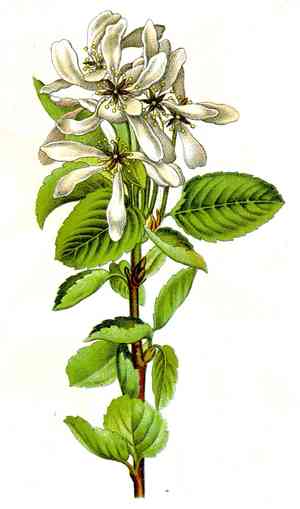
For cathay quince, the ideal period for transplanting is from mid to late spring, as new development commences. Select a site offering full sun to partial shade with soil that drains effectively. Should it be necessary, enrich the new location with compost to facilitate a smooth adjustment.
What Preparations are Needed Before Transplanting Cathay Quince?
What is the Ideal Time for Transplanting Cathay Quince?
The best time to move cathay quince is from the gentle warmth of mid-spring to the early growth period of late spring. This window offers cathay quince the greatest chance for a smooth transition, utilizing mild temperatures and increased daylight to foster strong root development before summer's full intensity. It's a perfect moment when soil moisture levels are typically ample yet consistent, lessening transplant shock and boosting the plant's resilience. By transplanting cathay quince during this optimal period, you provide the nurturing conditions needed for vigorous growth, ensuring your perennial thrives in its new spot.
How Much Space Should You Leave Between Cathay Quince Plants?
When relocating your cathay quince, aim for ample room where each plant can thrive. Position them approximately 4-5 feet (1.2-1.5 meters) apart to allow for proper development and air circulation.
What is the Best Soil Mix for Cathay Quince Transplanting?
Ensure your cathay quince gets a healthy start by preparing the soil with a rich, well-draining mixture. Incorporate a balanced, slow-release fertilizer to nourish your plant as it settles into its new location.
Where Should You Relocate Your Cathay Quince?
Select a site for your cathay quince that receives abundant sunlight, as full sun promotes optimal growth. A spot that gets at least 6 hours of direct sunlight daily would be perfect for your perennial companion.
What Equipments Should You Prepare Before Transplantation Cathay Quince?
Gardening Gloves
To shield your hands while handling soil and plants.
Shovel or Spade
For excavating the plant and digging the new hole for relocation.
Hand Trowel
Useful for detailed tasks or when moving a smaller cathay quince specimen.
Watering Can or Hose
To hydrate the plant before and after removal, and to keep the soil moist post-transplant.
Wheelbarrow or Garden Cart
For moving the plant and soil if necessary.
Pruning Shears
To trim any damaged roots or branches prior to transplanting.
Measuring Tape
To assist in spacing the plants at the correct distance.
Stakes or Plant Supports
To prop up the plant if it's large or has heavy top growth.
Mulch
To help retain soil moisture after the transplant.
How Do You Remove Cathay Quince from the Soil?
How Do You Remove Cathay Quince from the Soil?
From Ground: Water the cathay quince thoroughly to make the soil easier to manage. Use a shovel or spade to dig a wide circle around the plant, being careful not to disturb the root ball. Gently pry underneath to lift the root ball from the ground.From Pot: Begin by watering the cathay quince to dampen the soil, making it simpler to slide out. Tilt the pot on its side and tap the bottom to loosen the root ball. Grasp the plant's base and carefully pull it out.From Seedling Tray: Moisten the soil before attempting to extract the seedling. Use a hand trowel or a spoon to scoop out the seedling with its surrounding soil, ensuring no damage to the roots occurs.
Step-by-Step Guide for Transplanting Cathay Quince
Preparation
Water the cathay quince thoroughly before beginning. This ensures the plant is hydrated and the soil adheres to the roots.
Digging Hole
Excavate a hole in the new spot that is twice as wide and the same depth as the root ball. Clear any debris or stones from the hole.
Plant Placement
Position the plant in the center of the hole, ensuring it stands upright. The top of the root ball should be level with the surrounding soil surface.
Soil Backfill
Refill the hole with soil, gently compacting it without over-compressing, to eliminate air pockets.
Watering
Water the cathay quince deeply to settle the soil around the roots and help reduce transplant shock.
Staking
If the cathay quince is large, provide support with stakes or plant supports to offer stability as the roots establish.
Mulching
Apply a layer of mulch around the plant's base to help retain moisture, being careful not to pile mulch against the stem or trunk.
How Do You Care For Cathay Quince After Transplanting?
Watering
Ensure the soil around the cathay quince remains consistently moist, especially in the initial weeks following the transplant to aid root establishment.
Pruning
Trim any broken or damaged branches to direct the plant's energy towards root development.
Monitoring
Observe the plant for signs of stress, such as wilting or discoloration, and adjust care as needed.
Stabilizing
Check the stakes and adjust if necessary to prevent rubbing and damage to the stem or branches.
Troubleshooting Common Issues with Cathay Quince Transplantation.
When's the best time to transplant cathay quince?
The ideal time is from mid to late spring, when the soil is warm and manageable.
How far apart should I plant cathay quince?
Space cathay quince appropriately at 4-5 feet (1.2-1.5 meters) apart to ensure proper growth and air circulation.
How deep should the hole be for transplanting cathay quince?
Dig a hole twice the width and the same depth as the root ball to encourage spreading.
What should I do if cathay quince wilts after transplanting?
Ensure sufficient watering without over-saturating and provide shade if exposed to intense sunlight.
Why are cathay quince's leaves turning yellow post-transplant?
Yellow leaves might indicate shock or over-watering. Reduce water and allow for acclimatization.
How much should I water cathay quince after transplanting?
Water deeply to hydrate roots but allow soil to dry between sessions, avoiding over-watering.
Should I fertilize cathay quince when transplanting?
Wait 4-6 weeks before fertilizing to avoid burning the roots and stressing cathay quince.
What type of soil is best for transplanting cathay quince?
Use well-draining soil enriched with organic matter to provide a nutrient-rich environment for cathay quince.
How to protect cathay quince after transplanting?
Mulch around the base to conserve moisture, regulate temperature, and reduce weed competition.
My cathay quince is not flowering after transplanting, why?
It may be due to transplant shock. Give it time to recover, and ensure proper care.



