How to Transplant Chilean cestrum?
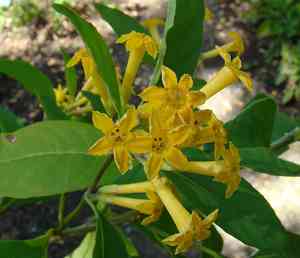
The ideal period for transplanting chilean cestrum is in the early spring, as the garden begins to flourish. Select a location bathed in sunlight with soil that drains effectively to facilitate a smooth adjustment. Maintaining consistent soil moisture and preserving the root ball will aid chilean cestrum in establishing itself.
What Preparations are Needed Before Transplanting Chilean Cestrum?
What is the Ideal Time for Transplanting Chilean Cestrum?
The best time to move chilean cestrum is during spring's initial stages, extending through its peak. This period allows chilean cestrum a smooth shift from dormancy to vigorous development, making it the prime window for relocation. Choosing this timeframe ensures chilean cestrum gets a head start to establish itself before summer's intense heat. Transplant now and observe chilean cestrum thrive with strength and resilience.
How Much Space Should You Leave Between Chilean Cestrum Plants?
Greetings! When rehousing your chilean cestrum, ensure they are spaced approximately 4-6 feet (1.2-1.8 meters) apart. This provides ample room for robust growth without competition for nutrients and sunlight.
What is the Best Soil Mix for Chilean Cestrum Transplanting?
Your chilean cestrum will flourish in soil that drains effectively. Prior to transplanting, enrich the soil with a balanced, slow-release fertilizer to give them an optimal start. Aim for a pH that is neutral to slightly alkaline. Happy planting!
Where Should You Relocate Your Chilean Cestrum?
Your chilean cestrum will thrive in a location with abundant sunlight. Target a spot that receives at least 6 hours of direct sun daily. Some afternoon shade is acceptable, particularly in warmer climates. Let the sunshine in!
What Equipments Should You Prepare Before Transplantation Chilean Cestrum?
Gardening Gloves
To safeguard your hands while handling soil and plants.
Shovel or Spade
For excavating the chilean cestrum from its original spot without harming the root ball.
Garden Fork
To loosen the soil around the plant for easier extraction.
Pruning Shears
To trim any dead or excess growth before relocation.
Wheelbarrow or Garden Cart
To effortlessly transport the chilean cestrum and its soil to the new site.
Watering Can or Hose
To hydrate the chilean cestrum before and after transplanting to lessen shock.
Tarp or Burlap
To hold the removed plant and its soil during transit.
How Do You Remove Chilean Cestrum from the Soil?
How Do You Remove Chilean Cestrum from the Soil?
From Ground: First, moisten the chilean cestrum plant's soil. Then, dig a wide circle around the plant using a shovel or spade, ensuring sufficient depth to preserve the root ball. Gently leverage the spade beneath the root ball to lift the plant from the ground.From Pot: Water the chilean cestrum thoroughly to facilitate removal. Tilt the pot and gently tap or press its sides to loosen the root ball. Carefully slide the chilean cestrum out, keeping as much soil around the roots as possible.From Seedling Tray: Dampen the soil in the tray to aid removal. Use a garden fork or small hand tool to gently lift the chilean cestrum from its cell or section, retaining as much soil around the roots as possible.
Step-by-Step Guide for Transplanting Chilean Cestrum
Preparation
Ensure all necessary tools listed above are ready. Don your gardening gloves and prepare the chilean cestrum for removal from its current spot.
Removal
Follow the specific removal procedure based on whether the chilean cestrum is from the ground, a pot, or a seedling tray. Be careful to keep the root ball and surrounding soil as undisturbed as possible.
Transportation
Once the chilean cestrum is removed, place it on a tarp or in a wheelbarrow. This helps prevent damage to the plant and root ball during its move to the new location.
Planting Hole
Dig a hole at the new site that is twice the width of the root ball and of equal depth, ensuring the chilean cestrum is not planted deeper than its original position.
Placing the Plant
Carefully position the chilean cestrum into the hole, centering it. Adjust its placement so it stands upright and at the same depth as before.
Filling the Hole
Backfill the hole around the chilean cestrum with soil, gently tamping it down to eliminate air pockets. Avoid compacting the soil too tightly as this can harm the roots.
Water Thoroughly
After planting, generously water the chilean cestrum to settle the soil around its roots and help minimize transplant shock.
How Do You Care For Chilean Cestrum After Transplanting?
Regular Watering
Maintain consistent moisture in the soil surrounding the chilean cestrum, especially during the initial weeks post-transplant. This aids the plant's establishment in its new environment.
Mulching
Apply a layer of mulch around the base of the chilean cestrum to help retain soil moisture and stabilize soil temperature.
Pruning
If needed, trim any damaged or broken branches to encourage new growth and maintain the chilean cestrum's form.
Monitoring
Regularly inspect the chilean cestrum for signs of stress, such as wilting leaves or lack of new growth, and address any issues promptly to ensure the plant's well-being.
Staking
If the chilean cestrum is tall or top-heavy, provide support with stakes to prevent wind damage or leaning as it settles.
Troubleshooting Common Issues with Chilean Cestrum Transplantation.
How do I know when it's the best time to transplant chilean cestrum?
The optimal transplanting period for chilean cestrum is during the peak growth phase of early to mid-spring.
How deep should I dig to transplant chilean cestrum?
Excavate a hole as deep as the root ball, but twice as wide, to promote growth.
What spacing is recommended between chilean cestrum plants when transplanting?
Space chilean cestrum plants at least 4-6 feet (1.2-1.8 meters) apart to allow them ample room to flourish.
Why are my chilean cestrum plants wilting after transplanting?
Wilting may be due to transplant shock. Maintain soil moisture and offer shade if the issue persists.
Can I trim chilean cestrum's roots before transplanting?
Only trim broken or excessively long roots to prevent damage and encourage healthy regrowth.
How do I ensure chilean cestrum plants don't dry out post-transplant?
Water chilean cestrum deeply after transplanting and consistently thereafter to keep the soil adequately moist.
What type of soil is best for transplanting chilean cestrum?
Utilize well-draining soil rich in organic matter to give chilean cestrum the best start in its new location.
How can I protect newly transplanted chilean cestrum from the cold?
Apply mulch around the base, without touching the stems, to insulate against sudden temperature drops.
Should I apply fertilizer after transplanting chilean cestrum?
Wait a few weeks before fertilizing to avoid burning the roots while they establish.
What sunlight conditions do chilean cestrum require after transplanting?
Provide chilean cestrum with full sun to partial shade, observing for signs of heat stress.



