How to Transplant Parachute plant?
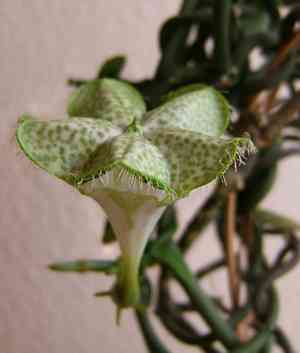
Relocate parachute plant during the prime period of spring, specifically from its middle to its latter stages, once active growth recommences. Choose a well-lit area with diffused illumination to foster root development. Careful manipulation aids in successful establishment within their new environment.
What Preparations are Needed Before Transplanting Parachute Plant?
What is the Ideal Time for Transplanting Parachute Plant?
The optimal period to relocate parachute plant is during the vigorous resurgence of late spring. This season provides a mild environment, allowing parachute plant to establish its root system prior to summer's heat. Moving parachute plant at this time ensures it benefits from the full vitality of the growing season, promoting strong development and a smooth integration into your garden's ecosystem.
How Much Space Should You Leave Between Parachute Plant Plants?
Greetings! For your parachute plant, you'll want to provide ample room for each specimen to thrive. Aim for a spacing of approximately 8-12 inches (20-30 cm) between plants. This helps ensure sufficient area for growth and proper air circulation.
What is the Best Soil Mix for Parachute Plant Transplanting?
A solid foundation is crucial! Your parachute plant will flourish in soil that drains well and is loamy. Incorporate some organic compost to give them an excellent start. A mild, balanced, slow-release fertilizer will prepare the ground for vigorous growth.
Where Should You Relocate Your Parachute Plant?
Locating the perfect sunny spot is vital! Your parachute plant loves bright, indirect sunlight. Choose a site that receives partial shade, especially protected from the intense midday sun, to keep your parachute plant content and healthy.
What Equipments Should You Prepare Before Transplantation Parachute Plant?
Gardening Gloves
To safeguard your hands while handling soil and plants.
Shovel or Spade
To excavate the plant from its original location without harming the root ball.
Hand Trowel
For more precise tasks or minor adjustments during transplanting.
Garden Fork
To loosen the soil around the root ball, facilitating easier removal.
Watering Can or Hose
To hydrate the plant after its relocation.
Pruning Shears
To trim any damaged roots or foliage.
Measuring Tape
To determine the appropriate depth and width for the new planting hole.
Wheelbarrow or Garden Cart
To transport the plant and soil if necessary.
How Do You Remove Parachute Plant from the Soil?
How Do You Remove Parachute Plant from the Soil?
From Ground: First, thoroughly water the parachute plant to hydrate the soil, making excavation easier. Use a shovel or spade to create a circular trench around the plant, ensuring a generous distance from the base to avoid severing the root system. Gradually loosen the earth beneath until you can gently lift out the root ball.From Pot: Begin by watering the parachute plant to moisten the root ball. Turn the pot on its side and gently tap it to loosen its grip. You might need to slide a hand trowel around the edge to help release the roots. Hold the plant's base and carefully ease it out, supporting the root ball.From Seedling Tray: Water the seedlings to ensure root hydration. Use a spoon or a dibber to gently extract each seedling, taking care not to damage the roots. Grasp the seedling by its leaves rather than the stem to prevent injury.
Step-by-Step Guide for Transplanting Parachute Plant
Preparation
Ensure all tools are clean and ready for use, and the new planting site is prepared for the parachute plant's arrival.
Root Ball Care
Water the parachute plant and loosen the soil around it. Use a garden fork to carefully lift the root ball from the ground, retaining as much of the original soil as possible.
Hole Digging
Excavate a hole in the new location that is twice the width of the root ball and of equal depth. A measuring tape can assist in determining the correct dimensions.
Plant Positioning
Carefully place the parachute plant in the center of the hole. Adjust the plant so it stands upright and at the same depth it was originally grown.
Soil Replacement
Backfill the hole with the soil that was initially removed, gently firming it around the root ball. Avoid compacting the soil too much, as this can reduce essential air space for roots.
Watering
Water the parachute plant generously to settle the soil around its roots. Using a watering can or hose, ensure even moisture distribution without causing erosion.
Post-Transplant Care
Follow the specific care guidelines outlined next to ensure the plant's successful adaptation to its new environment.
How Do You Care For Parachute Plant After Transplanting?
Initial Watering
Thoroughly water your parachute plant immediately after transplanting to help minimize transplant shock and settle the soil.
Root Establishment
Monitor soil moisture frequently, especially during the initial weeks, to encourage root growth without overwatering.
Pruning
Trim away any visibly damaged or broken roots or stems with pruning shears just before planting.
Mulching
Apply a layer of mulch around the base of the parachute plant to retain moisture and regulate soil temperature, but avoid placing it directly against the stem to prevent rot.
Monitoring
Keep a close watch on your parachute plant for signs of stress such as wilting leaves or discoloration and address any issues promptly.
Troubleshooting Common Issues with Parachute Plant Transplantation.
What's the ideal time to move parachute plant outdoors?
The optimal period for transplanting parachute plant is from mid to late spring, ensuring ideal growth conditions.
How far apart should I plant parachute plant for healthy growth?
Space parachute plant approximately 8-12 inches (20-30 cm) apart. Proper spacing allows for adequate air circulation and growth.
Why are my parachute plant's roots rotting after transplanting?
Root rot can occur if parachute plant is waterlogged. Ensure well-draining soil and avoid overwatering after transplanting.
How much sun does parachute plant need post-transplant?
Parachute plant thrives in bright, indirect sunlight. Too much direct sun immediately after transplanting can cause stress.
What soil type is best when transplanting parachute plant?
Use a mix rich in organic matter and well-draining to support parachute plant's root health during transplant.
How deep should the hole be when transplanting parachute plant?
Dig a hole twice the size of parachute plant's root ball. This provides ample room for roots to establish.
How do I know if parachute plant is ready for a transplant?
When parachute plant's growth slows or roots emerge from the drainage holes, it's prepared for a new location.
Can I fertilize parachute plant immediately after transplanting?
Wait a few weeks before fertilizing. Allow parachute plant to settle into its new spot and recover from the move.
Should I prune parachute plant during transplant?
Gentle pruning of dead or damaged parts can help parachute plant focus energy on establishing new roots.
What watering regimen should follow after transplanting parachute plant?
Parachute plant requires consistent moisture but avoid soggy soil. Water when the topsoil feels dry to the touch.



