How to Transplant Blue cereus?
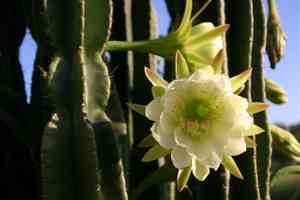
The optimal period for transplanting blue cereus is during the pleasant warmth of early to mid-summer, guaranteeing vigorous development. A location offering abundant sunshine and effective drainage fulfills the requirements of blue cereus. Careful management of the root system during relocation facilitates a smooth adjustment.
What Preparations are Needed Before Transplanting Blue Cereus?
What is the Ideal Time for Transplanting Blue Cereus?
The best time to move blue cereus is during early to mid-summer. This period provides blue cereus with extended daylight and warm temperatures, encouraging strong root development. Relocating blue cereus at this time aids in faster recovery, ensuring the plant adapts well to its new spot without harsh weather stress. Prepare your garden for blue cereus by enriching the soil with nutrients to support its new growth phase. Selecting this optimal timing will give blue cereus the best start in its new home.
How Much Space Should You Leave Between Blue Cereus Plants?
When relocating your blue cereus, it's advisable to position each plant 2-3 feet (60-90 cm) apart. This provides ample room for them to expand without overcrowding. This spacing guarantees that each plant receives sufficient light, water, and nutrients for healthy growth.
What is the Best Soil Mix for Blue Cereus Transplanting?
The soil for blue cereus should be fertile, well-draining, and balanced. Enhance your garden soil by adding compost or other organic materials to boost its fertility. A small amount of balanced, all-purpose fertilizer at the base before transplanting can supply initial nutrients.
Where Should You Relocate Your Blue Cereus?
Your blue cereus will thrive in a sunny location receiving at least 6-8 hours of sunlight daily. It enjoys warmth, so select a spot that gets sun during the hottest parts of the day. However, some afternoon shade will not harm it, especially in warmer climates.
What Equipments Should You Prepare Before Transplantation Blue Cereus?
Shovel
Used for excavating the blue cereus plant without harming its roots in the ground.
Trowel
A smaller digging implement for creating a perfect opening to transplant the blue cereus.
Gardening gloves
To safeguard your hands while handling soil and the blue cereus plant.
Garden pruner or secateurs
These are useful for trimming any excess or dead parts of the blue cereus plant that might impede its growth after transplant.
Organic compost
To supply extra nutrients to the blue cereus plant during transplantation.
Watering can or hose
To hydrate the blue cereus plant after transplanting, encouraging growth and minimizing transplant shock.
Mulch
To apply after planting, reducing soil moisture loss, maintaining consistent soil temperature, and preventing weed growth.
How Do You Remove Blue Cereus from the Soil?
How Do You Remove Blue Cereus from the Soil?
From ground: First, moisten the blue cereus plant's soil. This will facilitate digging and reduce stress on the plant. Once the soil is soft, carefully dig around the plant, avoiding cutting into the root ball. Gradually work your shovel or garden fork beneath the plant, gently prying it up and out of the ground.From pot: Begin by lightly watering the plant in its container to lessen transplant stress. Turn the pot sideways, hold it gently, and tap the rim on a firm surface like a potting bench; this should loosen the root ball and allow the plant to slide out with minimal damage.From a seedling tray: Lightly water the tray before starting the removal process, as moist soil will adhere better to the roots, offering them greater protection. Carefully slide a trowel under the seedling, lifting it with ample soil around the roots to shield them. Handle the seedling by the root ball, not the stem.
Step-by-Step Guide for Transplanting Blue Cereus
Site Preparation
Start by preparing the transplant location. Dig a hole twice the width of the root ball and of the same depth. Add organic compost to the bottom of the hole to provide your blue cereus with a nutrient boost.
Planting
Place the blue cereus into the hole. Adjust the plant so the top of its root ball is level with or slightly above the surrounding soil. Ensure the plant is upright at this stage.
Backfilling
Fill in around the blue cereus with soil, gently firming it as you go. It's important not to compact the soil too much, as this could hinder root growth.
Watering
Water the blue cereus immediately after planting. This will help settle the soil and eliminate air pockets around the roots of your plant.
Mulching
Finally, spread a layer of mulch around the base of the plant. This will help retain moisture, preventing it from drying out too quickly.
How Do You Care For Blue Cereus After Transplanting?
Watering
Water the blue cereus thoroughly after transplanting. The soil around the transplanted plant should always be damp, but never waterlogged. The blue cereus may require more frequent watering immediately after being transplanted until it becomes established.
Pruning
Prune the blue cereus if it shows signs of wilting or if leaves begin to yellow. However, avoid excessive pruning right after transplanting, as the plant needs plenty of leaves to produce the food necessary for good root growth.
Weed control
Keep an eye out for weeds; they can steal the nutrients your blue cereus needs. Therefore, ensure you remove them as soon as you notice them.
Monitoring
Observe your blue cereus carefully for a few weeks after transplanting. Look for signs such as leaf yellowing, wilting, or browning at the edges, which may indicate your plant is under stress.
Troubleshooting Common Issues with Blue Cereus Transplantation.
When is the best season to transplant blue cereus?
Transplanting blue cereus typically yields the best outcomes in late summer to early fall, also known as the 'S4-S5' period.
How do you know if blue cereus needs transplanting?
When blue cereus appears crowded in its container or exhibits signs of declining health like reduced growth and yellow leaves, it might indicate a need for transplanting.
What type of soil should be used when transplanting blue cereus?
Well-draining soil rich in organic matter is most effective. If your soil is heavy clay, consider adding sand and compost to enhance its drainage and fertility.
How deep should the hole be when transplanting blue cereus?
Dig a hole that is twice the size of the root ball. This allows the roots to spread easily, promoting healthy development.
How much space should I leave between blue cereus when transplanting?
A spacing of 2-3 feet (60-90 cm) provides blue cereus ample room for growth and minimizes competition for water and nutrients.
How often should I water blue cereus after transplanting?
Blue cereus prefers moist but not waterlogged soil. Ensure the root does not dry out, especially in the days following the transplant. Adjust watering as needed.
How should I handle the root ball of blue cereus during transplantation?
Be gentle! Any damage to the root system can impede growth. If the roots are tightly packed, it's acceptable to loosen them slightly before planting.
Do I need to use a potting mix or fertilizer when transplanting blue cereus?
Using a rich potting mix is very beneficial, while an application of slow-release fertilizer helps blue cereus establish itself quickly and thrive in its new location.
What is the appropriate sun exposure for blue cereus after transplanting?
Blue cereus prefers full sun but can tolerate light shade. Ensure the location you choose for transplanting receives adequate sunlight.
What type of pot or container should I use when transplanting blue cereus?
Transplant blue cereus into a pot that is 1-2 sizes larger than its current one. Make sure it has sufficient drainage holes to prevent water from accumulating at the bottom.



