How to Transplant Judas tree?
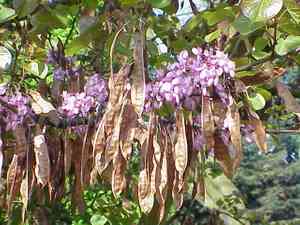
The most favorable period for transplanting judas tree is in the pleasant stretch of mid-to-late spring, as this offers the plant the greatest opportunity for successful establishment. Choose a location that receives full sun to partial shade and features soil that drains effectively. Careful manipulation is crucial to prevent root trauma.
What Preparations are Needed Before Transplanting Judas Tree?
What is the Ideal Time for Transplanting Judas Tree?
The optimal period for relocating judas tree is during the core of spring, specifically from mid to late spring. This timeframe offers mild weather, which is vital for judas tree's establishment, allowing its roots to settle comfortably before the rigors of summer heat or winter cold. The moderate conditions during this season promote robust root development, ensuring a strong foundation for the plant's future growth. Moving judas tree at this time aligns with its natural growth cycle, facilitating a smoother transition and increasing survival rates. It's an opportune moment when the soil is warm and manageable, which enhances root-to-soil contact and improves water absorption, thereby fostering a healthy start in its new spot. By selecting the best transplanting season, you are setting judas tree up for success, paving the way for a flourishing display in your garden.
How Much Space Should You Leave Between Judas Tree Plants?
Firstly, when moving your judas tree, ensure each plant has ample room to develop. Ideally, aim for a separation of approximately 6-8 feet (1.8-2.4 meters) between them. This will allow the plants to flourish without competing for resources.
What is the Best Soil Mix for Judas Tree Transplanting?
Next, prepare the ground. Your judas tree prefers soil that drains well, ideally a loamy or sandy type. To provide the best start, incorporate some slow-release granular fertilizer. This will nourish your plants and support vigorous growth.
Where Should You Relocate Your Judas Tree?
2Lastly, location is crucial. Your judas tree will thrive in full sun to partial shade. Choose a spot in your garden that receives about 6 hours of sunlight daily. This is where you'll replant your new specimen.
What Equipments Should You Prepare Before Transplantation Judas Tree?
Gardening Gloves
To safeguard your hands while working in the soil with judas tree.
Spade or Shovel
Perfect for digging in the garden and extracting the judas tree from its current spot.
Gardening Fork
Aids in loosening the soil around the plant, simplifying its removal.
Wheelbarrow
Useful for moving the judas tree to its new location.
Watering Can or Hose
To hydrate the judas tree before and after its relocation.
How Do You Remove Judas Tree from the Soil?
How Do You Remove Judas Tree from the Soil?
From Ground: To begin, water the judas tree to moisten the soil, which will facilitate its removal. Once the soil is damp, use a spade or shovel to dig a wide circle around the plant, ensuring you capture the entire root ball intact. Carefully lift the plant from the ground and place it in a wheelbarrow for transport.From Pot: If your judas tree is currently in a container, start by watering it thoroughly. This will make extraction easier. Gently invert the pot while supporting the plant and its roots. The judas tree should slide out easily with the root ball still intact.From Seedling Tray: Seedlings are very delicate, so exercise caution when transplanting judas tree from a seedling tray. Wait until the plant has developed a strong root system before transplanting. Gently remove the judas tree from the tray by pushing up from the bottom, but avoid pulling on the plant itself. Always support the roots during the process.
Step-by-Step Guide for Transplanting Judas Tree
Preparation
Start by digging a hole where you intend to transplant the judas tree. The hole should be large enough to accommodate the plant's root ball with some extra space for its future growth.
Placement
Carefully position the judas tree in the hole, centering it as best as possible. Ensure the top of the root ball is level with the ground surface.
Backfill
Refill the hole, gently but firmly compacting the soil around the judas tree to ensure stability. Do not over-compress the soil as this can impede root growth.
Watering
Water thoroughly, saturating the entire area, so there's ample moisture for the judas tree to begin integrating into its new environment.
How Do You Care For Judas Tree After Transplanting?
Watering
For the initial few weeks following transplantation, ensure the soil around the judas tree remains consistently moist, but not waterlogged. This encourages the plant to establish its roots in the new location.
Mulching
Apply a layer of organic material around the base of the judas tree to help retain moisture and suppress weeds.
Pruning
If the judas tree exhibits signs of stress, such as yellowing foliage, consider light pruning to reduce the plant's need to sustain unnecessary growth, allowing it to focus on root development.
Inspecting
Regularly check the judas tree for indications of disease or pests and treat as necessary to maintain the plant's health.
Troubleshooting Common Issues with Judas Tree Transplantation.
What is the best time in a year to transplant judas tree?
The ideal season to move judas tree is between late winter and early spring (S2-S3). This provides ample time for establishment before the hot summer period.
How far apart should I plant my judas tree?
Your judas tree will thrive best when spaced approximately 6-8 feet (1.8-2.4 meters) apart. This will give each plant sufficient room to grow and spread.
Why isnât my transplanted judas tree growing?
Transplants often experience shock, leading to stunted growth. Ensure planting in the correct season, providing adequate water, good-quality soil, and proper spacing between plants are in place.
Can I transplant my mature judas tree?
Yes, mature judas tree can be transplanted, but it's a delicate procedure. It's crucial to take as much of the root system as possible to encourage successful transplantation.
My transplanted judas tree has wilting leaves, what do I do?
Wilting could indicate transplant shock. Protect your plant from harsh conditions, keep the soil moderately moist, and avoid overwatering or underwatering to reduce shock and promote recovery.
How to handle judas tree seedlings during transplantation?
Handle judas tree seedlings gently, ensuring not to damage the roots when removing them from their starter pot. Plant them firmly at the same depth they were originally growing.
What should I do if the transplanted judas tree is not flowering?
If your judas tree is not flowering, check the lighting conditions. Judas tree needs full sun to part shade to bloom. Also, avoid excessive fertilizing which can encourage leaf growth over flowers.
What size of a hole is needed for transplanting judas tree?
The hole should be 2-3 times the width of the root ball and the same depth. This ensures easy root establishment of the judas tree in its new environment.
Is there a need to prune judas tree while transplanting?
While not strictly necessary, pruning back some of the top growth can help balance the loss of roots during the transplant process and reduce stress on judas tree.
Why are the leaves on my transplanted judas tree turning yellow?
Yellowing leaves may indicate overwatering or poor drainage. If your judas tree is too wet, it can suffer from root rot. Ensure your planting site is well-drained and avoid overwatering.



