How to Transplant Chinese redbud?
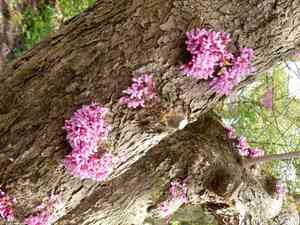
The most favorable window for transplanting chinese redbud is during its active growth phase, spanning from the end of spring to the middle of summer, which facilitates a seamless adjustment. Select a location with good drainage and abundant solar exposure. Should it be required, enrich the earth to create a welcoming new environment.
What Preparations are Needed Before Transplanting Chinese Redbud?
What is the Ideal Time for Transplanting Chinese Redbud?
The optimal period for relocating chinese redbud is at the transition from spring to summer, providing a balance of warmth and manageable growth. This timing allows chinese redbud to establish itself in mild conditions, promoting robust root development before the intense heat of summer. Utilizing this transplanting window encourages a healthy transition, as moderate temperatures reduce stress on chinese redbud, and longer days offer ample light for photosynthesis. Positioning chinese redbud now will effectively set the plant up for a vigorous growing season, enhancing its strength and future flowering potential.
How Much Space Should You Leave Between Chinese Redbud Plants?
For optimal outcomes, position each chinese redbud approximately 6-10 feet (1.8-3 meters) apart. This provides sufficient room for growth without crowding, ensuring healthier development and improved blooms.
What is the Best Soil Mix for Chinese Redbud Transplanting?
Prepare your soil for chinese redbud by making it rich and well-draining. Incorporate organic compost or aged manure, which serves as a foundational fertilizer, encouraging root growth and improving soil nutrients.
Where Should You Relocate Your Chinese Redbud?
Chinese redbud thrives in locations with full or partial sun exposure. Therefore, when transplanting, select outdoor areas that receive sunlight for most of the day. However, it can also tolerate some shade.
What Equipments Should You Prepare Before Transplantation Chinese Redbud?
Gardening Gloves
Essential for safeguarding your hands while working with soil and the chinese redbud plant.
Garden Trowel
Useful for excavating small holes, particularly when extracting the plant from a smaller container or seedling tray.
Garden Spade or Shovel
Required for digging larger holes and removing plants from the ground.
Watering Can or Hose
To assist in moistening the soil and keeping the plant hydrated.
Mulch
Helps maintain soil moisture and temperature after transplantation.
Wheeled Plant Mover (Optional)
If chinese redbud is large and heavy, this tool can facilitate safer and easier transport.
How Do You Remove Chinese Redbud from the Soil?
How Do You Remove Chinese Redbud from the Soil?
From Ground: Start by watering the chinese redbud to moisten the soil, which simplifies digging. Using a garden spade, excavate a wide trench around the chinese redbud, being careful not to harm the root ball. Once the trench is sufficiently wide, gently work the spade beneath the root ball to lift the plant.From Pot: If the chinese redbud is in a pot, first lightly water it. Next, place your hand over the top of the pot, with the chinese redbud between your fingers. Invert the pot and carefully separate it from the plant's roots.From Seedling Tray: Lightly water the tray, then gently lift the chinese redbud by the base of its stem. Exercise extreme caution to avoid damaging the delicate young roots.
Step-by-Step Guide for Transplanting Chinese Redbud
Preparation
Clear and prepare your chosen transplanting site, ensuring it aligns with the previous sections on sunlight and soil type.
Digging
Excavate a hole that is twice as wide and as deep as the root ball of the chinese redbud.
Placement
Gently position the chinese redbud in the hole, making sure it's at the same depth as in its prior location. The top of the root ball should be level with the surrounding soil.
Refilling
Backfill the hole with original soil, pressing gently around the base of the chinese redbud to eliminate air pockets.
Watering
Thoroughly water the plant immediately after transplanting. The soil should be moist, but not waterlogged.
Mulching
Apply a layer of mulch around the base of the chinese redbud, but avoid direct contact with the stem to prevent rot.
How Do You Care For Chinese Redbud After Transplanting?
Regular Monitoring
Inspect the chinese redbud daily for indications of water stress, such as wilting or yellowing leaves. Water as necessary to ensure the soil remains consistently moist, but not saturated.
Pruning
If you observe any damaged or dead branches on the chinese redbud after transplanting, prune them off to redirect more energy into new growth.
Protecting
Young chinese redbud plants can be susceptible to extreme weather. Consider utilizing protective garden cloths or plant guards if harsh temperatures are anticipated.
Troubleshooting Common Issues with Chinese Redbud Transplantation.
When's the best time to transplant chinese redbud?
The optimal time to transplant chinese redbud is during late summer to early autumn (S3-S5). This allows chinese redbud ample time to establish roots before winter.
What's the ideal spacing for planting chinese redbud?
Proper spacing is vital for healthy growth. Ideally, chinese redbud should be spaced approximately 6-10 feet (1.8-3 meters) apart to provide adequate room for development.
How should I prepare the soil before transplanting chinese redbud?
Before transplanting, ensure the soil is well-drained and rich in organic matter. You can enhance soil conditions by adding compost or well-rotted manure.
What depth should chinese redbud be planted at?
Dig a hole that's twice the width and as deep as the root ball of your chinese redbud. The top of the root ball should be level with or slightly above the ground surface.
How much water does chinese redbud need after transplanting?
Following transplant, water chinese redbud thoroughly, then maintain consistent soil moisture. However, avoid waterlogging as it could lead to root rot.
How do I care for chinese redbud after transplanting?
After transplanting, keep chinese redbud well-watered, especially during dry periods. Apply mulch around the base to retain moisture and suppress weeds.
Why are my transplanted chinese redbud leaves turning yellow?
Yellowing leaves can indicate water stress or nutrient deficiencies. Ensure chinese redbud is adequately watered and fertilize with a balanced plant food if needed.
Can I transplant a mature chinese redbud?
Transplanting mature chinese redbud can be challenging and is generally not advised. Younger plants adapt more easily to new environments.
How do I protect my transplanted chinese redbud in winter?
Applying a layer of mulch around chinese redbud can help shield the roots from freezing temperatures. However, avoid piling mulch directly against the trunk.
Should I prune chinese redbud when transplanting?
Pruning is not essential when transplanting chinese redbud. However, you may remove any damaged or diseased branches to encourage healthy growth.



