How to Transplant Katsura tree?
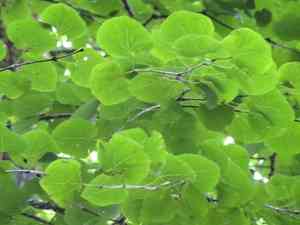
The ideal period for relocating katsura tree falls between the end of spring and the beginning of summer, since elevated temperatures foster more robust root development. Select a site featuring soil that drains effectively, abundant solar exposure, and shelter from strong gusts. Bear in mind that delicate handling is crucial during the transplanting process to guarantee the katsura tree flourishes!
Necessary Preparations Before Relocating Katsura Tree?
Optimal Period for Transplanting Katsura Tree?
The best time to move katsura tree is from mid-spring to the peak of summer. This timeframe supports root development and enhances the plant's resilience. Relocating katsura tree during this window improves its growth, flowering, and overall vigor. You'll adore the remarkable transformation of this lovely perennial in your garden!
Required Spacing Between Katsura Tree Plants?
To allow your katsura tree ample room to expand, aim for a transplanting distance of 48-72 inches (121-182 cm) between them. This ensures they have sufficient space to reach their full potential.
Ideal Soil Mixture for Katsura Tree Transplanting?
Prepare the soil by incorporating well-draining, nutrient-rich loam with added organic material, such as compost or aged manure. Apply a balanced, slow-release granular fertilizer to provide your katsura tree with a strong foundation.
Where to Replant Your Katsura Tree?
Choose a spot that receives full sun to partial shade for your katsura tree. Morning sun with afternoon shade is perfect, as it offers enough light while shielding the plant from intense afternoon rays.
Equipment Needed Before Transplanting Katsura Tree?
Shovel
Crucial for excavating the planting hole and extracting the katsura tree from its original spot.
Gardening Gloves
To safeguard your hands from potential scrapes and dirt while handling soil and the plant.
Wheelbarrow
For moving the katsura tree from its initial location to the new planting site.
Root Pruning Shears
To carefully trim any tangled or damaged roots prior to transplanting.
Watering Can or Hose
To hydrate the soil both before and after the transplant.
Stakes and Plant Ties
To offer extra support to the katsura tree after relocation, if necessary.
Organic Mulch
To help retain moisture and keep the roots of the transplanted katsura tree cool.
How to Extract Katsura Tree from the Soil?
How to Extract Katsura Tree from the Soil?
From Ground: First, water your katsura tree to moisten the soil. This facilitates easier root removal. Dig a wide circle around the plant, ensuring the spade stays clear of the plant's main roots. Gently lift the plant, making sure the root ball remains intact. From Pot: Begin by thoroughly watering your potted katsura tree to lock in moisture. Tip the pot sideways and, while supporting the plant, gently tap to release it. If the plant doesn't slide out easily, rotate the pot by hand while lightly pulling the plant. From Seedling Tray: Carefully hold the katsura tree seedling by its leaves (never the stem) and gently ease the root ball out. If it doesn't lift easily, use a butter knife or similar tool to lift the root ball from underneath, minimizing root disturbance.
Step-by-Step Guide for Relocating Katsura Tree
Preparation
Fill the wheelbarrow with water and place the katsura tree root ball in it to keep the roots hydrated.
Digging
At the chosen site, dig a hole twice as wide and as deep as the katsura tree's root ball.
Placement
Center the katsura tree in the hole and adjust the soil beneath it if needed, so that the top of the root ball is level with or slightly above the ground surface.
Backfilling
Refill with the excavated soil, gently firming around the base of the katsura tree to ensure it stands upright.
Watering
Apply water to thoroughly saturate the soil around the katsura tree, ensuring no air pockets remain in the soil.
Staking
If your katsura tree is tall or the location is windy, stake the plant for support and attach plant ties to hold it upright.
Mulching
Apply a layer of organic mulch around the plant's base to help retain moisture and protect the roots.
Post-Transplant Care for Katsura Tree?
Water Retention
Remember to water the katsura tree carefully, ensuring the soil stays moist - especially during the initial weeks.
Pruning
Avoid extensive pruning immediately after transplanting. Limit the first year's pruning to only dead or broken branches.
Monitor
Keep a close watch on the katsura tree during the first week. Drooping or yellowing leaves can indicate issues like water stress or sunburn.
Staking
If the katsura tree is staked, regularly check the ties to ensure they haven't become too tight as the tree grows. Keep the tree staked until it's stable on its own, typically after about a year.
Mulching
Replace the mulch around your katsura tree as needed. It should be 2-3 inches thick, but not piled against the plant's trunk.
Addressing Common Issues with Katsura Tree Transplantation.
When is the ideal time to transplant the katsura tree?
The perfect time to move your katsura tree is between mid-spring and summer.
What spacing should I maintain between transplanted katsura tree?
Ensure each katsura tree has approximately 48-72 inches (122-183 cm) of space from the next. This promotes healthy development.
How deep should I plant the katsura tree during transplantation?
As a general guideline, plant the katsura tree at the same depth it was in its previous spot. This prevents root exposure.
What is the best soil type for transplanting katsura tree?
Katsura tree prefers well-draining, slightly acidic soil. Avoid heavy clay or overly sandy soil for optimal growth.
What steps can I take to facilitate a smoother transplant for the katsura tree?
Water the katsura tree thoroughly the day before transplanting. Dig a hole 2-3 times the root's width and the same depth.
What to do if katsura tree appears to struggle after transplantation?
Ensure adequate watering post-transplantation. If katsura tree shows wilting or yellowing leaves, it may require more water.
How do I know if katsura tree has been successfully transplanted?
Successful transplantation of katsura tree typically manifests through new leaf growth. This process might take 2-3 weeks post-transplant.
How often should I water the katsura tree post-transplantation?
Initially, water the katsura tree daily, then gradually reduce to every 2-3 days after a week. Adjust based on weather conditions.
Can sunlight impact the transplantation of katsura tree?
Katsura tree cannot tolerate hot and dry conditions. For a better transplant success rate, choose a location with partial sun-shade.
How can I minimize the risk of transplant shock in katsura tree?
Provide ample water, good soil, and correct spacing. Light pruning can help katsura tree focus on re-establishing roots.



