How to Transplant Carob tree?
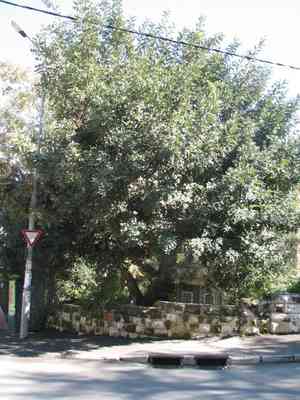
The ideal period for transplanting carob tree is mid-spring, as moderate temperatures foster root establishment. Select locations that receive ample sunlight and possess soil with good drainage. When relocating carob tree, ensure the root ball remains largely intact to facilitate easier adjustment.
What Preparations are Needed Before Transplanting Carob Tree?
What is the Ideal Time for Transplanting Carob Tree?
The optimal period for relocating carob tree is during mid-spring. This season provides mild temperatures and consistent moisture, essential for root development. By transplanting at this time, you leverage the gentle weather, ensuring your carob tree has the best conditions to flourish. This strategic timing aligns with carob tree's natural growth cycle, promoting strong development and minimizing transplant stress.
How Much Space Should You Leave Between Carob Tree Plants?
For carob tree, you need to allow ample room for its branches to spread freely. An ideal spacing would be 15-20 feet (4.5-6 meters) apart. Always remember, providing sufficient space for growth helps ensure a healthier and more robust tree!
What is the Best Soil Mix for Carob Tree Transplanting?
Carob tree thrives in well-drained soil rich in organic matter. Before transplanting, incorporate compost or a general-purpose fertilizer into the soil. This will enhance the plant's overall vigor and provide its roots with a nutrient-rich environment for growth.
Where Should You Relocate Your Carob Tree?
Carob tree requires a sunny location to grow and thrive optimally. Select a spot in your garden that receives full sunlight exposure for most of the day. However, partial shade is also acceptable. Remember, adequate sunlight promotes increased growth!
What Equipments Should You Prepare Before Transplantation Carob Tree?
Garden Gloves
To safeguard your hands from dirt and minor injuries while handling the plant and soil.
Shovel or Spade
Used for excavating holes and extracting the plant from its original position. Ensure it is robust and sharp.
Watering Can
To hydrate your carob tree during and after the relocation process.
Pruning Shears
To trim any excess or dead branches before and after the transplant.
Wheelbarrow
Useful for transporting the plant and any excavated soil.
How Do You Remove Carob Tree from the Soil?
How Do You Remove Carob Tree from the Soil?
From Ground: Start by moistening the carob tree plant, allowing the soil to become damp. This facilitates a smoother removal process and reduces root damage. Use a shovel or spade to dig a trench around the plant, wide enough to encompass the root ball. Gently work your spade beneath the root ball, then carefully lift the plant from the ground.From Pot: Water the plant thoroughly. Turn the pot on its side, steady the plant, and slide off the container. Do not forcefully pull the plant out by the stem or trunk if it resists; instead, tap the sides or bottom of the pot to loosen it.From Seedling Tray: Ensure seedlings are well-hydrated before removal from the tray. Carefully ease out the plant using a dibber or appropriate tool, taking care not to harm the roots. Hold it by a leaf if possible, rather than by the stem.
Step-by-Step Guide for Transplanting Carob Tree
Preparation
Begin by thoroughly inspecting the plant. Use your pruning shears to remove any damaged roots or branches; this will enable the carob tree to direct its energy towards new growth.
Digging the Hole
Excavate a hole in the ground that is twice the size of your carob tree's root ball and equally as deep.
Placing the Plant
Position your tree in the hole, ensuring it stands upright. The top of the root ball should be level with or slightly above the surrounding soil to prevent water accumulation at the trunk's base.
Backfilling
Gently refill the hole with the excavated soil, lightly firming it as you proceed until the hole is filled and the tree is stable.
Watering
Saturate the soil around the tree with water from your watering can. This aids in settling the soil around the tree's roots.
How Do You Care For Carob Tree After Transplanting?
Watering
Ensure the soil remains consistently moist to encourage root development after transplantation. During dry spells, regular irrigation is essential.
Pruning
Pruning promotes denser growth. Whenever branches become excessively long and thin, snip the tips to discourage that growth and encourage branching.
Pest Monitoring
Maintain a vigilant watch for pests or indications of disease. Early detection can prevent significant harm to your carob tree. Consult with a local extension service or experienced garden center for pest control recommendations suitable for your region.
Troubleshooting Common Issues with Carob Tree Transplantation.
What's the best time for transplanting carob tree?
The optimal period to transplant carob tree is between the second and third season when temperatures are mild. This allows the plant to establish comfortably.
What spacing must be maintained when transplanting carob tree?
As carob tree matures into a large tree, providing ample space is crucial. Ideally, maintain a distance of 15-20 feet (4.5-6 meters) between each tree.
How to prepare the soil before transplanting carob tree?
Ensure the soil is loamy, fertile, and drains well. If your soil is heavy or sandy, enrich it with compost or organic matter before transplanting carob tree.
How deep should carob tree be planted?
Plant carob tree at the exact depth it was growing in its starter pot. Planting it too deep or too shallow can lead to root-related health problems.
Should we prune carob tree before or after transplanting it?
A small amount of pruning can be done before transplanting to lessen the shock. However, significant pruning should occur after the plant has fully established.
How much should I water carob tree after transplanting?
Water carob tree immediately after transplanting. Afterward, water it deeply, but less frequently, allowing the surface to dry between waterings.
What should I do if the leaves of carob tree turn yellow after transplanting?
Yellow leaves may indicate overwatering or inadequate drainage. Adjust your watering frequency and ensure the planting site is well-draining.
Should I use fertilizers while transplanting carob tree?
Fertilizing is not necessary at the time of transplanting. Wait a few weeks until carob tree is established, then consider a balanced, slow-release fertilizer.
What to do if carob tree is not growing after transplanting?
Ensure that carob tree receives sufficient sunlight, water, and nutrients. Transplant shock can also slow growth, so allow it some time to adapt.
Is staking necessary for carob tree after transplanting?
If carob tree is a young plant or if the planting location is windy, then staking for the first year after transplanting would be beneficial.



