How to Transplant Sticky chickweed?
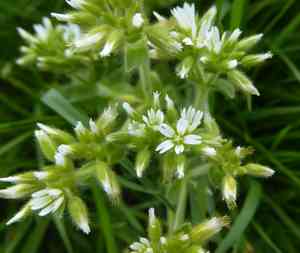
For optimal development, relocate sticky chickweed during the balmy period from late spring through mid-summer. Select a site that receives ample sunlight to partial shade and features soil with good drainage. If the plant is fragile, exercise caution to prevent damage to its root system.
What Preparations are Needed Before Transplanting Sticky Chickweed?
What is the Ideal Time for Transplanting Sticky Chickweed?
The best time to move sticky chickweed is during the pleasant temperatures of late spring to early summer. Planting then takes advantage of the season's mild weather and stable growing conditions. Placing sticky chickweed in your garden at this point promotes easy adjustment, benefiting from longer days and the start of steady warmth. This timing supports strong root development and acclimation before summer's full intensity encourages growth. Furthermore, early summer allows sticky chickweed to thrive, with ample time to establish itself before the autumn cold.
How Much Space Should You Leave Between Sticky Chickweed Plants?
For sticky chickweed, we suggest positioning your plants approximately 1-2 feet (30-60 cm) apart. This provides them with ample room to expand and flourish. However, don't be overly concerned; sticky chickweed is quite adaptable even if spacing isn't exact.
What is the Best Soil Mix for Sticky Chickweed Transplanting?
For sticky chickweed, select a well-draining, rich soil. Before planting, incorporate some slow-release fertilizer into the soil. This greatly benefits sticky chickweed by providing continuous nourishment over time.
Where Should You Relocate Your Sticky Chickweed?
Sticky chickweed thrives in locations with full sun to partial shade. Therefore, select a sunny corner of your garden or a spot that receives some afternoon shade. This way, sticky chickweed will be content and reward you with abundant growth.
What Equipments Should You Prepare Before Transplantation Sticky Chickweed?
Gardening Gloves
To safeguard your hands when handling soil and the sticky chickweed plant.
Shovel or Trowel
To excavate the sticky chickweed plant without harming its root system.
A Suitably Sized Planting Pot
To temporarily house sticky chickweed during its relocation. Ensure it has adequate drainage to prevent root decay.
Watering Can
To thoroughly hydrate the sticky chickweed both prior to and following transplantation.
Pruning Shears
To remove any dead or dying foliage before planting.
Mulch
Used to aid in moisture retention and regulate soil temperature around the plant.
How Do You Remove Sticky Chickweed from the Soil?
How Do You Remove Sticky Chickweed from the Soil?
From Ground: First, moisten the sticky chickweed to soften the soil, making extraction easier. Using your shovel or trowel, carefully dig a wide area around the plant to keep the root ball intact. Gently lift the plant from its original spot, ensuring minimal root damage.From a Pot: For a sticky chickweed in a pot or container, water it thoroughly beforehand. Carefully tip the pot sideways and ease the plant out, using your hands to support the root ball. Remember to be gentle and avoid pulling or tugging on the plant's stems or leaves.From Seedling Tray: If the sticky chickweed is in a seedling tray with multiple plants, gently squeeze the bottom of the individual cell while lifting the seedling. Ensure you retrieve as much of the root and attached soil as possible.
Step-by-Step Guide for Transplanting Sticky Chickweed
Plant Preparation
Remove any dead or diseased growth and inspect the plant for pests before transplanting.
Dig a Hole
At your chosen site, excavate a hole twice as wide and as deep as the sticky chickweed's root ball.
Set Your Plant
Position the sticky chickweed in the hole, ensuring it sits level with the top of the opening.
Refill with Soil
Backfill the hole with the original soil and gently press down to eliminate air pockets, but avoid compacting the soil.
Water Thoroughly
Use your watering can to thoroughly hydrate the sticky chickweed.
Mulch
Apply a layer of mulch around the plant to help retain moisture.
How Do You Care For Sticky Chickweed After Transplanting?
Watering
For the initial few weeks post-transplant, keep the soil around sticky chickweed consistently damp but not waterlogged. This assists in root establishment.
Checking for Growth
After several weeks, observe for new growth as an indication that the sticky chickweed plant is adapting to its new environment.
Frequent Checkup
Regularly inspect for pests or diseases to ensure the plant's overall well-being.
Pruning
Based on the growth habit of sticky chickweed, trim any unruly or overgrown sections to maintain a good shape and encourage healthy development.
Troubleshooting Common Issues with Sticky Chickweed Transplantation.
When is the best time to transplant sticky chickweed?
The optimal period to transplant sticky chickweed is from late summer to early autumn, which corresponds to stages S3 to S5 in a typical growth cycle.
What's the recommended distance between sticky chickweed when planting?
To provide sticky chickweed with adequate room to grow, maintain a spacing of approximately 1-2 feet (30-60 cm) between each plant. This ensures sufficient light and nutrients for all.
Do I need to prepare anything before transplanting sticky chickweed?
Yes, enrich the soil with organic matter. This will supply the necessary nutrients and promote vigorous growth for sticky chickweed. Avoid excessive water for better root health.
What precautions should I take when unrooting sticky chickweed for transplanting?
Handle sticky chickweed's root system with care. Be gentle to prevent unnecessary stress or damage to the plant, which could affect its growth after being transplanted.
What is the ideal soil type for sticky chickweed?
Sticky chickweed prefers well-drained soil. Too much moisture can lead to root diseases. The soil should be rich in organic matter for the best growing outcomes.
What to do if the leaves of my newly transplanted sticky chickweed are wilting?
Consistent watering after transplanting can help. If wilting persists, check for root damage or pests. Restore the plant's health with proper care and pest control measures.
How to ensure my transplanted sticky chickweed gets the right sunlight?
Sticky chickweed thrives in full or partial sunlight. Ensure it's placed where it receives at least six hours of sun daily. Avoid dense shade for consistent growth.
Should I fertilize my sticky chickweed after transplanting?
Yes, a mild slow-release organic fertilizer would be perfect. This will provide the necessary nutrients over time for sticky chickweed's initial growth after transplant.
How can I stimulate root growth for sticky chickweed after transplanting?
Water the sticky chickweed sufficiently and regularly, but avoid waterlogging. A root stimulating fertilizer can also help encourage healthy root development.
How do I deal with pests on my transplanted sticky chickweed?
Regularly inspect sticky chickweed for any signs of pest infestations. Use a mild organic pesticide when necessary, but remember, prevention is always superior to treatment.



