How to Transplant Common buttonbush?
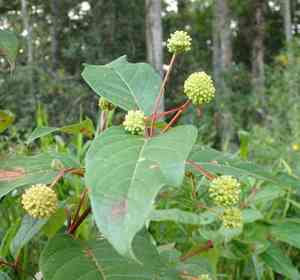
For common buttonbush, the ideal period for fostering fresh development is in the revitalizing phase of early to mid-spring. Select a location with sufficient humidity and dappled sunlight. Verify that the substrate drains effectively and is fertile to facilitate a seamless establishment.
Essential Preparations Before Relocating Common Buttonbush?
Optimal Period for Common Buttonbush Relocation?
Moving common buttonbush during mid-spring promotes root establishment, thanks to mild weather. The extended growth period before summer ensures vigorous, flourishing development.
Required Spacing Between Common Buttonbush Plants?
For common buttonbush, ensure ample spacing! Position them approximately 5-6 feet (1.5-1.8 meters) apart. This provides sufficient room for them to thrive without overcrowding.
Ideal Soil Mixture for Common Buttonbush Transplanting?
The best soil for common buttonbush is moist to moderately well-drained. Enrich the planting site with abundant organic matter like compost. A light application of balanced slow-release fertilizer jumpstarts growth.
Recommended Location for Your Common Buttonbush?
Common buttonbush thrives in sunlight! Select a spot with full sun to partial shade. It's an excellent choice near water bodies like ponds or streams as it tolerates wet conditions. Happy gardening!
Equipment Needed Before Transplanting Common Buttonbush?
Gardening Gloves
To shield your hands from thorns and sharp objects while handling soil and common buttonbush.
Hand Trowel
This small garden shovel aids in excavating holes for the plant.
Watering Can
Used for hydrating the plant both before and after its relocation.
Wheelbarrow
Useful for transporting organic material, compost, or mulch to the new planting site.
Garden Spade
To assist in extracting the common buttonbush from its original spot while preserving the root ball.
Mulch
This helps retain soil moisture and safeguards the common buttonbush's root system.
How to Extract Common Buttonbush from the Ground?
How to Extract Common Buttonbush from the Ground?
From Ground: Begin by moistening the soil around the common buttonbush. Use a garden spade to dig a wide trench around the plant, ensuring the root ball remains intact. Finally, carefully work the spade beneath the root ball to lift the plant from its initial position.From Pot: First, hydrate the plant until the potting medium is damp. Then, gently invert the pot, carefully supporting the plant. The common buttonbush should slide out with the potting soil. Avoid pulling the plant, as this could harm its root system.From Seedling Tray: Water the seedlings, then gently press the bottom of the seedling cells. Remove the common buttonbush seedlings by holding their leaves, not the stem or roots, then carefully untangle any intertwined roots.
Step-by-Step Guide for Relocating Common Buttonbush
Preparation
Before transplanting, immerse the common buttonbush's root ball in a bucket of water until air bubbles cease to rise. This ensures thorough root hydration.
Creating a Cavity
Excavate a hole with the hand trowel in the chosen spot. The hole should match the root ball's depth and be twice its width.
Positioning the Plant
Center the common buttonbush in the hole. The top of its root ball should be flush with the surrounding soil surface.
Backfilling
Refill the hole with soil, gently firming it around the root ball. Water the plant thoroughly with a watering can to aid soil settlement.
Mulching
Apply a generous layer of mulch around the plant, keeping it a few inches from the stem to prevent rot.
Post-Transplant Care for Common Buttonbush?
Watering
Consistent watering of the common buttonbush after transplanting is vital, at least once weekly, but avoid overwatering to prevent root rot.
Feeding
Nourish the common buttonbush with a balanced plant food monthly during its active growth period; this will strengthen newly established roots.
Pruning
Trim the common buttonbush in early spring before new growth emerges to maintain its size and form.
Monitoring
Watch for any signs of distress, such as wilting or yellowing leaves, which could signal issues like disease or pests.
Resolving Common Issues with Common Buttonbush Transplantation.
What is the most suitable season for transplanting common buttonbush?
The ideal time for common buttonbush relocation is spring and early summer (Season 2-3). This period promotes excellent root development and plant growth.
What spacing should be maintained when planting common buttonbush?
For proper common buttonbush growth, maintain a distance of 5-6 feet (1.5-1.8 meters) between plants. This provides each plant ample room to flourish.
Why is my transplanted common buttonbush wilting?
Common buttonbush may wilt due to transplant shock. Ensure thorough watering immediately after transplanting and maintain optimal soil moisture for the subsequent weeks.
Why are the leaves of my transplanted common buttonbush turning yellow?
Excessive watering, poor drainage, or a nutrient deficiency could be causing yellow leaves on your common buttonbush. Evaluate these factors and adjust as needed.
What kind of soil is best for transplanting common buttonbush?
Common buttonbush adapts to various soil types. However, it thrives in well-draining, loamy to sandy soil. Rich, acidic soil is a significant advantage.
Does common buttonbush need sun or shade after transplanting?
Common buttonbush prefers full sun but tolerates partial shade. Ensure it receives a good 6-8 hours of daily sunlight for optimal growth.
How often should I water transplanted common buttonbush?
Optimal watering frequency varies due to many factors. It's best to keep the soil consistently moist, especially within the first few weeks post-transplanting. Do not allow the soil to dry out.
Why is the growth of my transplanted common buttonbush slow?
Slow growth may stem from insufficient light, improper watering, or nutrient deficiencies. Ensure common buttonbush receives these in appropriate amounts for healthy development.
Should I fertilize common buttonbush after transplanting? If so, what type of fertilizer is best?
Yes, fertilize common buttonbush after transplanting to encourage robust growth. Use a balanced slow-release fertilizer and adhere to its instructions carefully.
How deeply should I plant common buttonbush when transplanting?
When transplanting, ensure the common buttonbush's root ball is level with or slightly above the soil surface. Planting too deeply may harm the plant.



