How to Transplant Red valerian?
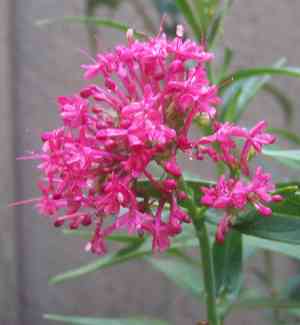
The optimal period for relocating red valerian is from mid-spring to early summer, leveraging the temperate conditions for root development. Select a location that receives ample sunlight and has soil that drains effectively. Should the soil be dense, amend it with compost to facilitate the establishment of red valerian's new root system.
Essential Preparations Before Relocating Red Valerian?
Optimal Period for Red Valerian Relocation?
For red valerian, the prime time for moving it is from mid-spring's onset to early summer's warmth. This period offers ideal temperatures and consistent moisture, crucial for young plants during their critical establishment phase. It's a perfect window when the soil is receptive, frost is gone, and gentle sun promotes strong root growth. Choosing this season aligns with the plant's natural cycle and gives it a full growing season ahead for vibrant display.
Required Spacing Between Red Valerian Plants?
Allow ample room for your red valerian to flourish by placing each plant approximately 1-2 feet (30-60 cm) apart. This spacing ensures sufficient nutrient uptake and promotes a robust root system.
Best Soil Blend for Red Valerian Transplanting?
Preparing the soil for your red valerian is crucial. Establish a well-draining soil base, ideally a mix of garden soil, compost, and coarse sand. Before planting, incorporate a slow-release granular fertilizer to enrich the soil.
Ideal Location for Your Red Valerian?
Red valerian thrives in sunlight, so select a spot that receives both full sun and partial shade throughout the day. Avoid overly shaded areas as this can diminish the plant's vigor and bloom.
Equipment Needed Before Transplanting Red Valerian?
Gardening Gloves
To safeguard your hands while handling soil and red valerian.
Trowel
A small hand tool used to extract red valerian from its original spot and excavate a hole in the new location.
Spade
Larger than a trowel, useful for digging bigger holes if your plant is substantial.
Watering Can
For hydrating the plant after transplantation.
Garden Fork
Helpful for loosening the soil both before and after transplantation.
Secateurs/Pruning Shears
Useful for trimming any damaged or diseased parts of red valerian prior to transplantation.
How to Extract Red Valerian from the Soil?
How to Extract Red Valerian from the Soil?
From Ground: First, put on your gardening gloves and grab your trowel or spade. Carefully dig around the base of the red valerian plant to loosen the soil, taking care not to harm its roots. Continue digging until you can easily lift the plant and its root ball from the ground.From Pot: If the red valerian plant is in a pot, turn the pot sideways, gently hold the plant by its stem, and tap the bottom of the container until the plant slides out. Be sure not to pull the plant out by its stems.From Seedling Tray: If the red valerian plant is a seedling in a tray, use a narrow trowel, a dibber (a pointed wooden stick), or even a common tablespoon to carefully lever the seedling out of its cell; holding it by its leaves and ensuring the root ball remains intact.
Step-by-Step Guide for Relocating Red Valerian
Excavating the Hole
Using your trowel or spade, dig a hole in your chosen planting site that is twice as wide and approximately the same depth as the red valerian's root ball. Note: making the hole larger will allow the roots to spread and strengthen.
Positioning the Plant
Place red valerian in the hole, ensuring its top is level with the surrounding soil. This level placement prevents the plant from being planted too deeply or too shallowly.
Refilling the Hole
Backfill the hole with soil and gently press to firm the soil around the root ball. Avoid excessive compaction, as this can hinder water penetration.
Watering
Thoroughly water the red valerian plant using your watering can. Watering will help the settled soil around the roots.
Post-Transplantation Care for Red Valerian?
Mulching
A layer of straw or bark mulch can help retain soil moisture and keep the root zone cooler, which benefits the red valerian plant.
Pruning
Use secateurs to remove any broken or damaged leaves to direct the plant's energy towards new growth.
Regular Inspection
Frequently check the red valerian plant for any signs of stress, such as wilting or yellowing leaves. Remove any such foliage and adjust care practices as needed.
Consistent Watering
The red valerian plant requires adequate water after transplanting. Water it regularly, but be careful not to overwater to prevent root rot.
Addressing Common Issues with Red Valerian Transplantation.
When is the optimal time to transplant the red valerian plant?
The best time for transplanting red valerian plant is between late spring and early fall, referred to as S2-S4 here.
What spacing should I maintain when transplanting red valerian plants?
You should aim for a spacing of 1-2 feet (30-60 cm) between each red valerian plant to ensure perfect growth.
What is the ideal soil type for transplanting red valerian?
Red valerian thrives best in well-drained soil. Poorly drained soil can suffocate the plant's roots and impede growth.
Should I water red valerian immediately after transplanting?
Yes, it's crucial to water red valerian right after transplanting as it helps nourish the roots and settle the surrounding soil.
Is it necessary to prune red valerian before transplanting?
It isn't mandatory, but lightly trimming red valerian can remove any damaged parts and help the plant focus energy on root development.
What's the ideal depth for red valerian transplantation?
Ensure that the hole for transplantation is twice as wide and the same depth as the red valerian's root ball.
How will I know if red valerian has been successfully transplanted?
If red valerian's leaves are lush and it begins sprouting new growth a few weeks after transplantation, then it has been successful.
Is it necessary to add compost or fertilizer during red valerian's transplantation?
Mixing some organic compost or a slow-release fertilizer can indeed give a nutritional head-start to red valerian, but it's not essential.
Is it acceptable to transplant red valerian on a sunny day?
Transplanting red valerian on an overcast day is more beneficial as it reduces shock and prevents the plant from drying out.
Should I remove all leaves from red valerian before transplanting?
You don't need to remove all leaves, but it can be beneficial to remove some, especially unhealthy ones, to focus growth energy on roots.



