How to Transplant Perennial cornflower?
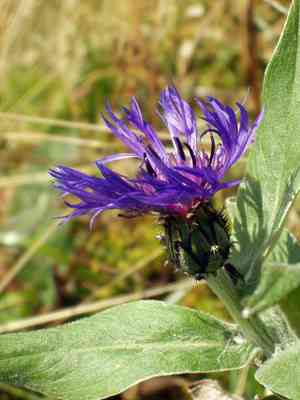
For perennial cornflower, the ideal period for relocation is after the last frost, during the mild conditions of late spring to early summer, fostering strong root establishment and adaptation. Select a sunny location with soil that drains effectively. A helpful suggestion: Providing generous room accommodates its expansive growth habit.
What Preparations are Needed Before Transplanting Perennial Cornflower?
What is the Ideal Time for Transplanting Perennial Cornflower?
Relocating perennial cornflower during the transition from late spring to early summer is optimal for its establishment. This timing allows perennial cornflower to benefit from warm soil and cooler nights, facilitating root adjustment and minimizing transplant shock. Additionally, moderate temperatures and spring moisture create an ideal environment for root growth, helping perennial cornflower to quickly and robustly settle before the peak summer heat.
How Much Space Should You Leave Between Perennial Cornflower Plants?
When moving your perennial cornflower, aim for a spacing of approximately 1-2 feet (30-60 cm) between each plant. This distance provides ample room for optimal development and for them to display their beauty.
What is the Best Soil Mix for Perennial Cornflower Transplanting?
Ensure your perennial cornflower gets the best start by utilizing fertile, well-draining soil. Incorporate a base fertilizer rich in organic matter to nourish the plants and encourage robust root development.
Where Should You Relocate Your Perennial Cornflower?
Select a site that offers full sun to partial shade for your perennial cornflower. Remember, it needs at least 6 hours of sunlight daily to thrive and produce vibrant colors.
What Equipments Should You Prepare Before Transplantation Perennial Cornflower?
Gardening Gloves
To shield your hands from sharp objects and dirt while handling perennial cornflower and soil.
Shovel or Garden Trowel
For excavating the transplanting hole and for extracting the plant from its original spot.
Watering Can or Hose
To hydrate the plant both prior to and following transplantation.
Wheelbarrow or Plant Pot
To carefully move the plant without causing damage.
Compost
To incorporate into the hole before transplanting, providing essential nutrients and enriching the soil.
Mulch
To cover the plant's base after transplanting, helping to retain soil moisture and suppress weeds.
Stakes and Gardening Twine
If the plant is large, these will offer support to prevent plant damage.
How Do You Remove Perennial Cornflower from the Soil?
How Do You Remove Perennial Cornflower from the Soil?
From Ground: Initially, saturate the perennial cornflower plant until the soil is damp to facilitate easier removal without harming the roots. Carefully dig around the plant with a shovel, maintaining a good distance to avoid severing any roots. Gently pry the plant from the ground, keeping as much of the root ball intact as possible.From Pot: Water the perennial cornflower plant in its container. Then attempt to invert the pot while supporting the plant's base, allowing it to slide out with the root ball undamaged. If it's stuck, tap the pot's sides or bottom, or roll it on the ground to loosen the soil and roots.From Seedling Tray: Begin by watering the seedlings. Carefully extract the perennial cornflower seedling by pushing up from the bottom of the cell and lifting it out, ensuring the stem remains undamaged.
Step-by-Step Guide for Transplanting Perennial Cornflower
Digging the Hole
Excavate a hole that is twice the width and equal in depth to the root ball of your perennial cornflower plant. If the soil is heavy clay or drains poorly, dig slightly shallower to prevent water from accumulating around the root ball.
Preparing the Hole
Add a layer of compost to the bottom of the hole. This will supply nutrients and help maintain moisture in the rooting area.
Placing the Plant
Position the plant in the hole, ensuring it is upright and the top of the root ball is level with or slightly above ground level.
Filling in the Hole
Backfill the hole with the excavated soil, pressing down gently to secure the plant and eliminate any air pockets.
Watering
Thoroughly water the perennial cornflower plant after transplanting to settle the soil.
Mulching
Apply a layer of mulch around the plant's base to retain moisture and keep the roots cool.
How Do You Care For Perennial Cornflower After Transplanting?
Watering
Water perennial cornflower thoroughly after planting and continue to provide consistent moisture during its initial growing season, especially during dry spells. This will encourage a deep and extensive root system. However, avoid overwatering as this can lead to root rot.
Weed Control
Keep the planting area free of weeds. Weeds compete with your perennial cornflower for water and nutrients.
Pruning
Lightly prune perennial cornflower plant to shape it after the flowers begin to fade to maintain a compact, neat form.
Disease and Pest Control
Monitor for any indications of pests or disease. Early detection can make treatment simpler and more effective.
Troubleshooting Common Issues with Perennial Cornflower Transplantation.
When is the best time to transplant perennial cornflower?
Transplanting perennial cornflower is best done during the late summer to early fall (S3-S4). It's a time when it's most likely to thrive.
What is the correct spacing between perennial cornflower plants during transplantation?
Spacing perennial cornflower plants correctly is crucial for their growth. The ideal distance is approximately 1-2 feet (30.5 cm - 61 cm).
Why is it important to water perennial cornflower immediately after transplantation?
Watering perennial cornflower after transplantation helps reduce transplant shock. It also aids in settling the soil around the roots, keeping the plant healthy!
What's the ideal soil condition to transplant perennial cornflower?
Perennial cornflower prefers well-drained soil. It's best to prepare the soil with organic matter and ensure the pH level is neutral to slightly alkaline.
My transplanted perennial cornflower is wilting, what should I do?
Don't panic! A little wilting is normal. Ensure it's watered adequately, but not overwatered. If the issue persists, it may need more shade or a mulch cover.
How deep should I plant perennial cornflower during transplantation?
The hole should be deep enough to accommodate the root ball of perennial cornflower. Generally, it should be the same depth as the pot or slightly deeper.
Do I need to prune perennial cornflower before or after transplanting?
Yes, pruning perennial cornflower before transplanting can help it focus more on root development. After transplanting, it's wise to prune any dead or diseased stems.
What if leaves of my transplanted perennial cornflower turn yellow?
Yellow leaves may indicate overwatering or nutrient deficiency. Adjust watering habits and consider a balanced slow-release fertilizer.
Why are perennial cornflower not flowering after transplantation?
Perennial cornflower may not flower immediately after transplantation as it's establishing its root system. Patience, proper care, and optimal conditions will encourage blooming.
How to protect my transplanted perennial cornflower from pests and diseases?
To protect perennial cornflower from pests and diseases, use organic pest controls when necessary and remove affected plant parts. Proper spacing also ensures good airflow which discourages disease.



