How to Transplant Cornflower?
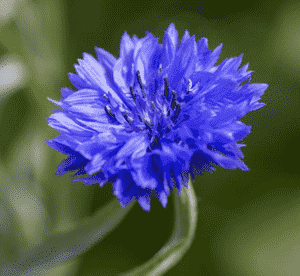
The perfect period for relocating cornflower is when fresh development begins, primarily in early spring. Select a spot that receives ample sunlight and has soil that drains effectively. Ensure you carefully loosen the root mass to encourage the best possible growth. Enjoy your transplanting!
What Preparations are Needed Before Transplanting Cornflower?
What is the Ideal Time for Transplanting Cornflower?
The optimal period for relocating cornflower is the beginning of spring, when active growth resumes. Moving cornflower at this time provides an extended, uninterrupted growth cycle. This perfect planting window allows cornflower to develop robust roots prior to the summer heat.
How Much Space Should You Leave Between Cornflower Plants?
When moving cornflower, ensure ample room for development by positioning each plant 12-18 inches (30-45 cm) apart. This provides sufficient area for cornflower to thrive and produce vibrant blooms.
What is the Best Soil Mix for Cornflower Transplanting?
Before planting cornflower, prepare a well-draining soil mixture by incorporating organic material, such as compost, if necessary. Add a general-purpose, slow-release fertilizer to establish a strong base for healthy growth.
Where Should You Relocate Your Cornflower?
Select a site with full sun exposure, ensuring cornflower receives at least 6 hours of direct sunlight daily. This aids in promoting sturdy growth as well as vibrant and abundant blooms.
What Equipments Should You Prepare Before Transplantation Cornflower?
Gardening Gloves
They protect your hands while working with soil and plants.
Trowel
A small hand tool used for digging, applying, smoothing, or moving small quantities of viscous or granular material. Ideal for lifting the cornflower from its original container or soil.
Shovel or Spade
This implement is necessary if the plant is currently in the ground and needs to be extracted.
Watering Can
To hydrate the plant before and after relocation.
Bucket or Wheelbarrow
To transport the plant and its soil.
How Do You Remove Cornflower from the Soil?
How Do You Remove Cornflower from the Soil?
From Ground: Water the cornflower thoroughly to moisten the soil. Be careful not to overwater, as this could make the lifting process messy. Once watered, dig a wide trench around the plant using your shovel or spade, ensuring the plant's root ball remains intact and undamaged. Carefully work the spade beneath the root ball, using it to lift the plant from the ground. Always lift from under the root ball to prevent damage to the plant.From Pot: Begin by watering the cornflower to loosen the soil. Then, turn the pot sideways, gently hold the plant by its stems or leaves, and tap the bottom of the pot to dislodge it. Carefully slide the plant out of the pot, taking care not to pull the plant, as this could cause root damage.From Seedling Tray: Again, ensure the cornflower is well-hydrated. Using a small tool or a spoon, carefully wedge the tool under the seedlings and lift them from the tray. Remember, never pull on the stem of cornflower, as this could cause it to break.
Step-by-Step Guide for Transplanting Cornflower
Preparation
Once the cornflower is removed from its initial spot, prepare the new hole in the ground. The hole should be as deep as the plant's root ball and twice as wide.
Positioning
Place the plant in the hole, ensuring that the top of the root ball is level with the ground surface.
Filling
Carefully backfill the hole with soil, making sure not to harm the plant's roots or stem.
Watering
Thoroughly water the cornflower after transplanting, ensuring the soil has settled and there are no air pockets.
Monitoring
Closely observe the plant for a few weeks to track its response to the relocation.
How Do You Care For Cornflower After Transplanting?
Monitoring
Keep an eye on the cornflower for several days post-transplant; it's normal for plants to show some signs of stress after being moved, but if the plant doesn't seem to recover, consult a local garden center.
Water
Water the cornflower regularly but avoid overwatering. The plant needs to dry out slightly between watering sessions.
Pruning
If you notice any browning or yellowing leaves, prune the cornflower accordingly. This helps the plant conserve energy for new growth while it adjusts to its new location.
Frost Protection
As cornflower is susceptible to frost, be sure to cover the plant if frost is anticipated.
Troubleshooting Common Issues with Cornflower Transplantation.
What's the best time of year to transplant cornflower?
Relocate cornflower in the early part of the refreshing spring season to encourage optimal growth.
How much space should be between each cornflower when planting?
Ensure you provide a healthy space of 12-18 inches (30-45 cm) for cornflower to grow without restriction.
Why are my transplanted cornflower wilting?
Wilting after relocation typically indicates stress. This could be due to insufficient watering, sunburn, or transplant shock. Keep the soil moist and initially protect from intense sunlight.
Should I water cornflower immediately after transplanting?
Yes, watering cornflower right after transplanting is vital as it helps settle the soil around the roots and alleviates transplant shock.
Why does my cornflower look stunted after transplanting?
Stunted growth can be attributed to poor soil quality, nutrient deficiency, or inadequate spacing. Ensure the soil is well-drained and nutrient-rich, and allow 12-18 inches (30-45 cm) spacing between the plants.
Can I use fertilizer after transplanting cornflower?
Indeed, you can! Fertilizing can stimulate growth. However, allow the cornflower to acclimate to its new environment first, then begin fertilizing after about a week.
What to do if the leaves of cornflower turn yellow after transplanting?
Yellowing leaves might suggest overwatering or a lack of nutrients. Ensure your watering is consistent and consider adding a balanced fertilizer to improve nutrient levels.
What can I do if the transplanted cornflower aren't flowering?
Poor flowering could be due to insufficient sunlight or nutrients. Ensure cornflower receives full sun daily and adequate nutrients from the soil or fertilizer.
Why are the transplanted cornflower drooping?
Drooping is typically a sign of under-watering. Make sure to consistently water cornflower so that the soil remains evenly moist, but not soggy or waterlogged.
How soon should cornflower show new growth after transplanting?
Cornflower should begin to show new growth in approximately 1-2 weeks after transplanting. This may vary slightly based on environmental conditions and the plant's health.



