How to Transplant Crimson fountain grass?
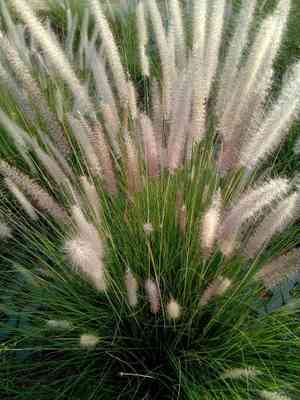
The ideal period for relocating crimson fountain grass is in mid-spring, when conditions are temperate and favorable. Select a bright spot with soil that drains effectively to encourage robust development. During the transplanting process, make sure the root mass remains undisturbed for a smooth integration into its new environment.
What Preparations are Needed Before Transplanting Crimson Fountain Grass?
What is the Ideal Time for Transplanting Crimson Fountain Grass?
The perfect period to move crimson fountain grass is from mid-spring to late spring. This timing provides crimson fountain grass with optimal environmental conditions, including sufficient moisture and warmth for robust root development. Considering this initial step can ensure a more vigorous, healthier crimson fountain grass.
How Much Space Should You Leave Between Crimson Fountain Grass Plants?
For crimson fountain grass, it's best to position young plants approximately 1-2 feet (30-60 cm) apart. This allows each plant ample room to expand and grow, guaranteeing they receive necessary nutrients and sunlight.
What is the Best Soil Mix for Crimson Fountain Grass Transplanting?
To ensure your crimson fountain grass thrives, prepare well-draining soil rich in organic material. Incorporate compost into the planting area and mix in an all-purpose granular fertilizer for a nutrient-rich foundation.
Where Should You Relocate Your Crimson Fountain Grass?
Select a sunny location for your crimson fountain grass, as it flourishes with full sun exposure. Confirm the site receives at least 6-8 hours of direct sunlight daily, enabling your plants to grow robust and strong.
What Equipments Should You Prepare Before Transplantation Crimson Fountain Grass?
Gardening Gloves
To safeguard your hands while working with the soil and crimson fountain grass.
Shovel or Spade
These are essential tools for excavating holes and extracting plants from the ground.
Garden Trowel
This implement is ideal for digging smaller holes and also for removing smaller plants from containers or seedling trays.
Watering Can/Hose
To hydrate the plant immediately following transplantation.
Mulch
Mulch can assist in retaining soil moisture and deterring weed growth around the crimson fountain grass.
Gardening Scissors
In case you need to trim the crimson fountain grass.
Wheelbarrow
For moving the plant and soil, especially if the plant is large.
How Do You Remove Crimson Fountain Grass from the Soil?
How Do You Remove Crimson Fountain Grass from the Soil?
From The Ground: To extract the crimson fountain grass from the ground, first, water the plant to moisten the soil. Next, use a shovel or spade to dig a wide circle around the plant, ensuring the plant's root ball remains intact. Carefully lift the plant along with its root ball from the ground.From a Pot: If the crimson fountain grass is in a pot, water it thoroughly. Turn the pot on its side, gently tapping its rim on a firm surface. This will loosen the plant, allowing it to slide out, taking care not to harm the root ball.From a Seedling Tray: If your crimson fountain grass is in a seedling tray, water it. Gently push up the base of the tray beneath the plant to remove it with the attached soil. Avoid pulling on the plant as this could cause damage.
Step-by-Step Guide for Transplanting Crimson Fountain Grass
Plant removal
Extract the crimson fountain grass from its original spot as detailed above, keeping the root ball undisturbed.
Digging
Use a shovel or spade to excavate a hole in the new location. The hole should be twice as wide and as deep as the root ball.
Transplanting
Place the crimson fountain grass into the hole. The plant should be at the same depth as it was in its initial location. After positioning, backfill the hole around the root ball with the excavated soil, gently firming it. Avoid covering the stem or leaves.
Watering
Water the crimson fountain grass immediately after transplanting. This will help settle the soil around the roots.
Mulching
Apply some mulch around the plant, but not touching the stem, to conserve moisture and inhibit weed growth.
How Do You Care For Crimson Fountain Grass After Transplanting?
Watering
Water the crimson fountain grass regularly to maintain soil moisture, especially during the initial weeks post-transplant to encourage root establishment.
Pruning
If the crimson fountain grass becomes excessively tall or leggy, feel free to trim it back. Prune older leaves to stimulate new growth.
Monitoring
Observe your crimson fountain grass for signs of stress, such as wilting or leaf drop. Should these occur, increase watering frequency and provide protection from harsh weather until the plant has acclimated to its new spot and begins to grow again.
Fertilizing
Wait until the plant exhibits signs of new growth, indicating establishment, before applying fertilizer.
Troubleshooting Common Issues with Crimson Fountain Grass Transplantation.
When is the best time to transplant crimson fountain grass?
The optimal time to transplant your crimson fountain grass is from mid-spring to late spring when soil temperatures have risen. This allows the plant ample time to establish itself before winter.
What is the recommended spacing when transplanting crimson fountain grass to ensure healthy growth?
Sufficient space is crucial for growth. Ideally, position each crimson fountain grass 1-2 feet (30-60 cm) apart. This provides room for roots to spread and foliage to develop unhindered.
Why is my transplanted crimson fountain grass showing signs of wilting?
Wilting after transplantation often results from water stress. Check the soil moisture. If it's too dry, water more frequently. If it's overly saturated, allow it to dry out and adjust your watering schedule accordingly.
What type of soil does crimson fountain grass prefer?
Crimson fountain grass thrives in well-drained, moderately fertile soil. It's not particular, but it cannot tolerate waterlogged conditions. Incorporate some organic compost when preparing the soil for transplantation.
Should I prune crimson fountain grass when transplanting?
Removing some foliage during transplantation can reduce water loss, but crimson fountain grass typically doesn't require extensive pruning. Lightly prune to shape the plant and remove any dead or damaged leaves.
What should I do if the transplanted crimson fountain grass doesn't show new growth?
Firstly, be patient. Sometimes, crimson fountain grass needs time to establish itself after transplantation. Ensure it's receiving adequate light and water, but avoid overwatering. If no progress is observed, consider testing the soil's pH or nutrient levels.
My crimson fountain grass has yellowing leaves after transplantation. What's going wrong?
Yellowing leaves may indicate excessive water or a nutrient deficiency. Evaluate your watering routine and ensure it aligns with the plant's requirements. Supplement with a slow-release granular fertilizer if necessary.
How deep should I dig when transplanting crimson fountain grass?
Excavate a hole as deep as the root ball and twice its width. The plant should sit at the same level in the new location as it did in its original spot to prevent root suffocation.
Can I transplant crimson fountain grass in the summer?
Crimson fountain grass is a heat-loving plant; however, transplanting in the peak of summer could induce stress. The ideal transplant window spans from mid-spring to late spring for optimal results.
How to approach watering the crimson fountain grass after transplantation?
Water your transplanted crimson fountain grass thoroughly immediately after planting, then adjust to a regular schedule, typically once a week. The goal is to keep the soil moist, but not soggy, for the initial few weeks.



