How to Transplant Plumed cockscomb?
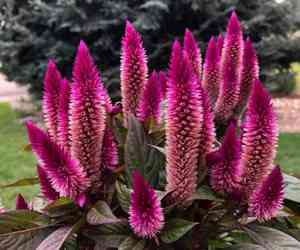
For a robust beginning for plumed cockscomb, transplant it when the sun's warmth is consistent, preferably in late spring. Choose locations with ample sunlight, ensuring root protection during relocation. A helpful tip: the prosperity of plumed cockscomb depends on thoughtfully selecting its bright new home.
What Preparations are Needed Before Transplanting Plumed Cockscomb?
What is the Ideal Time for Transplanting Plumed Cockscomb?
The best time to move plumed cockscomb to your garden is at the peaceful start of summer, generally once the last frost has passed. This ensures the mild warmth and longer days greatly assist plumed cockscomb in settling, leading to more vigorous growth. Transplanting then utilizes the benefit of warmer soil, which encourages quicker root development and a smooth transition for plumed cockscomb from container to garden bed, setting the stage for a stunning display of vibrant blooms.
How Much Space Should You Leave Between Plumed Cockscomb Plants?
Ensure plumed cockscomb has ample room to flourish by placing them 1-2 feet (0.3-0.6 meters) apart. This spacing promotes proper root and foliage development. Happy planting!
What is the Best Soil Mix for Plumed Cockscomb Transplanting?
For plumed cockscomb, utilize well-draining soil thoroughly mixed with compost or other organic matter as a foundational fertilizer. This combination supplies abundant nutrients, fostering their healthy development! Keep it natural; it works wonders.
Where Should You Relocate Your Plumed Cockscomb?
Plumed cockscomb thrives in bright sunshine! Therefore, select a spot that receives full sun, meaning 6 or more hours of direct sunlight daily. Your little sun-lover will be radiant in no time!
What Equipments Should You Prepare Before Transplantation Plumed Cockscomb?
Gardening Gloves
To safeguard your hands while handling soil and plumed cockscomb.
Trowel
A small garden tool used for digging holes, ideal for transplanting.
Pruning Shears
To trim any unhealthy-looking roots prior to transplanting.
Watering Can
For keeping plumed cockscomb adequately hydrated immediately after the transplant.
Rooting Hormone
To stimulate root growth and help plumed cockscomb quickly establish in its new location.
How Do You Remove Plumed Cockscomb from the Soil?
How Do You Remove Plumed Cockscomb from the Soil?
From Ground: First, water the plumed cockscomb plant gently but sufficiently to moisten the soil. Use a trowel or gardening spade to dig around the plant far enough to keep the root ball intact. Carefully lift the plant from the ground with the trowel. From Pot: Begin by gently watering plumed cockscomb to make it easier to handle. Place your hand on top of the soil with the plant stem between your fingers. Then, invert the pot to allow the plant to slide out with the root ball and soil undisturbed. From Seedling Tray: Water the tray before you begin. Flex the plastic cell tray to loosen the soil and push up from the bottom to extract your seedlings.
Step-by-Step Guide for Transplanting Plumed Cockscomb
Gentle Handling
Carefully manage the plumed cockscomb's root ball when extracting it from its initial container, minimizing damage to the roots as much as possible.
Digging Right Hole
Excavate a hole in the new spot about twice as wide but the same depth as the root ball.
Placement
Position the plumed cockscomb plant in the center of the hole, ensuring the top of the root ball is level with the surrounding soil surface.
Backfilling
Refill the hole with soil, avoiding any air pockets around the roots.
Watering
Water the plant generously after transplanting to encourage plumed cockscomb to settle into its new environment.
How Do You Care For Plumed Cockscomb After Transplanting?
Consistency
Ensure your plumed cockscomb continues to receive regular attention, especially regarding watering, which should be done daily for the initial one to two weeks.
Weather Conditions
Monitor the weather. Extreme heat, wind, or cold can add extra stress to plumed cockscomb. On very hot days, a shade cloth can be used to protect the plant.
Pinching
Pinch off the tips of the plumed cockscomb once it has settled in its new location to promote branching and fuller growth.
Pest Control
Watch for any indications of pests or diseases so they can be managed before any significant harm is done to your plumed cockscomb.
Troubleshooting Common Issues with Plumed Cockscomb Transplantation.
When is the best time to transplant plumed cockscomb?
The optimal period to transplant plumed cockscomb is during the season designated as 'S3'. This is when conditions are most favorable for the plant's growth and development.
What is the recommended spacing for plumed cockscomb during transplantation?
When transplanting plumed cockscomb, you should maintain a distance of approximately 1-2 feet (30.48-60.96 cm) between plants. This provides them with ample room to grow and thrive.
What type of soil should I use when transplanting plumed cockscomb?
Plumed cockscomb prefers soil that drains well. Ensure the soil you use is rich in organic matter to supply sufficient nutrients and does not retain too much water, which can harm the plant's roots.
What should be the depth of the hole while transplanting plumed cockscomb?
The hole should be deep enough to accommodate the root ball. Typically, 1-2 times the height of the root ball or 6-8 inches (15-20 cm) would be appropriate.
How do I prepare plumed cockscomb for transplanting?
Before transplanting, water plumed cockscomb thoroughly. This ensures the plant's roots will be well-hydrated during the process, minimizing transplant shock.
Should I trim plumed cockscomb before transplanting?
Trimming is not essential. However, you can remove any damaged or diseased parts if present. This maintains the overall health of plumed cockscomb and prevents the spread of diseases.
What's the best way to transplant plumed cockscomb without damaging the roots?
Handle plumed cockscomb with care when removing it from its current pot. Gently loosen the soil, hold it from the base, and lift. Avoid pulling or tugging harshly on the stems.
Do I need to water plumed cockscomb right after transplanting?
Yes, you should water plumed cockscomb immediately after transplantation. This helps ensure the roots make good contact with the soil and also reduces transplant shock.
How often should I water plumed cockscomb after transplantation?
Water plumed cockscomb consistently for the first few weeks following transplantation. Depending on temperature and humidity, this could range from daily to every few days, but be careful not to overwater.
What should I do if plumed cockscomb shows signs of wilting after transplantation?
If your plumed cockscomb begins to wilt shortly after transplantation, it may be experiencing transplant shock. Ensure it has sufficient water and try to minimize temperature extremes. If the condition worsens, consult a local nursery or gardening expert.



