How to Transplant Oriental bittersweet?
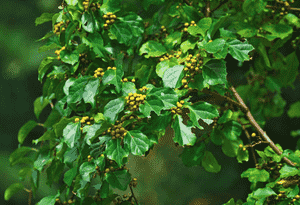
The ideal period for relocating oriental bittersweet is from late spring through mid-summer, facilitating peak growth in warmer environments. Select a site that receives ample sunlight or some shade, and features fertile, well-draining earth. Ensure oriental bittersweet is generously watered following its transfer to encourage proper rooting.
What Preparations are Needed Before Transplanting Oriental Bittersweet?
What is the Ideal Time for Transplanting Oriental Bittersweet?
The optimal period for relocating oriental bittersweet spans from late spring through mid-summer, as this offers prime growing conditions. Moving the plant during this window encourages robust establishment, enhanced development, and a more resilient specimen better able to withstand potential stresses.
How Much Space Should You Leave Between Oriental Bittersweet Plants?
When moving oriental bittersweet, it's best to position them approximately 15-20 feet (4.5-6 meters) apart. This provides ample room for the plant to expand and flourish, ensuring a vibrant and attractive display.
What is the Best Soil Mix for Oriental Bittersweet Transplanting?
For oriental bittersweet, prepare the ground by mixing in well-draining loamy or sandy soil. It's also beneficial to incorporate some compost or aged manure, which acts as a foundational fertilizer, supplying essential nutrients.
Where Should You Relocate Your Oriental Bittersweet?
Select a site for transplanting oriental bittersweet that receives either full sun or partial shade to guarantee optimal growth. By doing so, your plant will receive the correct amount of light for both blooming and vigorous development.
What Equipments Should You Prepare Before Transplantation Oriental Bittersweet?
Gardening Gloves
To safeguard your hands while handling the soil and oriental bittersweet plant.
Shovel or Spade
For digging the new planting hole and carefully extracting the oriental bittersweet from its original spot.
Pruning Shears
To snip off any damaged or excessively long roots.
Trowel
To fine-tune the transplant hole and for backfilling soil.
Watering Can or Hose
To hydrate the oriental bittersweet during and after its relocation.
Mulch
To assist in retaining soil moisture following transplantation.
Stakes (optional)
To offer support for the oriental bittersweet if required after moving it.
How Do You Remove Oriental Bittersweet from the Soil?
How Do You Remove Oriental Bittersweet from the Soil?
- From Ground:First, moisten the oriental bittersweet plant to soften the soil, making it easier to excavate and remove without disturbing the root ball. Use a shovel or spade to dig a wide trench around the plant, ensuring you loosen the soil at least 8-12 inches from the base to avoid damaging the plant's root ball. Carefully work the spade beneath the root ball to lift the plant from its initial location.- From Pot:Water the container to facilitate easier removal of the oriental bittersweet along with its root ball. Gently tilt the pot sideways and tap the bottom to help release the plant and root ball. Hold the base of the plant and carefully untangle any circling roots.- From Seedling Tray:Water the seedling tray before attempting to move the oriental bittersweet. Gently use your fingers or a small spoon to lift each seedling from the tray, making sure to keep as much of the root system intact as possible.
Step-by-Step Guide for Transplanting Oriental Bittersweet
Site Selection
Choose an appropriate spot with sufficient room to accommodate the mature size of the oriental bittersweet plant.
Hole Digging
Excavate a hole that is twice as wide and slightly deeper than the oriental bittersweet's root ball using a shovel or spade.
root Trimming
Examine the plant's root system and use pruning shears to remove any damaged or overly long roots.
Hole Preparation
Mix some compost into the removed soil to enrich the planting area. Add a small amount of this amended soil back into the hole to form a mound.
Plant Placement
Lower the oriental bittersweet's root ball into the hole, gently spreading its roots over the mound. Ensure the plant is at the same soil level as it was in its original spot.
Backfill Soil
Use a trowel to refill the hole with the amended soil, gently firming it down around the root ball to eliminate air pockets.
Watering
Slowly irrigate the oriental bittersweet, allowing the water to permeate the soil to reduce air pockets and settle the plant.
Mulching
Apply a 2-3-inch layer of mulch around the plant, leaving a small gap around the stem to prevent rot.
Staking (optional)
If your oriental bittersweet plant is tall or requires additional support, insert a stake into the ground and gently tie the stem to it.
How Do You Care For Oriental Bittersweet After Transplanting?
Watering
Maintain consistent soil moisture around the oriental bittersweet for the initial few weeks post-transplant, being careful not to overwater and create soggy conditions.
Monitor Growth
Observe the oriental bittersweet's development and health, looking for indications of transplant shock, such as wilting or yellowing foliage. If the plant shows signs of stress, consider providing extra support or adjusting watering practices.
Protection
Shield the newly transplanted oriental bittersweet from harsh weather conditions, such as strong winds or intense sunlight, by utilizing temporary shade or windbreaks if necessary.
Fertilization
Wait for 4-6 weeks before applying a slow-release fertilizer to the oriental bittersweet plant, adhering to the manufacturer's guidelines.
Pruning
Regularly inspect the oriental bittersweet for dead, damaged, or diseased branches and remove them, helping the plant direct its energy towards establishing strong roots and new growth.
Troubleshooting Common Issues with Oriental Bittersweet Transplantation.
When should I transplant oriental bittersweet for best results?
Relocate oriental bittersweet in late spring to mid-summer, allowing ample time for root establishment before winter.
What is the ideal spacing for transplanting oriental bittersweet?
Maintain a distance of 15-20 feet (4.6-6 meters) between oriental bittersweet plants when transplanting to ensure healthy growth.
How deep should I dig the hole when transplanting oriental bittersweet?
Excavate a hole 2-3 times the width and the same depth as the root ball to provide oriental bittersweet with adequate space.
Do I need to add soil amendments before transplanting oriental bittersweet?
Incorporate organic material, such as compost or aged manure, to enhance soil fertility and structure for oriental bittersweet.
How much water is required after transplanting oriental bittersweet?
Water thoroughly post-transplant, ensuring consistent soil moisture until oriental bittersweet develops a strong root system.
Should I add mulch around the base of oriental bittersweet?
Apply 2-4 inches (5-10 cm) of mulch, like shredded bark, to conserve moisture and suppress weeds.
How can I control the spread of oriental bittersweet during transplanting?
To manage spread, remove any unwanted seedlings and monitor oriental bittersweet for signs of overgrowth in the area.
How do I protect the roots of oriental bittersweet during transplanting?
Gently untangle the roots and handle the root ball with care to minimize damage during transplantation.
What's the best way to support the transplant of oriental bittersweet?
Provide support using stakes or a plant cage if needed, to ensure an upright growth habit.
Do I need to prune oriental bittersweet after transplanting?
Delay pruning oriental bittersweet until the dormant season, typically late winter to early spring, for optimal outcomes.



