How to Transplant Deodar cedar?
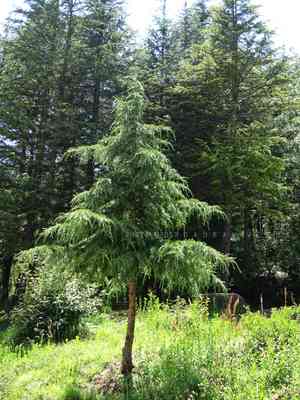
The most suitable period for relocating deodar cedar is from mid-spring to early summer or from early to late winter, as these times align with the plant's peak development. Select a site that receives ample sunlight and possesses soil with good drainage. Careful manipulation throughout the transplantation procedure is crucial for deodar cedar to establish successfully in its new spot.
Essential Preparations Before Relocating Deodar Cedar?
Optimal Period for Deodar Cedar Relocation?
The best time to move deodar cedar is from mid-spring through early summer, or from early winter to late winter. These periods offer ideal conditions for growth, allowing roots ample time to establish before harsh weather. This timing also ensures the plant has a full growing season to recover prior to blooming. Gardeners will certainly appreciate these advantages.
Required Spacing Between Deodar Cedar Plants?
For deodar cedar, it's best to allow generous room for growth; aim for a distance of approximately 15-30 feet (4.5-9 meters) between plants when moving them.
Ideal Soil Blend for Deodar Cedar Relocation?
Prepare well-draining soil, a mix of sand or loam, enriched with organic material like compost. Incorporate a slow-release fertilizer or aged manure to supply vital nutrients.
Choosing a New Location for Your Deodar Cedar?
When relocating deodar cedar, select a site with full sun or partial shade, ensuring at least 6 hours of direct sunlight daily for robust development.
Equipment Needed Before Deodar Cedar Relocation?
Gardening Gloves
To safeguard your hands while handling soil and the plant.
Shovel or Spade
For excavating holes and extracting the plant's root ball from its original spot.
Pruning Shears
To trim any damaged or superfluous roots or branches.
Watering Can or Hose
To hydrate the plant before and after its move.
Wheelbarrow or Large Container
For transporting the plant and its root ball.
Compost or Organic Matter
To blend with existing soil, enhancing its structure and providing plant nutrients.
Stakes and Ties (Optional)
To offer support to the plant if necessary.
How to Extract Deodar Cedar from the Ground?
How to Extract Deodar Cedar from the Ground?
From Ground: First, moisten the deodar cedar's soil. Then, dig a wide trench around the plant with a shovel or spade, ensuring the root ball stays intact. Carefully work the spade beneath the root ball to lift the plant from its initial position.From Pot: Water the deodar cedar thoroughly to loosen the soil. Gently tilt the container and carefully slide the plant, with its root ball, out of the pot.From Seedling Tray: Dampen the soil in the tray if it's not already moist. Gently loosen the soil around the seedling, taking care not to harm the roots. Carefully lift the entire seedling, including the root ball, using a small spoon or transplanting trowel.
Detailed Steps for Relocating Deodar Cedar
Preparation
Select a site with adequate space and appropriate sunlight for your deodar cedar to flourish. Dig a hole twice the width and the same depth as the plant's root ball, using a shovel or spade.
Soil Enhancement
Combine equal parts compost or organic matter with the native soil removed from the hole.
Placement
Carefully position the deodar cedar into the hole, ensuring the top of the root ball is level with the surrounding ground. Adjust hole depth as required.
Backfilling
Refill the hole with the improved soil mixture, gently compacting the soil to eliminate air pockets as you fill.
Watering
Thoroughly water the deodar cedar to help the soil settle and establish root-to-soil contact.
Staking (Optional)
If your deodar cedar needs extra support, insert stakes around the plant and loosely tie with soft ties, allowing room for growth.
Post-Relocation Care for Deodar Cedar
Watering
Maintain consistent soil moisture around the deodar cedar, avoiding sogginess, for the initial weeks after relocation to encourage strong root development.
Mulching
Apply a 2-3 inch layer of organic mulch around the plant's base to help retain moisture and stabilize soil temperature.
Pruning
Trim any dead or damaged branches and maintain the deodar cedar's shape as it grows.
Feeding
Fertilize with a balanced, slow-release fertilizer in spring and fall to support healthy growth and development.
Pest and Disease Management
Regularly inspect the plant for signs of pests or diseases and treat as necessary with organic or chemical solutions.
Addressing Common Issues with Deodar Cedar Relocation.
When is the best time to move deodar cedar?
The ideal period for relocating deodar cedar is from mid-spring to early summer or early winter to late winter. This allows the plant ample time to establish its roots.
What is the recommended spacing for multiple deodar cedar plants?
Please maintain a distance of approximately 15-30 feet (4.5-9.1 meters). This provides each deodar cedar sufficient room to grow without interference.
How deep should the hole be when relocating deodar cedar?
The hole should be twice the width of the root ball and equally deep. This ensures ample space for the roots to spread comfortably.
What soil type is best for deodar cedar relocation?
Deodar cedar thrives in well-draining soil rich in organic matter. Ensure your garden soil is neither too sandy nor too clayey for optimal conditions.
How to handle deodar cedar's root ball during relocation?
Deodar cedar's root ball should be handled with care. Avoid excessive contact or damage to the roots, as they are vital for the plant's survival after relocation.
What is the watering schedule after relocating deodar cedar?
Keep the soil consistently moist, but not waterlogged. Overwatering can lead to root rot. Monitor soil moisture to determine when to water again.
Should deodar cedar be fertilized after relocation?
It's not immediately necessary. Wait until new growth appears, then apply a balanced slow-release fertilizer at the recommended rate to stimulate healthy development.
How should I protect the relocated deodar cedar from frost?
Once temperatures drop below 32°F (0°C), consider adding mulch around the base and installing a protective cover to shield the plant from frost damage.
What signs indicate deodar cedar is not adapting well to relocation?
Browning or yellowing foliage, wilting, or a general lack of growth could suggest your deodar cedar is struggling. This might be due to shock or other environmental factors.
What can I do if my deodar cedar is not thriving after relocation?
Firstly, remain optimistic! Investigate potential problems such as insufficient watering, sunlight, nutrients, or pests. Addressing these promptly, with expert advice if needed, can make a significant difference.



