How to Transplant Blueblossom?
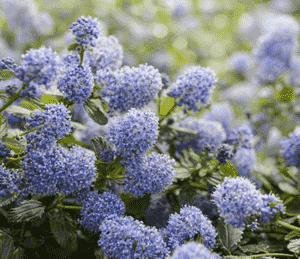
The ideal period for relocating blueblossom falls between the middle and end of spring, or from the close of autumn through the end of winter. During these times, the plant most effectively anchors its root system. Select a site featuring soil that drains efficiently and receives sufficient sunlight. Ensure consistent watering of blueblossom following its relocation to encourage peak development.
What Preparations are Needed Before Transplanting Blueblossom?
What is the Ideal Time for Transplanting Blueblossom?
The optimal period to relocate your blueblossom spans from mid-spring to late spring, or during the transition from autumn to early winter. This timing minimizes transplant shock for blueblossom, facilitating its smooth adjustment. These suggested windows reduce environmental stress and promote robust root development, ensuring vigorous growth.
How Much Space Should You Leave Between Blueblossom Plants?
When relocating your blueblossom, aim to position them approximately 6 feet (1.8 meters) apart. This spacing provides ample room for their growth and the display of their beautiful blue blossoms!
What is the Best Soil Mix for Blueblossom Transplanting?
For the perfect soil foundation for your blueblossom, select a well-draining, loamy soil blend. Incorporate a slow-release fertilizer to supply your plants with essential nutrients for strong, healthy development.
Where Should You Relocate Your Blueblossom?
Your blueblossom will flourish in a spot that receives full sun to partial shade. Ensure the chosen location gets at least 4-6 hours of sunlight daily for peak growth and vibrant blooms!
What Equipments Should You Prepare Before Transplantation Blueblossom?
Gardening Gloves
To safeguard your hands while handling soil and the plant.
Shovel or Spade
For excavating a new hole for blueblossom and extracting the plant from its original spot.
Trowel
Used for more precise digging and moving soil around the root ball.
Watering Can or Hose
To hydrate blueblossom both before and after its relocation.
Pruner or Shears
For trimming any damaged or broken roots.
Wheelbarrow or Container
To safely move the plant.
How Do You Remove Blueblossom from the Soil?
How Do You Remove Blueblossom from the Soil?
From Ground: First, moisten the blueblossom plant's soil. This helps the root ball stay intact during excavation. Next, dig a wide trench around the plant with a shovel or spade, keeping a good distance from the root ball. Carefully work the spade beneath the root ball to lift the plant from its initial position.From Pot: Gently compress or tap the pot's sides to loosen the root ball. Slowly slide the blueblossom plant out of its container, supporting the root ball with your hand. Be careful not to harm the roots.From Seedling Tray: Carefully lift the blueblossom seedling from its cell by grasping the leaves or a lower stem, not the main stem. Use a trowel or spoon to gently scoop out the seedling along with its root ball.
Step-by-Step Guide for Transplanting Blueblossom
Site Selection
Choose a location with adequate sunlight and room for your blueblossom plant to reach its full mature size.
Digging the Hole
Using a shovel or spade, excavate a hole twice as wide and as deep as the blueblossom's root ball. Ensure the hole's sides are loose to facilitate root penetration.
Preparing the Root Ball
Trim any damaged or broken roots with pruners or shears, and gently separate some of the circling roots if the plant is root-bound.
Placing the Plant
Position the blueblossom in the hole so the top of the root ball is level with the surrounding soil. Spacing needs vary, so ensure ample room for the plant's growth.
Filling the Hole
Backfill the hole with native soil or an appropriate soil mix, gently firming it down to minimize air pockets. Ensure the root ball is completely covered.
Watering
Thoroughly water the blueblossom to settle the soil around its roots. This also aids in eliminating air pockets.
How Do You Care For Blueblossom After Transplanting?
Watering
Keep the soil around the blueblossom consistently damp, but not waterlogged, for the initial weeks post-transplant to encourage strong root development.
Mulching
Apply a 2-3 inch layer of organic mulch around the blueblossom's base, leaving a small gap near the stem to prevent rot. This helps retain moisture, suppress weeds, and maintain stable soil temperature.
Fertilizing
Avoid fertilizing immediately after transplanting, as this can induce stress and root burn. Instead, fertilize your blueblossom according to its recommended schedule and soil test results, if applicable.
Monitoring
Observe the blueblossom plant's health, looking for any indications of pests, diseases, or general stress. Address these issues promptly, following best practices for plant care and specific to your blueblossom.
Troubleshooting Common Issues with Blueblossom Transplantation.
What's the ideal time of year to transplant blueblossom?
The optimal period to move blueblossom is between mid-spring and late spring, or from late autumn to late winter.
What is the optimal distance I should leave between each blueblossom when transplanting?
You should ideally plant blueblossom at a distance of about 6 feet (1.83 meters) apart from each other.
How can I ensure the successful transplantation of blueblossom if conditions are dry?
Ensure that blueblossom is adequately watered prior to and after transplanting, particularly in dry conditions. Also, consider mulching to retain moisture.
What type of soil is best for transplanting blueblossom?
Blueblossom prefers well-draining soil. If your soil is heavy clay or sandy, consider amending it before transplanting for better results.
Why does my transplanted blueblossom seem to be wilting or drooping?
It's likely to be transplant shock. Make sure to water it adequately and protect it from extreme temperatures for a few days after transplanting.
Do I need to prune blueblossom before transplanting, and if so, how extensively?
Light pruning can help blueblossom become established after transplanting. Avoid heavy pruning, as it can lead to stress for the plant.
What's the appropriate depth for transplanting blueblossom?
The transplant hole should be deep enough to fully accommodate the root ball of the blueblossom. The top should be level with the ground surface.
Can I transplant blueblossom in a pot rather than in the ground?
Yes, blueblossom can be transplanted to a pot. Ensure the pot is large enough and has good drainage to prevent waterlogging.
What care does blueblossom need immediately after transplanting?
Water blueblossom generously after transplanting. Avoid fertilization immediately after transplanting, as the roots are sensitive till they adjust to the new soil.
My blueblossom isn't growing even weeks after transplant- what might be wrong?
Check for signs of disease or pests. It might be due to improper watering, too much or too little sun, or heavy soil causing root rot.



