How to Transplant Redstem ceanothus?
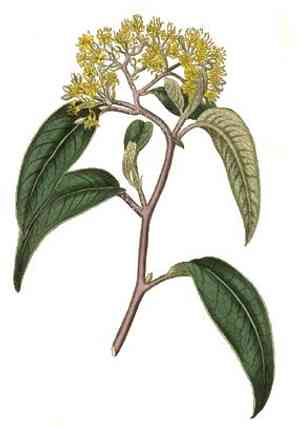
Redstem ceanothus flourishes optimally when transplanted from late spring to early summer, as this timeframe encourages strong root development. Provide a bright spot with soil that drains effectively. Essential transplant advice: hydrate thoroughly after moving to aid root recuperation.
What Preparations are Needed Before Transplanting Redstem Ceanothus?
What is the Ideal Time for Transplanting Redstem Ceanothus?
The best period for relocating redstem ceanothus is during the initial to middle summer months. Moving it then allows the plant to develop robust roots in the warm ground and benefit from ample summer sunlight, boosting growth and improving survival rates.
How Much Space Should You Leave Between Redstem Ceanothus Plants?
When moving redstem ceanothus, position each plant 4 to 6 feet (1.2 to 1.8 meters) apart to provide ample room for development. This ensures proper air circulation and helps prevent overcrowding.
What is the Best Soil Mix for Redstem Ceanothus Transplanting?
For redstem ceanothus, prepare soil that drains well with a slightly acidic to neutral pH (5.5 to 7.0). Incorporate a foundational fertilizer, such as compost or aged manure, to enrich the soil and support healthy root growth.
Where Should You Relocate Your Redstem Ceanothus?
Redstem ceanothus thrives in full sun, so select a spot that gets at least 6 to 8 hours of direct sunlight daily. This helps the plant grow strong and healthy.
What Equipments Should You Prepare Before Transplantation Redstem Ceanothus?
Gardening Gloves
To safeguard your hands while handling soil and plants.
Shovel or Spade
For excavating the plant from its initial spot.
Trowel
For preparing the new site by digging and loosening the earth.
Watering Can or Hose
For hydrating the plant prior to and following its relocation.
Pruners or Gardening Scissors
To trim any damaged roots or branches.
Wheelbarrow or Plant Pot
To move the plant if necessary.
How Do You Remove Redstem Ceanothus from the Soil?
How Do You Remove Redstem Ceanothus from the Soil?
From Ground: First, hydrate the redstem ceanothus plant to thoroughly moisten the soil. Next, dig a wide trench around the plant using a shovel or spade, ensuring the plant's root ball stays intact. Carefully work the spade beneath the root ball to lift the plant from its original spot without harming the roots.From Pot: Water the redstem ceanothus plant thoroughly. Gently tap the pot's sides to loosen the soil. Carefully tilt the pot sideways, supporting the plant with one hand while easing it out with the other. Be careful to keep the root ball whole.From Seedling Tray: Water the seedling tray to ensure the soil is damp. Use a small trowel or your fingers to gently lift each seedling from the tray, making sure to handle the plant by its leaves to avoid damaging the delicate stem and roots.
Step-by-Step Guide for Transplanting Redstem Ceanothus
Preparation
Water the redstem ceanothus plant and its new planting location. Ensure the soil at the new site is loose and ready to receive the plant.
Digging the Hole
Excavate a hole at the new site that is twice as wide and equally as deep as the redstem ceanothus plant's root ball.
Inspection and Pruning
Examine the redstem ceanothus plant's roots and trim any damaged or overly long roots using pruners or gardening scissors.
Planting
Place the redstem ceanothus plant into the hole, making sure it sits at the same depth it was growing before. Fill in the hole around the plant with soil, gently pressing it down to eliminate air pockets.
Watering
After planting, thoroughly water the redstem ceanothus plant to help settle the soil around its roots.
How Do You Care For Redstem Ceanothus After Transplanting?
Watering
Keep the soil around the redstem ceanothus consistently damp, but not waterlogged, for the initial weeks after transplanting to aid in root establishment.
Mulching
Apply a layer of mulch around the base of the redstem ceanothus plant to retain moisture and suppress weeds.
Monitoring
Regularly check the redstem ceanothus plant for indications of stress or transplant shock, such as wilting or discolored foliage. Address any issues promptly with appropriate care.
Troubleshooting Common Issues with Redstem Ceanothus Transplantation.
When is the best time to transplant redstem ceanothus?
The optimal period to relocate redstem ceanothus is from early to mid-summer for best outcomes.
How much space should be left between redstem ceanothus plants?
Maintain a distance of 4 to 6 feet (1.2 to 1.8 meters) between each redstem ceanothus plant.
What type of soil is ideal for transplanting redstem ceanothus?
Select well-drained, sandy or loamy soil for redstem ceanothus to flourish after transplanting.
How deep should the planting hole be for redstem ceanothus?
Dig a hole twice as wide and as deep as the redstem ceanothus's root ball.
How do you prepare redstem ceanothus for transplanting?
Water redstem ceanothus thoroughly the day before, then gently loosen its roots prior to planting.
What should you do if redstem ceanothus shows signs of wilting after transplanting?
Ensure consistent watering and provide temporary shade to help redstem ceanothus recover from wilting.
How often should redstem ceanothus be watered after transplanting?
Water redstem ceanothus deeply once a week, ensuring the soil stays moist but not saturated.
Can redstem ceanothus be transplanted in full sun?
Yes, redstem ceanothus can be moved to a full sun location, which promotes healthy growth and blooming.
Should you fertilize redstem ceanothus immediately after transplanting?
Avoid fertilizing redstem ceanothus right away; wait a few weeks to lessen the risk of transplant shock.
How can you protect redstem ceanothus from transplant shock?
Water adequately, mulch around the base, and avoid extreme temperatures to shield redstem ceanothus from shock.



