How to Transplant Blue cohosh?
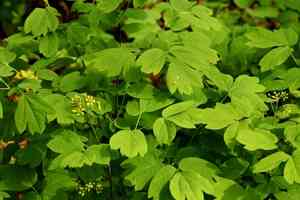
For blue cohosh, the optimal period for relocation is mid-spring, which guarantees vigorous development. Position them in a shaded spot with damp earth. When separating, gently manage their delicate roots to prevent harm.
Essential Preparations Before Relocating Blue Cohosh
Optimal Timing for Blue Cohosh Relocation
The prime window for relocating blue cohosh is typically from mid-April to early May, as the earth emerges from winter. This period allows the roots to settle into the still-cool soil, fostering vigorous development. Placing blue cohosh in your garden during this season aligns with its natural growth cycle, promoting its ability to thrive. The mild weather and sufficient moisture provide an ideal environment for blue cohosh's delicate roots, ensuring a smooth transition to its new home. Embrace this time of renewed growth to help your blue cohosh establish itself with strength and elegance.
Recommended Spacing Between Blue Cohosh Plants
When preparing to move your blue cohosh, remember they require adequate room to flourish. Aim for a separation of 1-2 feet (approximately 30-60 centimeters) between each plant. This ensures they have ample space for growth.
Ideal Soil Blend for Blue Cohosh Relocation
Blue cohosh thrives best in soil that is rich in organic matter and drains effectively. Prior to transplanting, enrich the soil with a foundational fertilizer. Incorporating composted leaves or well-rotted animal manure will provide essential nutrients for your new plantings.
Selecting the New Location for Your Blue Cohosh
Choose a garden spot where your blue cohosh can receive ample sunlight without being scorched. Partial shade is ideal, as intense, direct sun exposure can harm the plants. Happy transplanting!
Tools Required for Blue Cohosh Transplantation
Gardening Gloves
These will safeguard your hands from dirt and minor injuries when handling blue cohosh and its root system.
Shovel or Spade
An essential tool for excavating the hole where blue cohosh will be moved, and for extracting the plant from its original spot.
Hose or Watering Can
To provide water to the plant during the relocation process, keeping the root system hydrated.
Mulch
Mulch will assist the soil around your blue cohosh in retaining moisture post-transplantation.
Stakes and Ties
Depending on the size of the blue cohosh and its exposure to wind, stakes and ties may be necessary to support the plant during its initial period after transplanting.
Method for Extracting Blue Cohosh from the Soil
Method for Extracting Blue Cohosh from the Soil
From Ground: To remove blue cohosh from the ground, begin by watering the area around the plant to moisten the soil. Using a shovel or spade, carefully dig around the plant, taking care not to damage the roots. Once a trench is formed, work the spade beneath the root ball and gently lift it from the ground.From Pot: If blue cohosh is cultivated in a pot, it's crucial to avoid root damage during removal. Start by watering the soil in the pot to loosen it, then turn the pot sideways, hold the plant gently, and pull out the root ball. If the plant is firmly rooted, tap the sides or lightly press the bottom to dislodge it.From Seedling Tray: For blue cohosh seedlings, water the tray and gently grasp the seedling by its leaves, not the stem. With a dibber or similar tool, carefully loosen the root ball and lift it from the tray.
Step-by-Step Guide for Relocating Blue Cohosh
Preparation
Prepare the new planting site by digging a hole twice as wide and slightly deeper than the blue cohosh's root ball. If your soil lacks nutrients, add a layer of organic material at the bottom of the pit.
Placement
Position blue cohosh with its root ball into the hole. The top of the root ball should be level with or slightly above the ground surface.
Backfill
Refill the hole with soil, ensuring no large air pockets remain. Gently firm the soil around the base of the blue cohosh.
Watering
Thoroughly water blue cohosh after transplanting to help the soil settle around the roots.
Staking (if needed)
If your blue cohosh is tall or exposed to wind, you might need to stake the plant for additional support.
Mulching
Apply a layer of mulch around the base of your plant; this can help conserve water and regulate soil temperature.
Post-Transplantation Care for Blue Cohosh
Regular Inspections
Periodically inspect the blue cohosh for any indications of stress or illness after relocation. Early detection can help prevent long-term problems.
Watering
Provide adequate water to the blue cohosh. Maintaining consistently moist soil is crucial while blue cohosh establishes itself in its new location.
Pruning (if necessary)
If blue cohosh exhibits signs of transplant shock, such as wilting or yellowing leaves, consider light pruning to reduce the energy demand on the plant. However, avoid excessive pruning as it can increase stress.
Protection
If your newly transplanted blue cohosh is exposed to harsh weather conditions (excessive heat, cold, or wind), consider providing temporary cover or shielding.
Patience
Above all, exercise patience! Transplanted blue cohosh may take some time to display new growth.
Addressing Common Issues with Blue Cohosh Transplantation.
What is the most appropriate season for relocating blue cohosh?
The optimal season for transplanting blue cohosh is during the S2 season. The moderately warm weather will provide ideal conditions for its growth.
What is the recommended spacing when transplanting blue cohosh?
To ensure blue cohosh grows optimally, maintain a distance of approximately 1-2 feet (30-60 cm) between each plant.
Why is my relocated blue cohosh not thriving?
Poor growth may stem from insufficient watering, incorrect spacing, or inadequate sunlight. Ensure all these factors are properly managed for optimal development.
Why are the leaves of my blue cohosh turning brown shortly after transplanting?
Browning leaves may indicate plant stress caused by overwatering, underwatering, or an abrupt temperature change. Verify you are maintaining consistent conditions.
What should I do if the blue cohosh's roots are densely packed upon pot removal?
If roots are overcrowded, gently loosen them with your hands. If the condition is severe, consider root pruning to promote healthy growth.
What step-by-step procedure should I follow when transplanting blue cohosh?
Begin by carefully removing blue cohosh from its current spot. Dig a hole in the new location that is twice the size of the root ball. Position blue cohosh inside, backfill the hole, water generously, and maintain proper spacing.
What soil conditions does blue cohosh require for successful transplantation?
Blue cohosh prefers well-drained, fertile soil. Excessive clay or sand can impede the successful establishment of the plant after transplant.
How much watering does blue cohosh need after transplantation?
Blue cohosh requires a thorough watering immediately after transplantation. Subsequently, keep the soil consistently moist but not waterlogged.
How can I minimize transplant shock in blue cohosh?
Minimize root disturbance during the process, water thoroughly after planting, and provide shade to the transplanted blue cohosh for the first few days to reduce transplant shock.
Why is blue cohosh wilting after transplantation?
Wilting is a common symptom of transplant shock. Maintain necessary watering and provide some shade to blue cohosh to aid its recovery from the shock.



