How to Transplant Thorny bone-apple?
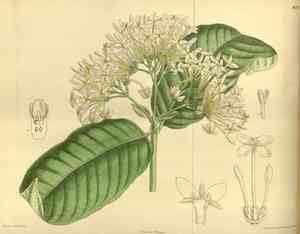
The optimal period for transplanting thorny bone-apple spans from the cool onset of winter to the mild warmth of mid-spring. Select locations that receive ample sunlight and possess soil with good drainage. A careful technique is crucial to prevent damage to the fragile root structure during relocation.
Necessary Preparations Before Relocating Thorny Bone-apple?
Optimal Period for Moving Thorny Bone-apple?
The perfect window for relocating thorny bone-apple extends from the gentle start of winter to the lively beginning of spring. This timeframe ensures thorny bone-apple roots establish well amid mild temperatures and moist soil. By transplanting thorny bone-apple during this period, you leverage the natural growth cycle, enabling the plant to flourish and reach its full potential in the upcoming warm season. Helpful tip: Moving thorny bone-apple at this time is a strategic choice for strong growth and a vibrant display.
Required Spacing Between Thorny Bone-apple Plants?
Greetings, gardeners! When preparing to plant your thorny bone-apple, remember to provide ample room for development. Aim for a separation of approximately 2-3 meters (6.5-10 feet). This will give your thorny bone-apples' roots and branches sufficient area to expand and thrive!
Ideal Soil Mixture for Thorny Bone-apple Relocation?
For your thorny bone-apple to flourish, prepare well-draining soil abundant in organic material. Incorporate a balanced, slow-release fertilizer to give them an excellent start. This preliminary work will aid your plant in establishing faster and acquiring all necessary nutrients!
Recommended Location for Your Thorny Bone-apple?
Select a sunny spot for your thorny bone-apple, as they enjoy soaking up the sun. A location receiving full sunlight is ideal. This means at least 6-8 hours of direct sun daily. Your thorny bone-apple will appreciate the warmth and light, leading to improved growth and more blooms!
Equipment Needed Before Relocating Thorny Bone-apple?
Gardening Gloves
To safeguard your hands while handling soil and plants.
Shovel or Spade
For excavating the root ball and assisting in the thorny bone-apple transplant.
Hand Trowel
For more precise digging and careful manipulation around the roots.
Gardening Fork
To loosen the soil in the root vicinity.
Pruning Shears
To trim any dead or excessively long roots.
Wheelbarrow or Garden Cart
For transporting the plant to its new site.
Watering Can or Hose
To hydrate the plant before and after its relocation.
Measuring Tape
To assist in spacing the transplant location, based on growth size needs.
How to Extract Thorny Bone-apple from its Current Location?
How to Extract Thorny Bone-apple from its Current Location?
From Ground: First, water the thorny bone-apple to moisten the soil, making plant removal easier. Then, use a shovel or spade to carefully dig a wide circle around the plant, avoiding damage to the root ball. Gently work the tool under the root ball, and lift the plant from the soil with as much root and soil intact as possible.From Pot: Begin by thoroughly watering the thorny bone-apple to ensure the soil is damp. Tilt the pot sideways and gently tap the base or sides to loosen the root ball. Gradually rotate the pot and continue tapping until the plant slides out easily. If the plant resists, run a hand trowel along the pot's inner edge to loosen soil and roots.From Seedling Tray: Water the tray to ensure the soil is moist and manageable. Use a spoon or a small stick to carefully lift individual thorny bone-apple seedlings from their cells, taking extreme care not to harm the delicate roots.
Step-by-Step Guide for Relocating Thorny Bone-apple
Preparation
Prepare the new planting area by removing any weeds or debris. The hole should be dug twice as wide and the same depth as the root ball.
Root Examination
Gently inspect the thorny bone-apple's root ball for any dead, broken, or excessively long roots, and trim them with shears. This encourages healthier growth after relocation.
Placement
Position the thorny bone-apple in the center of the hole, ensuring it stands upright and the top of the root ball is level with the surrounding ground.
Backfill
Carefully refill the hole with soil, lightly tamping it down to remove air pockets. Avoid over-compacting as this can harm the roots.
Thorough Watering
After backfilling, water the thorny bone-apple generously to settle the soil around the roots and eliminate any remaining air pockets.
Stabilization
If the thorny bone-apple is tall or in a windy area, stake it using supports to prevent it from leaning or being uprooted.
Post-Relocation Care for Thorny Bone-apple?
Mulching
Apply a layer of organic mulch around the base of the thorny bone-apple to retain moisture and regulate soil temperature, keeping it away from the stem to prevent rot.
Staking
If staked, regularly check ties for tightness and loosen them if needed to allow for growth.
Monitoring
Watch for signs of stress on the thorny bone-apple, such as yellowing or dropping leaves, and respond appropriately with suitable care.
Support
Provide physical support (e.g., cages or trellises) if the thorny bone-apple develops sprawling branches as it grows.
Pruning
Prune the thorny bone-apple minimally after relocation, only to shape the plant or remove damaged or diseased foliage.
Addressing Common Issues with Thorny Bone-apple Relocation.
What's the ideal time of year to relocate thorny bone-apple?
The best time to move thorny bone-apple is during the cool season from early winter to mid-spring.
How far apart should thorny bone-apple be planted for healthy growth?
Space thorny bone-apple about 6.5-10 feet (2-3 meters) apart to allow ample room for growth.
Why is my thorny bone-apple wilting after relocation?
Wilting post-relocation may be due to root shock. Ensure adequate watering and initially avoid direct sunlight.
How deep should the hole be when relocating thorny bone-apple?
Dig a hole twice as wide as the root ball and of the same depth to ensure good root spread.
What kind of soil is best for relocating thorny bone-apple?
Well-draining soil rich in organic matter is ideal for thorny bone-apple as it fosters healthy root growth.
How much should I water thorny bone-apple after relocation?
Water thorny bone-apple thoroughly after relocation to settle the soil around the roots, then maintain consistent moisture.
Can I relocate thorny bone-apple on a hot, sunny day?
Relocating thorny bone-apple on a cool, overcast day is best to minimize transplant shock and water loss.
Why are the leaves of my thorny bone-apple turning yellow after relocation?
Yellowing leaves may indicate over-watering or poor drainage. Check the soil moisture and adjust irrigation.
Should I fertilize thorny bone-apple right after relocation?
Wait 4-6 weeks before fertilizing thorny bone-apple to avoid burning the roots and allow them to settle.
How do I protect thorny bone-apple from relocation shock?
To prevent relocation shock, keep the root ball intact, water thoroughly, and shade from intense sunlight for the first few weeks.



