How to Transplant Crimson cattleya?
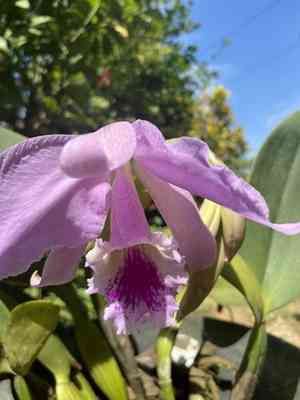
For relocating crimson cattleya, the perfect period is from early to mid-spring or mid to late autumn, when conditions are temperate and root systems can properly settle. Select a spot offering ample, indirect illumination and soil that drains efficiently. Be sure to carefully manage the fragile roots to ensure a successful transfer.
Necessary Preparations Before Relocating Crimson Cattleya
Optimal Period for Relocating Crimson Cattleya?
Early to mid-spring or mid to late fall are prime times for transplanting crimson cattleya. This timeframe offers ideal conditions for root development. Moving the plant then ensures crimson cattleya establishes well, leading to impressive floral displays. With careful timing, successful relocation and robust plant growth are assured.
Required Spacing Between Crimson Cattleya Plants?
For a successful start, ensure your crimson cattleya plants are spaced approximately 12-18 inches (30-45 cm) apart. This provides ample room for growth, air circulation, and prevents nutrient competition.
Best Soil Mixture for Crimson Cattleya Relocation?
Prepare your garden bed with a well-draining soil mix, such as loamy or sandy, and enrich it with a slow-release balanced granular fertilizer (e.g., 14-14-14). Crimson cattleya plants will flourish in this nutrient-rich environment.
Where to Replant Your Crimson Cattleya?
Select a garden location that receives bright, indirect sunlight or partial shade for your crimson cattleya plants. They cannot tolerate direct sun and prefer a more protected setting.
Equipment Needed Before Transplanting Crimson Cattleya?
Gardening Gloves
To keep hands clean and shield skin from direct contact with plant matter or soil.
Shovel or Spade
Essential for digging a hole in the ground to place crimson cattleya.
Garden Fork
To loosen the soil at the new planting site.
Watering Can
Used to hydrate crimson cattleya before and after its relocation.
Pruning Shears
These can be used to trim any damaged or diseased roots of crimson cattleya prior to transplanting.
How to Extract Crimson Cattleya from the Soil?
How to Extract Crimson Cattleya from the Soil?
From Ground: To remove your crimson cattleya from the ground, first ensure it hasn't been recently watered. Using your shovel or spade, carefully dig around the plant's root ball, maintaining a safe distance to avoid root damage. Next, gently pry the plant out from underneath, supporting as much of the roots and attached soil as possible.From Pot: If crimson cattleya is currently in a pot, it's simpler. Invert the pot while holding your hand over the soil surface, with the stem between your fingers. Apply a gentle pull to the pot while squeezing it to loosen. The plant should then slide out, root ball intact.From Seedling Tray: For removal from a seedling tray, gently squeeze the individual cell to loosen its contents, then carefully lift crimson cattleya by its leaves, taking care not to harm the delicate stem or roots.
Step-by-Step Guide for Relocating Crimson Cattleya
Preparing the New Planting Site
The new planting site should be prepared before removing crimson cattleya from its original spot. Using your garden fork and shovel, loosen the soil to at least the same depth as crimson cattleya's rootball and clear the area of any weeds. Your hole should be twice as wide as the root ball.
Inspecting the Plant
Before transplanting crimson cattleya, carefully examine the plant and use your pruning shears to remove any dead or diseased roots.
Planting
Position your crimson cattleya in the center of the prepared hole. Begin backfilling with soil, gently firming it around the roots as you go to eliminate air pockets and ensure the plant is stable. The final soil level should match its original depth.
Watering
After planting, water thoroughly to settle the soil around the roots.
Post-Transplant Care for Crimson Cattleya
Watering Frequency
After transplanting, crimson cattleya requires regular watering, more frequently than established plants. This helps prevent drying out and promotes root development.
Pruning
Remove any faded flowers or leaves after transplanting; this allows crimson cattleya to prioritize root establishment.
Protection
If possible, provide temporary shade for the first few days post-transplant. This helps crimson cattleya acclimate to its new location without the added stress of excessive sun.
Troubleshooting Common Crimson Cattleya Transplantation Issues.
When is the best time to transplant crimson cattleya?
The ideal period to transplant your crimson cattleya is during early to mid-spring or mid to late fall.
Why is my relocated crimson cattleya wilting?
Wilting may indicate transplant shock. Maintain consistent watering and shield it from harsh weather to aid recovery.
What spacing should I maintain between each crimson cattleya?
When transplanting your crimson cattleya, remember to leave approximately 12-18 inches (30-45 cm) between each plant.
How often should I water my newly transplanted crimson cattleya?
For the initial few weeks after transplanting, water crimson cattleya daily. Regular watering assists in root establishment in its new environment.
Should I prune crimson cattleya after transplanting?
It's advisable to prune minimally. Removing some foliage will lessen stress on the plant's root system post-transplant.
Why are the leaves of my transplanted crimson cattleya turning yellow?
Yellowing leaves might signal overwatering. Ensure your crimson cattleya isn't sitting in water and adjust your watering schedule accordingly.
What depth should I plant my crimson cattleya?
Plant crimson cattleya at the same depth as they were in their original containers. This prevents stem rot and other potential problems.
What soil type should I use when transplanting crimson cattleya?
Utilize a well-draining, fertile soil for crimson cattleya. The plant prefers slightly acidic to neutral soil for optimal growth.
Can crimson cattleya recover from transplant shock?
Yes, with proper care and attention, crimson cattleya can bounce back from transplant shock. Ensure consistent watering and avoid extreme temperatures.
What if my newly transplanted crimson cattleya isn't growing?
Stay calm, donât worry. Plants often need time to adjust. Continue with proper care and look for signs of improvement.



