How to Transplant Northern catalpa?
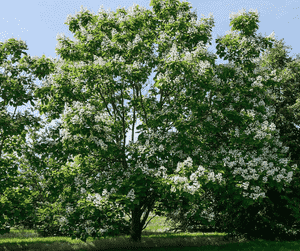
The ideal time for relocating northern catalpa is during the spring, when the ground is pliable and warm, allowing for an extended growth phase prior to winter. Place northern catalpa in a sunny location with soil that drains effectively, providing sufficient room for its impressive size to develop.
Essential Preparations Before Relocating Northern Catalpa
Optimal Timing for Northern Catalpa Relocation?
The best time to move northern catalpa is during the spring season, typically once the last frost has passed and the ground is workable. This period offers mild temperatures and increased moisture, creating ideal conditions for root establishment before the summer heat arrives. By transplanting northern catalpa at this time, you provide it with a strong start, as spring's natural growth cycle aids root development and minimizes transplant shock. Additionally, consistent spring rainfall helps keep the soil moist, supplying northern catalpa with the hydration needed to flourish in its new spot. This well-timed relocation sets the stage for a healthy, vibrant northern catalpa, ensuring it begins its new life successfully.
Required Spacing Between Northern Catalpa Plants?
Firstly, ensure your northern catalpa has ample room to expand! An ideal spacing is approximately 20-30 feet (6-9m). This guarantees your plants have sufficient area to thrive without competing for nutrients or sunlight.
Best Soil Mixture for Northern Catalpa Relocation?
For northern catalpa to flourish, prepare a loamy soil, rich in organic material. Before planting, it's highly recommended to incorporate a slow-release granular fertilizer into the planting hole. This will give your northern catalpa a healthy head start!
Where to Replant Your Northern Catalpa?
Placement is crucial for your northern catalpa! It prefers full sun but can endure some partial shade. Locate a spot in your garden where it can receive sunlight for most of the day. Happy gardening!
Tools Required Before Transplanting Northern Catalpa
Gardening Gloves
To safeguard your hands while handling the roots of northern catalpa and prevent injuries.
Shovel or Spade
Crucial for excavating the northern catalpa from its original site and preparing a hole in the new location.
Pruning Shears
For trimming any damaged or diseased roots of the northern catalpa.
Wheelbarrow
To move the northern catalpa plant and soil from one place to another.
Garden Hose or Watering Can
To provide water to the northern catalpa before, during, and after its relocation.
Mulch
Helps maintain soil moisture around the northern catalpa following transplantation.
Garden Trowel
To add or remove soil when relocating the northern catalpa.
How to Extract Northern Catalpa from the Ground?
How to Extract Northern Catalpa from the Ground?
From Ground: Start by thoroughly watering the northern catalpa tree to hydrate its roots, making them easier to dig. Using a shovel, dig a trench around the outer perimeter of the northern catalpa tree's canopy, ensuring you retrieve a large, intact root ball. Carefully lift the root ball from the ground with a spade. Try to avoid damaging the roots as much as possible.From Pot: Water your northern catalpa plant generously before removing it. Tilt the pot sideways and gently slide the plant out, being careful not to pull on the plant, which can harm the roots.From Seedling Tray: Water the northern catalpa seedlings, then gently separate them from their cell, supporting them by the leaf, not the stem. Be cautious not to injure the delicate young roots.
Step-by-Step Guide for Relocating Northern Catalpa
Hole Preparation
Dig a hole twice as wide and the same depth as the northern catalpa's root ball. The broad hole allows the roots ample space to spread and grow.
Site Preparation
Add a thin layer of compost to the hole to supply nutrients for the northern catalpa.
Plant Placement
Position the plant in the hole, ensuring the top of the root ball is level with the soil surface.
Backfilling
Carefully backfill the hole, filling any gaps with soil and gently patting it down to eliminate air pockets. Avoid mounding soil against the trunk of the northern catalpa.
Watering
Thoroughly water the northern catalpa around its root zone immediately after planting.
Mulching
Apply mulch around the base of the northern catalpa, but ensure it does not touch the trunk, as this could lead to rot.
Post-Transplant Care for Northern Catalpa
Watering
Maintain consistent moisture for the northern catalpa; young trees require abundant water to establish their roots.
Pruning
Prune the northern catalpa only to remove broken or diseased branches; avoid significant pruning in the first year after relocation.
Monitoring
Observe the northern catalpa for indications of transplant shock, such as wilting leaves or a lack of new growth. If these appear, slightly increase watering and allow the plant time to recover.
Protection
Shield the young northern catalpa from harsh weather conditions like strong winds or frost, which could harm the newly transplanted tree.
Addressing Common Issues with Northern Catalpa Relocation.
What is the optimal season to relocate northern catalpa?
The best period for transplanting northern catalpa is early to mid-spring (S1-S3), just before its active growth phase begins.
How much space should I allow between northern catalpa when relocating?
Ensure northern catalpa are spaced 20-30 feet (6-9 meters) apart. This provides them with sufficient room for growth and expansion.
Are northern catalpa sensitive to relocation?
Northern catalpa are not particularly delicate, however, proper care should be exercised during relocation to prevent damage to the root system.
Should I trim northern catalpa before relocating?
Yes, perform light pruning. Remove any broken or diseased branches, and trim sparingly to maintain a balanced structure.
What should be the depth of the hole for relocating northern catalpa?
Dig a hole twice the width and the same depth as the root ball, ensuring northern catalpa is not planted deeper than its original level.
Is there a specific soil type for relocating northern catalpa?
Northern catalpa is not particular about soil. However, well-draining soil enriched with organic matter promotes vigorous growth.
How frequently should I water northern catalpa after relocating?
Water northern catalpa thoroughly after relocation, then maintain moderate moisture levels. Avoid excessive watering, as this can cause root rot.
Do I need to stake northern catalpa after relocating?
If northern catalpa is tall and unstable, staking can offer support. But remember to remove stakes once the plant is established, typically after the first year.
How much sunlight does northern catalpa require after relocating?
Northern catalpa thrives in full sun to partial shade. Prolonged periods of shade may hinder growth, so ensure the plant receives adequate sunlight.
Should I fertilize northern catalpa immediately after relocating?
There's no need to rush. Wait until you observe new growth, then apply a balanced fertilizer to support northern catalpa's development. Over-fertilization can harm the plant.



