How to Transplant Chinese catalpa?
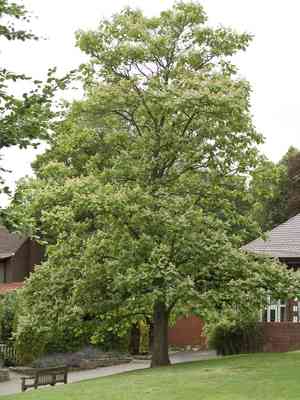
The optimal period for relocating chinese catalpa is at the beginning of warmer weather, immediately following the end of winter's cold, usually from early to mid-spring. Select a bright spot with soil that drains effectively to foster vigorous development. Careful manipulation is crucial to prevent root trauma.
What Preparations are Needed Before Transplanting Chinese Catalpa?
What is the Ideal Time for Transplanting Chinese Catalpa?
The optimal period for relocating chinese catalpa is at the onset of spring. This timeframe, spanning early to mid-spring, aligns with the plant's natural growth cycle, promoting strong root development and minimizing stress, setting the stage for a successful season.
How Much Space Should You Leave Between Chinese Catalpa Plants?
When transplanting chinese catalpa, it's advisable to maintain a distance of approximately 10-20 feet (3-6 meters) between each specimen. This generous spacing allows ample room for each plant to develop and flourish.
What is the Best Soil Mix for Chinese Catalpa Transplanting?
Ensure your soil drains well and has a slightly acidic to neutral pH for optimal chinese catalpa growth. Before planting, mix in a good quantity of compost or organic matter to enrich the soil and apply a slow-release granular fertilizer as a base layer.
Where Should You Relocate Your Chinese Catalpa?
Chinese catalpa thrives in locations with full sun to partial shade. Select a spot where it receives morning sunlight but is shielded from intense afternoon rays. Remember, sufficient light is vital for your plant's overall health.
What Equipments Should You Prepare Before Transplantation Chinese Catalpa?
Gardening Gloves
To safeguard your hands while handling soil and chinese catalpa.
Shovel or Spade
Needed for excavating holes in the ground and extracting chinese catalpa from its original spot.
Garden Trowel
Useful for cleanly removing chinese catalpa from a container or seedling tray.
Pruning Shears
To trim any damaged or dead roots from the chinese catalpa plant prior to relocation.
Watering Can or Hose
To hydrate the plant both before and after the transplanting procedure.
Mulch
To aid in retaining soil moisture after transplanting chinese catalpa.
Stake and Ties
To provide support for chinese catalpa as it establishes itself in its new environment.
How Do You Remove Chinese Catalpa from the Soil?
How Do You Remove Chinese Catalpa from the Soil?
From Ground: Start by watering the chinese catalpa plant to moisten the soil, making extraction easier. Dig a wide trench around the plant with a shovel or spade, ensuring a substantial portion of the root system is included. Carefully work the spade beneath the root ball to lift the plant from the ground.From Pot: Water the chinese catalpa plant thoroughly before transplanting. Invert the pot while supporting the plant with your other hand. Tap the bottom of the pot a few times if the plant doesn't release easily.From Seedling Tray: Water the seedling tray before transplanting. Use a garden trowel to gently lift chinese catalpa from the seedling tray, making sure to keep as much soil around the roots as possible to minimize transplant shock.
Step-by-Step Guide for Transplanting Chinese Catalpa
Preparation
Dig a hole in the new location that is twice as wide and as deep as the root ball of your chinese catalpa plant.
Root Inspection
Use pruning shears to remove any damaged or lifeless roots.
Placement
Carefully position the chinese catalpa plant in the hole, ensuring the root system is evenly spread.
Filling
Backfill the hole with the excavated soil, gently pressing down as you fill to eliminate any air pockets.
Watering
Water chinese catalpa generously immediately after transplanting.
Staking
If the chinese catalpa plant is tall, it may require support. Use a stake and ties to provide it.
Mulching
Apply a layer of mulch around the plant's base. This helps maintain soil moisture and inhibits weed growth.
How Do You Care For Chinese Catalpa After Transplanting?
Pruning
Remove any damaged or diseased leaves and branches after transplanting the chinese catalpa. This encourages healthier development.
Watering
Consistent watering is crucial while chinese catalpa is establishing. Ensure the soil remains uniformly moist but not waterlogged.
Mulching
Maintain an adequate layer of mulch around the plant's base to suppress weeds and preserve soil moisture.
Monitoring
Closely observe chinese catalpa after transplanting, especially during the initial weeks. Watch for signs of stress, such as yellowing leaves or wilting, and address these issues promptly if they appear.
Feeding
Wait at least one month post-transplant before beginning to use a balanced fertilizer. Always adhere to the specific feeding instructions for chinese catalpa.
Troubleshooting Common Issues with Chinese Catalpa Transplantation.
When should I transplant my chinese catalpa?
The most favorable period to move your chinese catalpa is during the S1-S2 season. This timeframe offers ideal growing conditions for the plant.
How far apart should I space my chinese catalpa when transplanting?
For proper development, plant your chinese catalpa approximately 10-20 feet (3-6 meters) apart. This spacing provides sufficient room for their extensive growth.
What preparation is needed for the soil when transplanting chinese catalpa?
Be sure to loosen the soil and incorporate organic matter. This improves the soil's nutrients and drainage, thereby ensuring better root penetration and hydration for your chinese catalpa.
How to handle the chinese catalpa during transplanting?
Handle your chinese catalpa with care during relocation. Use both hands to support the root ball, and avoid touching or harming the trunk. This prevents stress and speeds up recovery.
Why isn't my transplanted chinese catalpa thriving?
Your chinese catalpa might be struggling due to incorrect planting depth, insufficient hydration, or inadequate light. Correct these factors to give it the best chance of flourishing.
How deep should I plant my chinese catalpa when transplanting?
Ensure the planting hole for chinese catalpa is twice as wide and equal in depth to the root ball. This provides ample space for roots to spread and grow.
How much water does chinese catalpa require after being transplanted?
Immediately after transplanting, water your chinese catalpa thoroughly and maintain regular watering afterward. However, avoid overwatering as it can lead to root rot.
How can I protect my transplanted chinese catalpa from pests and diseases?
Monitor your chinese catalpa closely after transplantation. Use organic repellents and pesticides to deter pests, and promptly prune any diseased parts to prevent disease spread.
What should I do if the leaves of my transplanted chinese catalpa turn yellow?
Yellow leaves on your chinese catalpa might indicate over-watering or a nutrient deficiency. Adjust watering schedules and consider adding balanced fertilizers to supplement nutrition.
Is it necessary to stake the transplanted chinese catalpa?
Staking newly transplanted chinese catalpa can be beneficial. It offers support, prevents wind damage, and aids upright growth while the plant establishes new roots.



