How to Transplant Moreton bay chestnut?
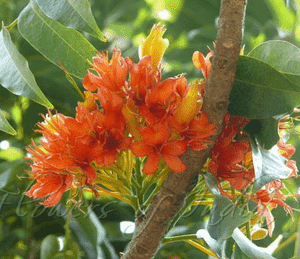
The most favorable period for transplanting moreton bay chestnut is from the delightful stretch of mid to late spring into early summer, which fosters robust development. Choose a location that receives ample sunlight to partial shade, featuring soil that drains effectively, for superior outcomes. Carefully managing the root system during the transfer process aids in successful integration.
What Preparations are Needed Before Transplanting Moreton Bay Chestnut?
What is the Ideal Time for Transplanting Moreton Bay Chestnut?
The optimal period for relocating moreton bay chestnut spans from mid-to-late spring, extending into early summer. This timeframe allows moreton bay chestnut to settle in warm, consistent conditions, promoting vigorous root development prior to summer's peak. Moving it during this phase is advantageous as the mild weather lessens transplant shock and encourages stronger growth. Seize this prime opportunity to ensure your moreton bay chestnut flourishes!
How Much Space Should You Leave Between Moreton Bay Chestnut Plants?
When preparing to move your moreton bay chestnut, adequate spacing is crucial. Ideally, position each plant approximately 8-10 feet (2.4-3 meters) apart, providing ample room for air circulation and fostering superior growth.
What is the Best Soil Mix for Moreton Bay Chestnut Transplanting?
For the healthiest moreton bay chestnut, prepare a rich, well-draining soil blend, thoroughly mixed with compost, to fill the planting hole. Incorporating a slow-release, complete base fertilizer will also be highly beneficial. This establishes the perfect foundation for your plant's development!
Where Should You Relocate Your Moreton Bay Chestnut?
When selecting the perfect spot for your moreton bay chestnut, remember its need for substantial daily sunlight. Choose a location that receives direct sun exposure. This will enable your plant to photosynthesize efficiently and thrive. Happy gardening!
What Equipments Should You Prepare Before Transplantation Moreton Bay Chestnut?
Gardening Gloves
To safeguard your hands while handling soil and moreton bay chestnut.
Shovel or Spade
Utilized for excavating holes and extracting the moreton bay chestnut from its initial position.
Wheelbarrow
Helpful for moving moreton bay chestnut from one spot to another, especially for larger specimens.
Garden Knife
Assists in loosening a root ball that is overly dense and compacted. Please use with caution.
Watering Can
Used to moisten the soil around moreton bay chestnut for easier removal and to hydrate the plant post-transplant.
Mulch or Organic Compost
Aids in retaining soil moisture and supplies additional nutrients for the moreton bay chestnut after relocation.
How Do You Remove Moreton Bay Chestnut from the Soil?
How Do You Remove Moreton Bay Chestnut from the Soil?
From Ground: First, gently irrigate the moreton bay chestnut plant to moisten the soil. Next, excavate a wide trench around the plant using a shovel or spade, ensuring the plant's root ball remains intact. Carefully work the spade beneath the rootball to lift the plant from its original site.From Pot: To extract a moreton bay chestnut from a container, begin by watering the plant to dampen the soil, facilitating easier removal. Invert the pot onto its side and tap the sides and bottom until the plant gently slides out. Avoid pulling the plant; instead, allow gravity to assist.From Seedling Tray: If you are transplanting a moreton bay chestnut seedling, exercise extreme caution to avoid damaging the delicate roots. Gently water the tray and use a spoon or your fingers to lift the seedling, ensuring you dig deep enough to keep the roots whole.
Step-by-Step Guide for Transplanting Moreton Bay Chestnut
Prepare the New Location
Dig a hole that is twice as wide and approximately the same depth as the root ball of your moreton bay chestnut plant. A broader hole provides roots with space to spread and establish.
Placing the Plant
Carefully position your moreton bay chestnut into the hole, ensuring it is centered and the top of the root ball is level with the surrounding ground. If necessary, add or remove soil beneath the plant to achieve the correct height.
Backfill the Hole
Once the moreton bay chestnut is in place, begin refilling the hole with the excavated soil. As you do this, gently compact the soil to eliminate air pockets. Keep the plant upright and ensure it remains level with the ground.
Watering
After the moreton bay chestnut is planted, water it generously to help settle the soil and hydrate the plant.
Mulching
Finally, apply a layer of mulch or organic compost around the base of the moreton bay chestnut, taking care not to pile it against the stem. This helps the soil retain moisture and provides additional nutrients.
How Do You Care For Moreton Bay Chestnut After Transplanting?
Watering Frequency
After the transplant is complete, water your moreton bay chestnut regularly. The frequency may vary based on climate and plant size, but generally, aim to keep the soil consistently moist without being waterlogged.
Pruning
If you observe any dead or dying branches on your moreton bay chestnut post-transplant, you can trim them back to help the plant direct its energy towards establishing new roots.
Monitoring
Observe the moreton bay chestnut for several weeks after transplanting for any signs of stress, such as wilting or yellowing leaves. If these symptoms appear, your plant may require more or less water, or a more sheltered location.
Protection
In the initial weeks following transplantation, your moreton bay chestnut may be more susceptible to pests or diseases. Regularly inspect the plant and take action at the first indication of trouble.
Troubleshooting Common Issues with Moreton Bay Chestnut Transplantation.
When is the ideal time to transplant a moreton bay chestnut?
The optimal period to transplant moreton bay chestnut is between late spring and early fall (S2-S4), when plants are actively growing.
How should I prepare the soil for transplanting moreton bay chestnut?
Ensure the soil is well-draining, rich in organic matter, and slightly acidic. Prepare a hole twice the width and the same depth as the root ball.
What is the ideal spacing for transplanting moreton bay chestnut?
For healthy growth, maintain a distance of approximately 8-10 feet (2.4-3 meters) between each moreton bay chestnut during transplantation.
Is it necessary to water the moreton bay chestnut immediately after transplanting?
Yes, it is crucial to thoroughly water your moreton bay chestnut immediately after transplantation to help it begin establishing roots in its new location.
How much sunlight does a newly transplanted moreton bay chestnut require?
Moreton bay chestnut benefits from strong light but not direct midday sun. Choose a spot with morning light and afternoon shade.
Why are the leaves of my newly transplanted moreton bay chestnut turning yellow?
Yellow leaves might indicate a watering issue or transplant shock. Ensure the plant is neither over- nor under-watered and that the root ball is adequately covered.
What is transplant shock and how can I prevent it in my moreton bay chestnut?
Transplant shock can occur when the plant struggles to adapt to its new environment. Reduce this by transplanting on a cool, overcast day and providing ample watering.
Should I prune my moreton bay chestnut after transplanting?
Pruning is not immediately necessary after transplanting, but may be required in subsequent growing seasons to maintain shape and health.
How can I protect my moreton bay chestnut from pests after transplantation?
Regularly inspect your moreton bay chestnut for dry leaves or damage, which can attract pests. Use organic pest repellents or pesticides if needed.
Will my moreton bay chestnut produce flowers right after transplantation?
Flowering may not happen immediately after transplantation as moreton bay chestnut needs to establish itself in its new location first. Be patient and provide for its needs.



