How to Transplant Long-leaf evergreen chinkapin?
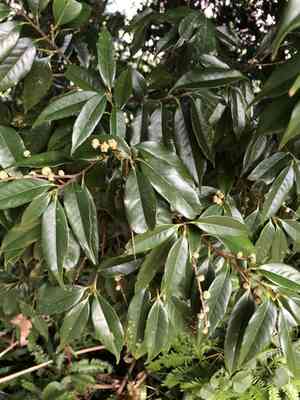
The most suitable period for relocating long-leaf evergreen chinkapin spans from early spring's onset through its late-spring peak, when growth vigor is at its best. Select a site with good drainage and ample sunlight. Make certain long-leaf evergreen chinkapin is slowly accustomed to external environments if it was previously kept indoors.
What Preparations are Needed Before Transplanting Long-leaf Evergreen Chinkapin?
What is the Ideal Time for Transplanting Long-leaf Evergreen Chinkapin?
The best time to move long-leaf evergreen chinkapin is after winter's cold but before summer's heat. This period, typically from early to late spring, offers ideal conditions for long-leaf evergreen chinkapin to establish. Transplanting long-leaf evergreen chinkapin during these months allows roots to settle in cooler, moist soil, improving water and nutrient uptake. This promotes strong growth, helping the plant thrive in its new spot, free from extreme summer heat or harsh winter cold.
How Much Space Should You Leave Between Long-leaf Evergreen Chinkapin Plants?
Before adding long-leaf evergreen chinkapin to your garden, ensure they have plenty of room! Plan to space each long-leaf evergreen chinkapin approximately 20-30 feet apart (6-9 meters), allowing their beautiful long leaves ample space to grow without crowding.
What is the Best Soil Mix for Long-leaf Evergreen Chinkapin Transplanting?
To properly welcome your long-leaf evergreen chinkapin, prepare well-draining soil rich in organic matter. Consider it creating a comfortable bed for them to settle into. Incorporate a balanced, slow-release fertilizer to give them a good start!
Where Should You Relocate Your Long-leaf Evergreen Chinkapin?
Finding the perfect sunny spot for your long-leaf evergreen chinkapin is like choosing the best seat in the house—they will thrive in an area receiving full to partial sunlight. A location that gets 4-6 hours of daily sunshine will result in vibrant growth from your green companions.
What Equipments Should You Prepare Before Transplantation Long-leaf Evergreen Chinkapin?
Gardening Gloves
To shield your hands while handling soil and plants.
Shovel or Spade
For digging up the plant and preparing a new hole.
Watering Can or Hose
To hydrate the plant before and after relocation.
Mulch
To help maintain soil moisture around the new planting site.
Pruning Shears
To trim any damaged roots or branches.
Wheelbarrow
To move the long-leaf evergreen chinkapin and soil if needed.
Root Pruning Saw
For larger plants requiring more significant root trimming.
Tarp or Burlap
To hold the excavated root ball and minimize mess during transport.
How Do You Remove Long-leaf Evergreen Chinkapin from the Soil?
How Do You Remove Long-leaf Evergreen Chinkapin from the Soil?
From Ground: First, moisten the long-leaf evergreen chinkapin plant's soil. Then, dig a wide trench around the plant with a shovel or spade, being careful not to harm the root ball. Gently work the tool beneath the root ball to lift the plant out.From Pot: Water the soil, then gently tap the pot's sides and bottom to loosen it. Tilt the pot sideways and carefully ease the plant out while supporting its base and stem.From Seedling Tray: Dampen the soil and carefully lift the long-leaf evergreen chinkapin seedling using a dibber or small tool to loosen the soil around the roots, ensuring as many roots as possible are preserved.
Step-by-Step Guide for Transplanting Long-leaf Evergreen Chinkapin
Digging New Hole
Excavate a hole twice the width of the long-leaf evergreen chinkapin's root ball, but no deeper than its previous planting depth.
Plant Positioning
Center the long-leaf evergreen chinkapin in the new hole, ensuring the top of the root ball is level with the surrounding soil surface.
Refilling Hole
Carefully backfill the hole with soil, gently tamping it down to remove air pockets without overly compacting the soil.
Watering
Thoroughly water the long-leaf evergreen chinkapin after planting to settle the soil and provide moisture for the roots.
Mulching
Apply a layer of mulch around the base of the long-leaf evergreen chinkapin, leaving some space around the stem to prevent rot.
How Do You Care For Long-leaf Evergreen Chinkapin After Transplanting?
Careful Monitoring
Observe the long-leaf evergreen chinkapin for signs of stress and promptly address issues like wilting or leaf drop.
Regular Watering
Maintain a consistent watering schedule to encourage new growth, taking care not to overwater.
Staking
If the long-leaf evergreen chinkapin is tall or in a windy area, provide support with a stake to prevent leaning or uprooting.
Pruning
Remove any damaged or diseased branches to direct the long-leaf evergreen chinkapin's energy towards healthy new growth.
Weed Control
Keep the area around the long-leaf evergreen chinkapin clear of weeds that compete for nutrients and water.
Troubleshooting Common Issues with Long-leaf Evergreen Chinkapin Transplantation.
What's the best time to transplant long-leaf evergreen chinkapin?
The optimal period for relocating long-leaf evergreen chinkapin is during the calm of early to late spring.
How far apart should I space long-leaf evergreen chinkapin when transplanting?
Ensure long-leaf evergreen chinkapins are given a generous distance of 20-30 feet (6-9 meters) to thrive.
How do I choose the right location for transplanting long-leaf evergreen chinkapin?
Select a sunny spot with well-draining soil, considering its mature size for optimal development.
What should I consider about soil when transplanting long-leaf evergreen chinkapin?
Enrich the ground with organic matter to nourish long-leaf evergreen chinkapin, ensuring it's well-aerated and drains effectively.
Why are my transplanted long-leaf evergreen chinkapins wilting?
Wilting may indicate stress from insufficient watering or transplant shock. Gentle care is crucial.
How deep should I dig the hole for transplanting long-leaf evergreen chinkapin?
The planting site for long-leaf evergreen chinkapin should be twice as wide and the same depth as the root ball.
Can I transplant long-leaf evergreen chinkapin during the summer or fall?
Transplanting long-leaf evergreen chinkapin in summer or fall risks heat or cold stress; spring transplantation promotes vigorous growth.
What's the ideal watering regimen post-transplanting long-leaf evergreen chinkapin?
Satisfy long-leaf evergreen chinkapin's hydration needs with a thorough watering immediately after transplanting, followed by regular moisture checks.
Should I fertilize long-leaf evergreen chinkapin after transplanting?
Allow long-leaf evergreen chinkapin to settle before feeding. After a few months, a mild fertilizer boost can be beneficial.
My long-leaf evergreen chinkapin looks shocked after transplanting, what should I do?
Be patient, maintain watering, and protect it from harsh elements. Recovery from shock may take some time.



