How to Transplant Sweet chestnut?
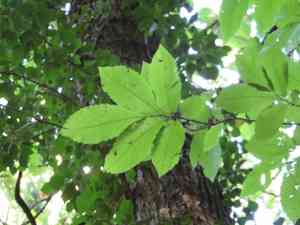
The most favorable period for transplanting sweet chestnut is as the mildness of late spring gives way to the liveliness of early summer, allowing the root system to settle prior to colder temperatures. Select a location bathed in sunlight with soil that drains effectively. Recommendations involve preserving soil dampness and safeguarding nascent roots.
Preparations Required Before Relocating Sweet Chestnut
Optimal Period for Transplanting Sweet Chestnut
The best time to move sweet chestnut to its new location is during late spring or early summer. This timeframe offers moderate temperatures and gentle weather, fostering an ideal setting for robust root development. Shifting sweet chestnut during this season leverages its natural growth cycle, ensuring the plant has the entire growing period to settle in before winter dormancy. A well-timed and careful transplant guarantees sweet chestnut will flourish, paving the way for years of vigorous growth and abundant yields.
Recommended Spacing Between Sweet Chestnut Plants
When relocating your sweet chestnut, ensure ample room for its growth. An ideal separation is approximately 30-40 feet (9-12 meters). This distance promotes healthy development and allows root systems to properly establish.
Optimal Soil Blend for Sweet Chestnut Transplanting
Sweet chestnut thrives in slightly acidic, well-draining soil. You can prepare your soil by incorporating organic material such as compost. A balanced slow-release fertilizer also aids in enriching the soil for the sweet chestnut's establishment.
Ideal Location for Relocating Your Sweet Chestnut
Choose a site with full sun exposure for your sweet chestnut. They benefit from 6-8 hours of sunlight daily. However, they can also endure shaded areas if full sun is unavailable.
Equipment Needed Before Transplanting Sweet Chestnut
Gardening Gloves
To safeguard your hands when handling soil and sweet chestnut.
Shovel or Spade
For excavating holes and trenches to place the plant.
Trowel
A smaller version of a shovel, useful for more precise digging tasks.
Pruning Shears
To carefully trim any dead or damaged branches or roots from sweet chestnut plants.
Watering Can or Hose
For irrigating the plant immediately after relocation.
Mulch
To cover the transplanted area, helping to retain moisture and suppress weed growth, benefiting your sweet chestnut.
Compost or Organic Matter
To blend with garden soil and supply nutrients for the plant.
Method for Extracting Sweet Chestnut from the Soil
Method for Extracting Sweet Chestnut from the Soil
From Ground: First, thoroughly water the sweet chestnut plant to moisten the soil. This will facilitate digging and minimize plant stress. Next, using your shovel or spade, dig a wide trench around the plant, being careful to preserve the root ball. Gently ease the spade beneath the root ball and carefully lift the plant. Aim to keep as much soil around the roots as possible, to lessen root stress and damage.From Pot: Begin by adequately watering your sweet chestnut plant. Then, turn the pot on its side, tap it gently, and slide the plant out, being cautious not to pull from the stem or top of the plant.From Seedling Tray: To transplant seedlings, it's advisable to water them first. Then, using a trowel or two fingers, gently lift out the seedlings without disturbing the roots. Afterward, place it into the prepared hole in the ground.
Detailed Steps for Transplanting Sweet Chestnut
Prepare the Planting Hole
Dig a hole in the ground that is twice the width and equal in depth to your sweet chestnut's root ball. Incorporate organic matter or compost with the excavated soil.
Prepare the Plant
Inspect the sweet chestnut's roots and trim any that are damaged or excessively long.
Plant Positioning
Place the sweet chestnut plant in the center of the hole, ensuring the top of the root ball is level with the soil surface.
Backfill the Hole
Using the soil-compost mixture, backfill the hole, gently firming the soil around the plant's base.
Watering
Thoroughly water your sweet chestnut, ensuring the soil is moist but not waterlogged.
Mulching
Apply a layer of mulch around the plant to conserve moisture and inhibit weed growth.
Post-Transplant Care for Sweet Chestnut
Watering
Remember to water the plant regularly, especially during dry spells. The sweet chestnut plant prefers consistently moist soil conditions.
Pruning
Inspect your sweet chestnut for any dead or damaged branches; prune them to encourage new and healthy growth.
Inspection
Keep a close watch on your sweet chestnut for any indications of diseases or pests. Early detection and intervention will help maintain your plant's long-term health.
Fertilizing
Approximately two months after transplanting, consider applying a slow-release fertilizer to provide essential nutrients and boost plant growth.
Resolving Common Issues with Sweet Chestnut Transplantation.
When is the best time to transplant sweet chestnut?
The ideal period for transplanting sweet chestnut is from late summer to early autumn (S3-S4). This allows the tree ample time to establish before winter.
How much space does sweet chestnut require between each tree during transplantation?
Sweet chestnut needs considerable space to grow. The optimal distance between each tree should be 30-40 feet (9-12 meters). This facilitates proper spread and growth.
Why are the leaves of my transplanted sweet chestnut turning brown?
Brown leaves could indicate transplant shock or insufficient water. Ensure the tree is adequately hydrated, but not waterlogged, and that it hasn't been exposed to extreme temperature changes.
What should be the depth of the hole when transplanting sweet chestnut?
The hole should be two to three times wider than the root ball and equally deep. This encourages root spread and helps the tree establish more effectively.
What action should I take if the transplanted sweet chestnut is leaning or unstable?
Stake the tree for support while it establishes, but remember to adjust the stakes and ties as the tree grows to prevent damage. Loosen the stake if the tree appears restricted.
What type of soil is most suitable for transplanting sweet chestnut?
Sweet chestnut thrives in well-draining, deep, loamy soils with a slightly acidic pH. If your soil doesn't meet these criteria, consider adding compost or organic matter to enhance its quality.
How much should I water sweet chestnut after transplanting?
Water sweet chestnut deeply immediately after transplanting. Subsequently, the tree requires approximately an inch (2.5 cm) of water from rainfall or irrigation per week, depending on climate and soil conditions.
How can I ensure my transplanted sweet chestnut will flourish?
Apply a layer of organic mulch around the base of the tree, but avoid touching the trunk. This conserves moisture, suppresses weeds, and enriches the soil with nutrients.
Why isn't my transplanted sweet chestnut growing as expected?
Several factors can affect sweet chestnut's growth, including poor soil conditions, inadequate water, incorrect spacing, or excessive shade. Review these circumstances and adjust care accordingly.
What is the soft bumpy area on my transplanted sweet chestnut trunk?
This could be a canker, typically caused by a fungus. Fungal cankers can be treated by pruning away infected branches and applying a fungicide.



