How to Transplant American chestnut?
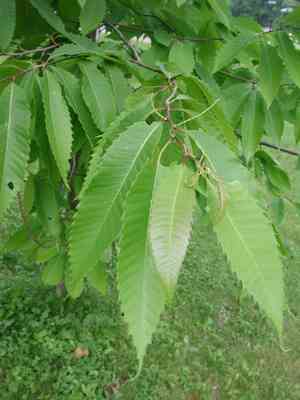
The ideal period for transplanting american chestnut is the revitalizing onset of spring, which facilitates superior root development. Select a bright location featuring well-draining, acidic earth. Exercising care with the root system throughout this procedure is crucial.
What Preparations are Needed Before Transplanting American Chestnut?
What is the Ideal Time for Transplanting American Chestnut?
The optimal period for relocating american chestnut is during early spring. This time offers a mild climate, perfect for root development without the harshness of summer or freezing temperatures. Moving american chestnut at this point leverages its natural growth surge, providing a strong start in its new spot. By selecting this season of rejuvenation, you're giving american chestnut the best chance to flourish, utilizing the growth cycle when the soil is moist and receptive.
How Much Space Should You Leave Between American Chestnut Plants?
For beginners, it's wise to allow ample room for your american chestnut to expand. Aim for a spacing of approximately 20-30 feet (6-9 meters) between each plant. This prevents competition for nutrients and sunlight.
What is the Best Soil Mix for American Chestnut Transplanting?
Your american chestnut will thrive in soil that drains well and is slightly acidic, so checking the pH level beforehand is a good idea. A basic fertilizer can be used to give the plant a strong start; follow the application instructions on the packaging.
Where Should You Relocate Your American Chestnut?
When considering where to plant your american chestnut, remember these plants require ample sunlight. An area receiving at least 6 hours of direct sun daily would be ideal. However, they also need some shade to prevent overheating.
What Equipments Should You Prepare Before Transplantation American Chestnut?
Gardening Gloves
To safeguard your hands while handling the american chestnut plant and working with the soil.
Shovel/Spade
Required to excavate the american chestnut plant from its original site and prepare a new planting location.
Pruning Shears
Useful for trimming any dead or diseased branches during the transplant process.
Garden Hose or Watering Can
Essential for hydrating the plant both before and after its relocation.
Wheelbarrow
Aids in moving the american chestnut plant if its new location is not nearby.
Burlap or Heavy Duty Garden Bag
This will be used to wrap the root ball during transport to the new site.
Mulch
Crucial for protecting the american chestnut plant and retaining moisture after transplant.
How Do You Remove American Chestnut from the Soil?
How Do You Remove American Chestnut from the Soil?
From Ground: Begin by thoroughly watering the american chestnut plant to soften the soil for easier handling. Using a shovel or spade, carefully dig a wide trench around the plant, being cautious not to disturb the root ball. Try to keep as much soil as possible around the roots. Once the root ball is exposed, work the spade underneath to lift the plant, minimizing root damage.From Pot: Before starting, water the american chestnut plant thoroughly. Gently tilt the pot sideways and slowly ease the plant out, trying not to pull from the stem or trunk. Keep the root ball intact as much as possible. If the plant is stuck, lightly tap the sides of the pot to loosen it.From Seedling Tray: Using a spoon or small garden tool, carefully scoop out the american chestnut plant, ensuring not to harm the delicate roots. Handle the seedling by its leaves, not the stem, to prevent injury.
Step-by-Step Guide for Transplanting American Chestnut
Prep Work
Prepare the new planting site by digging a hole as deep as the root ball and twice its width. This will allow the roots of the american chestnut plant to spread out easily.
Transportation
Once the american chestnut plant is lifted from its original spot, immediately wrap the root ball in burlap or a heavy-duty garden bag to prevent shock and damage. If you need to move the plant a distance, use a wheelbarrow.
Setting the Plant
Place the american chestnut plant in its new hole. The top of the root ball should be level with the surrounding soil to prevent water from accumulating around the stem. Gently backfill the hole, firming the soil as you go to eliminate any air pockets.
Watering
Water the american chestnut plant generously after transplanting. This helps settle the soil around the roots and provides hydration to the plant.
Mulching
Finally, apply a layer of mulch around the base of the american chestnut plant. This aids in moisture retention and inhibits weed growth.
How Do You Care For American Chestnut After Transplanting?
Watering Routine
Water the american chestnut plant thoroughly immediately after transplanting, ensuring adequate hydration. In the subsequent weeks, maintain consistent watering, but be careful not to overwater, which can lead to root rot.
Pruning
Avoid heavy pruning right after transplanting. However, remove any dead or damaged branches to direct the plant's energy towards root development.
Monitor Health
Keep a close watch on the american chestnut plant to ensure it is adapting well to its new location. Yellowing leaves or wilting could indicate transplant shock.
Protect from Harsh Conditions
For the initial couple of weeks, provide some shade and wind protection if feasible, until it becomes accustomed to its new environment.
Troubleshooting Common Issues with American Chestnut Transplantation.
When is the best time to transplant american chestnut?
Transplant american chestnut during S1; this period allows the plant to establish its roots before its main growth phase.
How can I successfully prepare a american chestnut for transplantation?
Water american chestnut thoroughly the day before moving. Prune about 1/3 of the plant's branches to reduce water loss.
What is the ideal placement/spacing for american chestnut in the garden?
American chestnut requires ample space to grow. Maintain a spacing rule of 20-30 feet (6-9 meters) from other plants.
How should I prepare the planting site for american chestnut?
Dig a hole twice the size of american chestnut's root ball. Enrich the soil with compost if needed. The planting depth should match its previous depth.
How should american chestnut be watered after transplantation?
Water american chestnut thoroughly right after transplanting, then regularly for the first few weeks. Avoid waterlogging, as it can cause root rot.
What do I do if american chestnut leaves start wilting post-transplant?
Wilting indicates transplant shock; maintain consistent watering and consider adding a layer of mulch around american chestnut to conserve moisture.
How do I promote root growth in transplanted american chestnut?
Applying a root stimulator can help american chestnut establish more quickly. These are available at most garden centers or online.
Should american chestnut be pruned after transplanting?
You should prune american chestnut lightly after transplanting to balance the top growth with root loss during the move. Avoid excessive pruning, as it can cause stress.
How can I support american chestnut during its first few weeks after transplanting?
Besides regular watering and fertilizing, providing some shading to american chestnut for the first couple of weeks post-transplant can be beneficial.
Should I fertilize american chestnut immediately after transplanting?
It's better to wait until new growth appears before fertilizing transplanted american chestnut. Over-fertilizing too soon can stress the plant.



