How to Transplant Burmese fishtail palm?
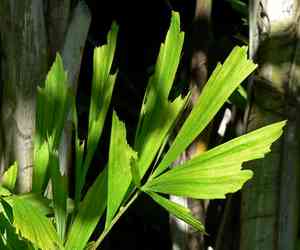
Spring is the ideal period for transplanting burmese fishtail palm, as the temperate conditions aid in root development. Select a location with partial shade and soil that drains effectively. During the process, carefully support the root mass to ensure a seamless transfer.
What Preparations are Needed Before Transplanting Burmese Fishtail Palm?
What is the Ideal Time for Transplanting Burmese Fishtail Palm?
Moving burmese fishtail palm during spring's onset offers the best chance for successful establishment. Roots flourish in damp, warming earth, creating strong foundations for summer development. Choose this period for healthier, more vibrant burmese fishtail palms.
How Much Space Should You Leave Between Burmese Fishtail Palm Plants?
When relocating burmese fishtail palm, ensure ample room for expansion. Ideally, position each plant approximately 6-10 feet (1.8-3 meters) apart. This guarantees sufficient space for growth and flourishing without overcrowding.
What is the Best Soil Mix for Burmese Fishtail Palm Transplanting?
For burmese fishtail palm, the optimal soil type is well-draining, such as sandy or loamy. Preparing the planting site with compost or a quality slow-release organic fertilizer will aid in giving the plant a robust start.
Where Should You Relocate Your Burmese Fishtail Palm?
Burmese fishtail palm enjoys some sunlight but not an excessive amount! Aim for a spot where your plant receives bright, indirect illumination or partial shade. Too much direct sun can scorch its leaves, while insufficient light can impede its development.
What Equipments Should You Prepare Before Transplantation Burmese Fishtail Palm?
Gardening Gloves
To safeguard your hands while handling soil and plants.
Shovel/Spade
To assist in excavating the plant from its original spot and for container removal at the new site.
Pruning Shears
To trim any dead foliage or branches prior to relocation.
Garden Transplanter
For transferring the burmese fishtail palm from its initial container to the planting hole.
Garden Hose or Watering Can
To hydrate the plant before and after its move.
Mulch
To help maintain moisture and regulate temperature around the root area post-transplant.
How Do You Remove Burmese Fishtail Palm from the Soil?
How Do You Remove Burmese Fishtail Palm from the Soil?
From Ground: Begin by watering the burmese fishtail palm to moisten the soil surrounding its roots. Use a shovel or spade to dig a wide trench around the plant, being careful to keep the root ball intact. Once the trench is complete, work the spade beneath the root ball to gently lift the plant.From Pot: If the burmese fishtail palm is in a container, start by watering it thoroughly. Invert the pot while supporting the plant with your other hand. Gently squeeze the pot's sides to loosen it, then slide it off the root ball. Be gentle to avoid damaging the plant's roots.From Seedling Tray: If moving a burmese fishtail palm seedling, water the tray first. Then, carefully ease the seedling out, ensuring the root system remains intact. Handle the seedling by its leaves, not its stem, to prevent harm.
Step-by-Step Guide for Transplanting Burmese Fishtail Palm
Digging the Hole
Start by excavating a hole at least twice as wide and the same depth as the root ball of your burmese fishtail palm. Keep the removed earth nearby for refilling the hole.
Placing the burmese fishtail palm
Carefully position the burmese fishtail palm into the hole, aligning it so the top of the root ball is level with the ground surface. This prevents the plant from being seated too deeply.
Backfilling
Neatly refill the hole with the excavated soil. Gently compact it around the plant's base to eliminate any air pockets.
Watering
Thoroughly water the burmese fishtail palm immediately after transplanting. Ensure the water penetrates deeply into the ground to reach the roots.
Mulching
Apply mulch around the base of the burmese fishtail palm without touching the trunk. This aids in moisture retention.
How Do You Care For Burmese Fishtail Palm After Transplanting?
Watering
Consistent watering is vital after transplanting. Keep the soil around burmese fishtail palm uniformly moist but not waterlogged, for the initial few weeks until the plant is established.
Pruning
Remove any yellowed or dead leaves to direct growth energy towards roots and healthy new shoots.
Inspecting
Regularly check the plant for indications of stress or illness. Early detection and intervention can save the plant. Do not be discouraged if it takes some time for the burmese fishtail palm to revive after transplanting; this is a typical part of the relocation process.
Troubleshooting Common Issues with Burmese Fishtail Palm Transplantation.
What is the ideal season for transplanting burmese fishtail palm?
The optimal period to transplant burmese fishtail palm is during seasons 1 to 3, which typically corresponds to cooler and more humid times of the year.
What is the recommended distance between burmese fishtail palm when transplanting?
When relocating burmese fishtail palm, ensure a spacing of 6-10 feet (1.8-3 meters). This distance provides each plant with ample room to grow unimpeded.
How should I prepare the soil before transplanting burmese fishtail palm?
The soil should be well-drained and rich in organic matter. You can prepare it by incorporating compost or well-rotted manure and mixing thoroughly.
How deep should I dig the hole for transplanting burmese fishtail palm?
Excavate a hole that is twice as wide and deep as the root ball of the burmese fishtail palm. This allows the roots sufficient space to spread and establish themselves.
What do I need to consider when removing burmese fishtail palm for transplanting?
When extracting burmese fishtail palm, gently loosen the soil around the roots. Endeavor to keep the root system intact to minimize stress on the plant during the relocation process.
Do I need to water burmese fishtail palm immediately after transplanting?
Yes! Water burmese fishtail palm thoroughly right after its relocation. This helps settle the soil, eliminating air pockets around the roots, and provides essential hydration.
What could happen if I transplant burmese fishtail palm too deeply?
If burmese fishtail palm is planted excessively deep, it might experience reduced growth, begin showing signs of distress, and at worst, it could suffocate and perish.
What if burmese fishtail palm wilts after transplanting?
If burmese fishtail palm wilts after its move, do not be alarmed. It is a common sign of stress. Ensure it receives adequate but not excessive water, and shield it from intense sun until it recovers.
Should I fertilize burmese fishtail palm right after transplanting?
Avoid fertilizing immediately after relocating burmese fishtail palm as it could cause burning. Wait a few weeks until you observe the plant has settled and begun producing new growth.
How to care for burmese fishtail palm post-transplanting?
After transplanting, burmese fishtail palm requires regular but not excessive watering, protection from harsh wind and sun, and a dose of slow-release fertilizer after a few weeks to aid recovery and growth.



