How to Transplant Sand hickory?
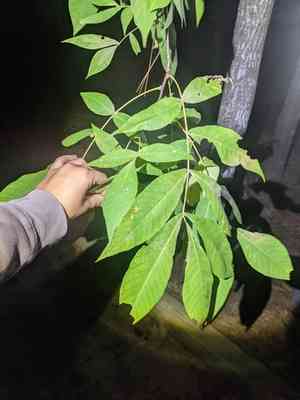
The most favorable period for transplanting sand hickory is during the revitalizing warmth of early to mid-spring. It thrives when situated in sandy, well-draining earth, which fosters vigorous development. When undertaking any transplanting, careful management of the root structure contributes to successful integration.
What Preparations are Needed Before Transplanting Sand Hickory?
What is the Ideal Time for Transplanting Sand Hickory?
The best time to move sand hickory is at the start of the growing season, specifically early to mid-spring. This period leverages the plant's natural vitality as it awakens from winter dormancy, benefiting from the soil's increasing warmth and moisture. This strategic timing allows for strong root development before summer heat, boosting growth potential and resilience.
How Much Space Should You Leave Between Sand Hickory Plants?
When preparing to relocate your sand hickory, ensure ample room for each plant's development. Aim for a separation of 8-10 feet (2.4-3 meters) between individual plants. This provides your sand hickory sufficient area to grow and thrive without competition.
What is the Best Soil Mix for Sand Hickory Transplanting?
Your sand hickory will flourish in well-drained loamy soil, rich in organic matter. Before transplanting, enrich the soil with a suitable base fertilizer. This will provide your sand hickory with an immediate nutrient boost. Start off strong!
Where Should You Relocate Your Sand Hickory?
Select a spot that receives abundant sunlight for your sand hickory to prosper. The plant requires approximately 6 hours of direct sun daily. However, a little shade during the hottest part of the day will not be detrimental. Happy planting!
What Equipments Should You Prepare Before Transplantation Sand Hickory?
Gardening Gloves
To safeguard your hands while handling soil and plants.
Shovels or Spades
Crucial for excavating holes and extracting the plant from its initial spot.
Trowel
Excellent for creating a precise, small cavity if you're relocating a young plant or sprout.
Pruning Shears
Used to trim any lifeless or damaged roots or branches during the relocation process.
Garden Hose or Water Can
To ensure the plant and soil remain moist throughout the procedure.
Wheelbarrow or Plant Caddy
Useful for moving the plant, especially if it's large and heavy.
Rooting Hormone
This can stimulate root development and help your sand hickory plant quickly establish itself in its new location.
Mulch
To safeguard the plant's root system and retain soil moisture after transplanting.
How Do You Remove Sand Hickory from the Soil?
How Do You Remove Sand Hickory from the Soil?
From Ground: First, hydrate the sand hickory plant to ensure the soil is damp. This facilitates easy release of the root structure. Gently excavate a wide trench around the root zone using a shovel or spade. The goal is to retrieve as much of the root system as possible without causing harm. Carefully lift the plant from its original position, taking care not to injure the roots.From Pot: Begin by watering the potted plant to loosen the roots. Turn the pot sideways, gently grasp the plant by its stem, and tap the bottom of its container until the plant slides out. Avoid pulling or tugging on the plant's stem.From Seedling Tray: Gently hold the sand hickory seedling by its leaves to prevent damage to the delicate stem, and press the base of the seed cell until the plant and its root ball slide out freely.
Step-by-Step Guide for Transplanting Sand Hickory
Preparation
Prepare the new planting site before extracting the sand hickory from its original spot. The hole should be twice as wide as the root system but no deeper than the plant was initially grown. This will ensure the relocated plant doesn't settle too deeply into the ground.
Positioning
Once the hole is ready, place the sand hickory plant into it. The top of the roots should be level with or slightly below the ground surface.
Fill The Hole
Backfill the hole with garden soil, being careful not to bury the root collar or main stem. Gently press the soil down with your hand to eliminate air pockets and secure the plant.
Watering
Water the sand hickory plant thoroughly, ensuring water reaches the root zone to aid in its establishment.
Apply Mulch
Apply a layer of mulch around the plant's base to conserve soil moisture and help suppress weed growth.
How Do You Care For Sand Hickory After Transplanting?
Mulching
Continue to apply mulch around the base of your sand hickory to maintain soil moisture and temperature. Replenish as needed throughout the growing season.
Watering
Keep the soil around the sand hickory consistently moist, especially during the initial months after transplanting. The watering frequency can be reduced as the plant establishes itself.
Pruning
Trim away any dead or damaged parts of the plant. This ensures that the plant's energy is directed towards new growth.
Monitoring
Regularly observe your sand hickory for any indications of transplant shock, such as leaf drop, wilting, or color change. If any issues arise, seek advice.
Troubleshooting Common Issues with Sand Hickory Transplantation.
When is the ideal time to transplant sand hickory?
The optimal period to transplant sand hickory is during S1-S2. This allows the plant sufficient time to acclimate before growth spurts.
What is the correct spacing for sand hickory?
Appropriate spacing for sand hickory is vital for healthy development. Maintain a gap of 8-10 feet (2.4-3 meters) between each plant.
What do I do if the sand hickory is not thriving after transplantation?
Ensure sand hickory receives adequate light, water, and nutrients. If not, adjust its care. Transplant shock can occur but should resolve with proper attention.
Why are the leaves of sand hickory yellowing after transplant?
Yellowing leaves may indicate a nutrient deficiency or watering problems. Check soil moisture levels regularly and ensure sand hickory is fertilized correctly.
Should I prune sand hickory before transplanting?
Yes, it's advisable to lightly prune sand hickory before transplanting. This helps the plant conserve energy and promotes a healthier root system.
How deep should sand hickory be planted?
It's crucial to plant sand hickory at the same depth it was in its original container. Planting too deep or too shallow can be detrimental.
What kind of soil does sand hickory prefer for transplantation?
Sand hickory thrives in well-draining soil. Ensure your planting site doesn't retain water, but remains moist. Excessive water can lead to root rot.
How often should I water sand hickory after transplanting?
Frequency depends on weather and soil type. Initially, water sand hickory deeply to settle the roots. Then, maintain consistently moist, but not waterlogged, soil.
What is the best location to plant sand hickory in my garden?
Sand hickory prefers full sun to partial shade and well-draining soil. Remember to provide ample space for its growth, considering its mature size.
Why is the sand hickory dropping leaves after transplanting?
Leaf drop could be a symptom of transplant shock. Do not worry, it is temporary. Continue providing appropriate care, and sand hickory should recover in due course.



