How to Transplant Pecan?
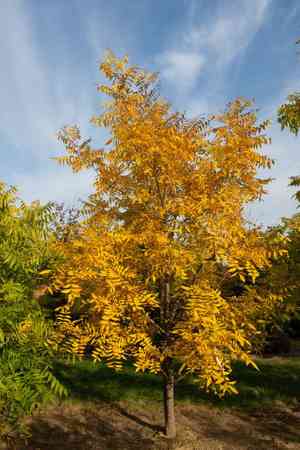
For pecan trees, the ideal transplanting window spans from the latter part of spring into early summer, facilitating strong root development. Select a location that receives ample sunlight and possesses soil with good drainage. Should it be necessary, improve the soil's composition before relocation to aid root acclimation.
What Preparations are Needed Before Transplanting Pecan?
What is the Ideal Time for Transplanting Pecan?
The optimal period for relocating pecan is when spring blooms transition into the warmth of early summer. Moving pecan during this timeframe ensures roots establish in moderate soil, ready for robust development. Transplanting pecan then leverages longer days and milder nights, creating an ideal setting for strong root growth. It's the prime season for your pecan to flourish, allowing it to settle in before the peak of summer growth!
How Much Space Should You Leave Between Pecan Plants?
Let's provide your pecan ample room to thrive! Aim to position them approximately 24-60 feet (7.3-18.3 meters) apart. This will guarantee sufficient space for their roots to expand and branches to spread. A friendly reminder: more room now leads to a healthier pecan later!
What is the Best Soil Mix for Pecan Transplanting?
Your pecan will appreciate nutrient-rich soil with effective drainage! Begin by preparing the soil with a balanced fertilizer and ensure it's loamy and not overly saturated. This will create a welcoming environment for the pecan roots to take hold.
Where Should You Relocate Your Pecan?
Select a sunny location for your pecan as they thrive in sunlight. Ensure the site receives full sun exposure for most of the day, which will help your pecan prosper and yield those delightful nuts. Sun-kissed foliage indicates a contented pecan!
What Equipments Should You Prepare Before Transplantation Pecan?
Gardening Gloves
To safeguard your hands while handling soil and plants.
Shovel or Spade
To excavate the plant and create a new hole at the destination.
Wheelbarrow
To move the excavated plant, if necessary.
Watering Can or Hose
To hydrate the pecan before and after its relocation.
Pruning Shears
To trim any damaged roots or branches.
Root Stimulator
To encourage new root development post-transplant.
Mulch
To help maintain soil moisture and regulate temperature around the root area after planting.
How Do You Remove Pecan from the Soil?
How Do You Remove Pecan from the Soil?
From Ground: First, irrigate the pecan plant to moisten the soil. Then, excavate a wide trench around the plant using a shovel or spade, ensuring sufficient depth to preserve the root ball. Carefully work around and beneath the root ball to gently lift the plant.From Pot: Water the pecan in its container to loosen the soil. Turn the pot sideways and tap the base to encourage the root ball to slide out. Use your hands to support the plant as it exits the pot.From Seedling Tray: Water the seedlings to make the soil damp. Gently extract the seedlings from the tray using a small tool, such as a fork or spoon, making sure to retain as much soil around the roots as possible.
Step-by-Step Guide for Transplanting Pecan
Preparation
Ensure all necessary tools and supplies are ready. Water the pecan thoroughly beforehand to lessen transplant shock and facilitate soil removal. Inspect the plant's root system to carefully remove any dead or damaged roots with pruning shears, ensuring clean cuts for improved healing and regrowth. If the plant is wrapped in burlap or a biodegradable container, remove any ties or wires, and partially cut away the container to free the roots while still keeping the root ball intact during placement into the new hole. Handle the pecan with care to preserve its root structure as much as possible during transport to the new site.
Transplanting Hole
Dig a hole at the chosen location that is twice the width and equal in depth to the pecan's root ball. If removed from a pot or seedling tray, ensure the root flare (where roots meet the trunk) is exposed and sits slightly above ground level in the new planting hole. Center the pecan in the hole, gently spreading out the roots to encourage downward and outward growth.
Placement
Use your hands to hold the pecan upright and centered in the hole. Begin backfilling the hole with native soil, gently tamping down as you fill to eliminate air pockets. Avoid over-compacting the soil as it can restrict root growth and water penetration.
Watering
Once the pecan is planted, water it deeply to settle the soil around the roots and help reduce transplant shock. A root stimulator can be applied following the manufacturer's instructions to promote healthy root development.
How Do You Care For Pecan After Transplanting?
Monitoring
Observe the pecan closely for indications of transplant shock, such as wilting, leaf drop, or discoloration. These symptoms may be temporary as the plant adapts to its new surroundings. Provide extra attention during this period and adjust care practices as needed to aid recovery.
Staking
If the pecan is tall or situated in a windy area, consider temporarily staking the plant for support. Stake loosely to allow for natural movement and growth, and remove the stakes after one growing season, or once the plant is stable.
Mulching
Apply a layer of organic mulch around the base of the pecan, keeping it a few inches away from the trunk. This will help conserve moisture, suppress weeds, and provide a gradual release of nutrients as the mulch decomposes. Maintain the mulch layer throughout the pecan's establishment phase.
Pruning
Refrain from extensive pruning immediately after transplanting, as this can heighten stress. Remove only broken or damaged branches, and allow the pecan to direct its energy towards root establishment and recovery.
Troubleshooting Common Issues with Pecan Transplantation.
What's the best time of year to transplant pecan?
Relocate pecan from the comfort of late spring to the warmth of early summer for optimal outcomes.
How far apart should I plant pecan?
Provide pecan ample space by planting them 24-60 feet (7.3-18.3 meters) apart.
Why are my transplanted pecans wilting?
Wilting might be due to shock. Ensure adequate watering, and avoid direct sun for the initial days post-transplant.
How deep should the hole be for transplanting pecan?
The hole should be twice as wide and equal in depth to the pecan's root ball.
What's the ideal soil for transplanting pecan?
Transplant pecan into well-draining soil with a pH of 6.0-6.5 for optimal growth.
How much water does pecan need after transplanting?
Water pecan generously upon transplanting and then weekly, adjusting for rainfall and soil moisture.
What signs indicate my pecan hasn't taken root after transplanting?
Absence of new growth, yellowing leaves, or wilting may suggest roots aren't establishing. Verify proper planting depth and water.
How do I protect my transplanted pecan from pests?
Apply organic mulch to deter pests, and regularly inspect your pecan for early signs of infestation.
Should I fertilize pecan right after transplanting?
Delay fertilizing pecan until established growth is observed to prevent root burn.
How do I know if pecan is planted at the right depth?
The top of the root ball should be level with the surrounding soil surface, ensuring pecan isn't too deep or shallow.



