How to Transplant Pignut hickory?
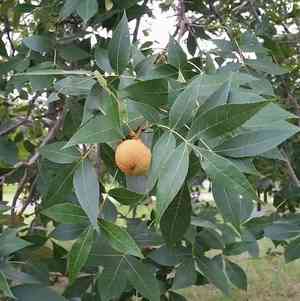
The ideal time to transplant pignut hickory is in the spring, as this promotes strong root development. Choose a location that receives plenty of sun and has soil that drains effectively. Handle the plant carefully to avoid stressing its roots.
Essential Preparations Before Relocating Pignut Hickory?
Optimal Period for Pignut Hickory Relocation?
The most favorable time for moving pignut hickory is at the onset of spring. This period offers revitalizing temperatures and moisture, perfect for root establishment. Young shoots thrive in spring's gentle warmth and abundant rainfall, creating an ideal environment for pignut hickory to anchor and flourish. Transplanting pignut hickory during this season ensures a smooth transition and promotes vigorous growth, guaranteeing seamless integration into its new spot.
Required Spacing Between Pignut Hickory Plants?
When moving pignut hickory, ensure ample room for each plant to develop. Ideally, position them approximately 20-30 feet (6-9 meters) apart. This spacing will allow them sufficient sunlight and foster healthy growth.
Best Soil Blend for Pignut Hickory Transplanting?
For pignut hickory, a well-draining soil type with a loamy or sandy texture is most suitable. Prior to planting, enrich the soil with a foundational fertilizer, such as compost or manure. It's beneficial to ensure the soil possesses good nutrient content for the plant's development.
Ideal Location for Your Pignut Hickory?
Pignut hickory thrives in full sun to partial shade. This means it should receive at least 4-6 hours of direct sunlight daily. Therefore, remember to choose a spot in your yard where the plant will get adequate sunlight.
Tools Needed Before Transplanting Pignut Hickory?
Shovel or Spade
To excavate the planting hole and to extract the plant from its container or the ground.
Gardening Gloves
To safeguard your hands while handling soil and pignut hickory.
Wheelbarrow or container
For moving the pignut hickory plant from its original spot to the new planting site.
Manual Pruners
To trim roots or branches if required.
Transplanting Trowel
Useful for lifting small plants or young seedlings.
Watering Can
To hydrate the plant before and after its relocation.
How to Extract Pignut Hickory from the Soil?
How to Extract Pignut Hickory from the Soil?
From Ground: Begin by watering the plant to moisten the soil. This will facilitate easier removal. Using a shovel, dig a trench around the pignut hickory, ensuring the root ball remains intact. Gently work the spade beneath the root ball and lift the plant from its initial location.From Pot: If the plant is in a pot, remove it by carefully turning the pot sideways and gently pulling the pignut hickory by its base, taking care not to harm the root ball. If the plant is stuck, you might need to cut the pot away.From Seedling Tray: If the pignut hickory is in a seedling tray, carefully lift it with a transplanting trowel without damaging the delicate roots. Position your fingers around the base of the seedling, and lift it gently.
Step-by-Step Guide for Relocating Pignut Hickory
Root Trimming
If the roots of pignut hickory are circling or appear dense, they require trimming before transplanting. Gently loosen soil around the roots and prune any damaged roots.
Digging the Hole
Excavate a hole twice as wide and as deep as the pignut hickory's root ball. The hole should be spacious enough to comfortably accommodate the plant's root system.
Positioning the Plant
Place the pignut hickory in the hole, ensuring it's at the same depth as it was previously growing. It's crucial that the plant is neither too deep nor too shallow.
Backfill the Hole
Refill the hole, firming the soil around the plant. Avoid planting too deeply to prevent root rot.
Watering
Thoroughly water the pignut hickory after planting to aid its establishment in its new spot.
Post-Transplant Care for Pignut Hickory?
Water Management
Consistent watering is vital after transplanting. Water the pignut hickory deeply and thoroughly, but prevent overwatering. The soil should stay moist but not waterlogged.
Foliage Care
You might need to trim the pignut hickory's foliage after transplanting to minimize water loss.
Mulching
Apply mulch around the pignut hickory to retain soil moisture and inhibit weed growth, but keep it away from the plant's trunk to prevent moisture-related diseases.
Monitoring Plant Health
Closely observe the pignut hickory for the initial few weeks for any indications of transplant shock, such as wilting or discolored leaves. If you notice any of these signs, address the underlying issues promptly to save your plant.
Resolving Common Issues with Pignut Hickory Transplantation.
When is the best time to move pignut hickory?
Transplant pignut hickory during S1, this season has been observed to provide the best surviving chances.
What spacing should I maintain between pignut hickory when transplanting?
Keep a distance between 20-30 feet (6-9 meters), so each plant grows without infringing on another's nutrients or space.
Why is my relocated pignut hickory not thriving as expected?
Examine the roots. If they are heavily compacted or circling, you haven't broken them apart sufficiently during transplanting.
Why are the leaves of my transplanted pignut hickory turning yellow?
This may indicate overwatering or inadequate drainage. Ensure you're not overwatering and your soil drains properly.
What type of soil is ideal for transplanting pignut hickory?
Pignut hickory thrives in well-drained soil. Use potting mix and compost rich in organic matter for added nutrients.
How deep should I plant pignut hickory when transplanting?
Dig a hole twice as wide as the root ball and as deep as the plant was growing in its previous location.
After transplanting, when should I begin watering pignut hickory?
Water immediately after transplanting. Keep the soil moist, but avoid water stagnation to prevent root rot.
How to care for a newly transplanted pignut hickory?
Keep the plant well-watered, mulch around the base to retain moisture, and ensure it's getting enough sunlight.
What should I do if the transplanted pignut hickory shows no leaves or flowers?
This could be a sign of transplant shock, maintain proper care. If no improvement, consult with a horticulturalist.
Why are my pignut hickory's leaves wilting after transplanting?
Wilting can be a result of transplant shock, insufficient watering, or exposure to extreme sunlight. Adjust care as necessary.



