How to Transplant Safflower?
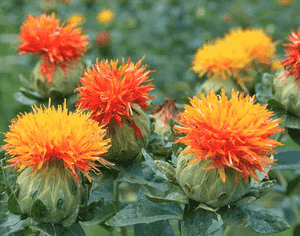
The optimal period for relocating safflower is from mid-spring through early summer, since the plant flourishes when settled in warmer ground. Select a brightly lit spot with soil that drains effectively. Carefully loosen the root mass during the transfer to encourage robust development. Best wishes with your beautiful safflower!
What Preparations are Needed Before Transplanting Safflower?
What is the Ideal Time for Transplanting Safflower?
The optimal period for relocating safflower is from mid-spring to early summer. This timeframe provides the perfect combination of warmth and moisture for safflower to flourish. By transplanting safflower during this phase, you guarantee a long, robust growth period before winter arrives, allowing for strong establishment for the upcoming season.
How Much Space Should You Leave Between Safflower Plants?
To provide safflower ample room for development, position plants approximately 6-12 inches (15-30 cm) apart. This ensures proper air circulation and prevents overcrowding, enabling your plant to thrive.
What is the Best Soil Mix for Safflower Transplanting?
To prepare the soil for safflower, utilize well-draining loamy soil enriched with organic matter. Incorporate a balanced, slow-release fertilizer into the soil prior to transplanting to encourage healthy growth.
Where Should You Relocate Your Safflower?
Select a site for transplanting your safflower that receives ample sun exposure, ideally at least 6 hours of direct sunlight daily. Abundant sunlight will promote vigorous growth and vibrant blooms.
What Equipments Should You Prepare Before Transplantation Safflower?
Gardening Gloves
To protect your hands from any thorns or rough surfaces encountered in the garden.
Shovel or Spade
These tools are necessary for excavating an appropriate hole in the ground when planting your safflower.
Trowel
This can be useful for managing the plant and its root system when extracting it from its original spot.
Watering Can or Hose
Used for hydrating the plant both before and after the transplanting process.
Pot (only if applicable)
A temporary vessel for your plant, if you are moving it from a container to the ground.
How Do You Remove Safflower from the Soil?
How Do You Remove Safflower from the Soil?
From Ground: Begin by moistening the soil around the safflower plant to facilitate its removal. Using your shovel or spade, create a circle around the plant, maintaining a safe distance to avoid root damage. Then, slowly and carefully begin to extract the soil and lift the plant, preserving its root structure. From Pot: Water the safflower plant, then turn the pot on its side, grasp the plant by its base, and gently ease it out. Do not pull forcefully; if it resists, tap the sides of the pot to loosen the soil. From Seedling Tray: Water the seedlings and carefully separate them, striving not to harm the roots. Remove individual seedlings using a dibber or a spoon, holding them by their leaves, not by the roots or stem.
Step-by-Step Guide for Transplanting Safflower
Digging
Start by excavating a hole in your garden where you intend to transplant your safflower using a shovel. The hole should be larger than the plant's root ball.
Placement
Carefully position the safflower in the hole at the same depth it was in its previous location. To achieve this, ensure the top of the root ball is level with the ground surface.
Backfill
Refill the hole with the soil you removed, making sure to completely cover the safflower's root ball. Gently pat the soil to eliminate any air pockets.
Watering
After planting your safflower, water it generously to keep the roots hydrated and aid their establishment in their new environment.
How Do You Care For Safflower After Transplanting?
Watering_Directions
Consistent watering is crucial for a newly transplanted safflower. Hydrate the plant immediately after transplanting, and continue daily for the first week, then gradually reduce the frequency.
Pruning
Pruning enhances the overall vigor of your safflower, lessens transplant shock, and encourages new growth. Remove old, damaged, or excessively long branches once your plant is well-established in its new spot.
Pest Control
Regularly inspect your safflower for indications of pests or diseases. If you observe unusual spots, discoloration, or insects, consider applying an organic insecticide or fungicide.
Mulch
Apply a layer of mulch around your plant. This helps retain soil moisture and control weed proliferation.
Troubleshooting Common Issues with Safflower Transplantation.
When's the perfect time to transplant safflower?
Mid-spring to early summer is the ideal period to ensure your safflower establishes properly.
What is the optimal space between safflower plants during transplanting?
For healthy development, maintain a distance of approximately 6-12 inches (15-30 cm) between each safflower.
How deep should I plant safflower during transplanting?
Safflower should be planted about an inch (2.5 cm) deep in the soil for successful establishment.
Do I need to water safflower immediately after transplanting?
Yes, immediate watering after transplanting ensures that safflower acclimates well to the new surroundings.
Why are my transplanted safflower wilting?
Wilting may indicate water stress. Ensure your newly transplanted safflower are adequately hydrated.
What kind of sunlight exposure is needed for transplanted safflower?
Safflower prefers full sunlight. Place it in a location where it receives 6-8 hours of direct sunlight daily.
What is the ideal soil pH for transplanting safflower?
Safflower thrives best in slightly acidic to neutral soil, with a pH between 6 and 7.5.
Can I use fertilisers while transplanting safflower?
Yes, a mild slow-release fertilizer can be beneficial. However, excessive fertilization can harm the plant.
How frequently should I water the transplanted safflower?
Water safflower moderately after transplanting, allowing the top inch (2.5 cm) of soil to dry out between waterings.
Why are the leaves of my transplanted safflower turning yellow?
Yellow leaves could be a symptom of overwatering or a nutrient deficiency. Adjust watering and consider a balanced fertilizer.



