How to Transplant Loose-flower hornbeam?
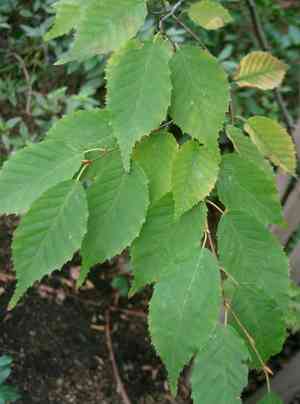
Carpinus laxiflora flourishes when relocated during the prime period spanning early to late spring, which provides an ideal blend of moisture and warmth. Select a site featuring adequately draining earth and dappled sunlight for superior outcomes.
Necessary Preparations Before Relocating Loose-flower Hornbeam?
Optimal Period for Moving Loose-flower Hornbeam?
Relocating loose-flower hornbeam, a perennial, is most effective from early to late spring. This timeframe provides ideal soil conditions and temperatures, minimizing transplant stress. The mild weather and extended daylight encourage root development and robust growth, preparing the plant for a thriving season.
Required Spacing Between Loose-flower Hornbeam Plants?
When relocating loose-flower hornbeam, position them 12-18 feet (3.5-5.5 meters) apart. This allows ample room for development and air circulation, contributing to plant health.
Best Soil Blend for Loose-flower Hornbeam Relocation?
For loose-flower hornbeam, utilize well-drained loamy soil enriched with organic compost. Prior to relocation, incorporate a balanced, slow-release base fertilizer to enhance soil fertility.
Where to Replant Your Loose-flower Hornbeam?
Loose-flower hornbeam thrive in locations with full sun to partial shade. Ensure they receive a minimum of 4-6 hours of daily sunlight, ideally avoiding intense afternoon rays.
Equipment Needed Before Relocating Loose-flower Hornbeam?
Gardening Gloves
To safeguard your hands while handling soil and the plant.
Shovel or Spade
For digging around and lifting the plant from its initial spot.
Watering Can
To hydrate the plant before and after its move.
Garden Trowel
For more precise digging and soil manipulation.
Wheelbarrow
To transport the plant if it's large or to move soil.
Mulch
To aid in retaining soil moisture post-relocation.
Pruning Shears
To trim any damaged or excessively long roots.
How to Extract Loose-flower Hornbeam from the Soil?
How to Extract Loose-flower Hornbeam from the Soil?
From Ground: First, moisten the soil around the loose-flower hornbeam plant. Then, dig a wide trench around the plant with a shovel or spade, ensuring the root ball remains intact. Carefully work the spade beneath the root ball to lift the plant from its original position.From Pot: Thoroughly water the loose-flower hornbeam plant before removal. Gently turn the pot on its side and tap the base to loosen the soil. Carefully slide the plant out, supporting the root ball with your hand.From Seedling Tray: Water the loose-flower hornbeam seedlings beforehand. Use a garden trowel to gently lift each seedling from the tray, taking care to keep as much soil around the roots as possible.
Step-by-Step Guide for Relocating Loose-flower Hornbeam
Site Preparation
Prepare the new planting location by digging a hole that is twice as wide and equal in depth to the root ball of your loose-flower hornbeam plant.
Plant Removal
Follow the appropriate removal procedure for your loose-flower hornbeam plant's current location as detailed above.
Plant Placement
Position the loose-flower hornbeam plant in the center of the new hole, ensuring it sits at the same depth as it was previously.
Filling the Hole
Backfill the hole with the existing soil, gently patting it down to remove air pockets without compacting it too much.
Watering
Thoroughly water the loose-flower hornbeam after planting. Ensure the water penetrates deeply to help settle the soil around the roots.
Apply Mulch
Spread mulch around the base of the loose-flower hornbeam plant, making sure it doesn't touch the stem, to help retain moisture and suppress weeds.
Post-Relocation Care for Loose-flower Hornbeam
Watering
Keep the soil around the loose-flower hornbeam consistently damp, but not waterlogged, for the initial weeks after relocation to encourage strong root development.
Monitoring
Regularly inspect the loose-flower hornbeam plant for indications of stress, such as wilting or yellowing foliage, and adjust care as necessary.
Mulch Maintenance
Ensure the mulch remains around the plant's base to maintain soil moisture and temperature.
Pruning
Remove any damaged or dead leaves to promote healthy growth.
Support
Consider using stakes or supports if your loose-flower hornbeam plant is tall or top-heavy to prevent bending or breakage.
Addressing Common Issues with Loose-flower Hornbeam Relocation.
When is the optimal time to relocate loose-flower hornbeam?
Relocate loose-flower hornbeam in early to late spring for best outcomes.
What spacing should I maintain between loose-flower hornbeam plants?
Ensure 12-18 feet (3.6-5.4 meters) of distance between each loose-flower hornbeam plant.
What soil conditions are ideal for loose-flower hornbeam?
Plant loose-flower hornbeam in well-draining, fertile soil with a slightly acidic to neutral pH.
How do I prepare loose-flower hornbeam for relocation?
Water the plant thoroughly a day prior and dig a generous root ball for relocation.
What size hole should I dig for loose-flower hornbeam?
Dig a hole twice as wide and the same depth as the root ball of loose-flower hornbeam.
How should I handle loose-flower hornbeam's root ball?
Handle the root ball gently and avoid breaking or damaging the roots of loose-flower hornbeam.
How do I ensure proper growth after relocating loose-flower hornbeam?
Water loose-flower hornbeam regularly but avoid waterlogging, and provide mulch to retain soil moisture.
How can I minimize relocation shock in loose-flower hornbeam?
Reduce relocation shock by watering immediately after planting and keeping the plant well-hydrated.
Can I prune loose-flower hornbeam after relocating?
It's best to avoid extensive pruning immediately after relocation; prune only to remove any damaged branches.
How much sunlight does loose-flower hornbeam need after relocating?
Ensure loose-flower hornbeam receives at least 4-6 hours of daily sunlight for optimal growth.



