How to Transplant American hornbeam?
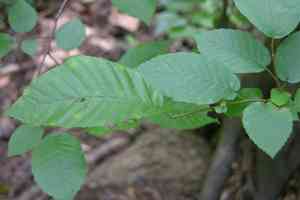
Relocating american hornbeam flourishes when undertaken in the mild period of mid-to-late spring or the initial phase of summer. Select a location offering partial shade and damp, adequately draining earth, guaranteeing american hornbeam adapts to its new environment with reduced strain.
What Preparations are Needed Before Transplanting American Hornbeam?
What is the Ideal Time for Transplanting American Hornbeam?
The best time to move american hornbeam is during the transition from mid to late spring. This period offers mild weather, allowing roots to establish before summer heat. Moving american hornbeam then ensures the delicate root system can adapt without extreme temperatures, promoting strong growth. The gentle spring conditions provide american hornbeam a smooth shift to its new spot, fostering vigor and resilience.
How Much Space Should You Leave Between American Hornbeam Plants?
When relocating your american hornbeam, ensure a spacing of 15-20 feet (4.57 to 6.1 meters) between them. This allows each plant ample room to spread its branches and flourish without crowding. Proper spacing is crucial for their overall development and well-being.
What is the Best Soil Mix for American Hornbeam Transplanting?
When preparing soil for american hornbeam, remember it prefers well-drained, fertile ground. Incorporate organic matter or compost to enrich the soil. Additionally, a slow-release fertilizer works well as a base, ensuring your plant receives nutrients over time.
Where Should You Relocate Your American Hornbeam?
Find a spot for your american hornbeam that gets full sun to partial shade. They are adaptable to light conditions but thrive in such areas. Morning sunlight is perfect, aiding efficient photosynthesis while avoiding intense afternoon heat.
What Equipments Should You Prepare Before Transplantation American Hornbeam?
Shovel
To excavate the planting hole and remove excess soil.
Garden Trowel
For more precise digging and positioning the plant in its new location.
Gardening Gloves
To safeguard your hands while handling soil and plants.
Garden Cart or Wheelbarrow
A convenient tool for moving the plant and soil.
Watering Can
Essential during planting to eliminate air pockets around the roots.
Mulch
A protective layer to retain moisture and suppress weed growth.
Pruning Shears
To trim any damaged roots or unwanted branches.
Sturdy Stake
Offers support for larger trees or those in windy environments.
How Do You Remove American Hornbeam from the Soil?
How Do You Remove American Hornbeam from the Soil?
From Ground: Begin by hydrating the american hornbeam plant to soften the soil. Next, using a shovel, dig a wide circle around the plant, aiming to preserve as much of the root system as possible. Gently lift the plant from the ground, ensuring the root ball is supported to prevent damage.From Pot: Removing a plant from its container is quite straightforward. Water the american hornbeam plant thoroughly, then carefully tip the pot, supporting the plant with your hand. Gently ease the plant out, trying not to harm the roots. If it's stuck, lightly tap the pot to loosen the roots.From Seedling Tray: If the american hornbeam plant is a seedling in a tray, it's best to transplant it early. Water the seedlings to moisten the soil. Carefully, use a small tool like a spoon to pry out each seedling, taking care not to damage the delicate roots.
Step-by-Step Guide for Transplanting American Hornbeam
Digging
Begin the transplanting process by digging a hole twice as wide and equal in depth to the american hornbeam plant's root ball using your shovel. This provides ample room for roots to spread and grow.
Placing
Carefully position the american hornbeam plant into the hole. Ensure the top of the root ball is level with the surrounding ground; planting too low can cause water accumulation and trunk rot, while planting too high may expose and dry out the roots.
Backfilling
Fill the remainder of the hole with soil, gently firming it around the base of the american hornbeam plant.
Watering
Thoroughly water the transplanted american hornbeam, allowing the water to soak into the surrounding soil and the root ball.
Mulching
Apply a layer of mulch around the plant's base. This will help retain moisture and deter weeds.
Staking
If the tree is large or in a windy location, loosely tying the trunk to a sturdy stake can provide support.
How Do You Care For American Hornbeam After Transplanting?
Watering
For the initial week post-transplant, ensure the american hornbeam plant's soil remains consistently moist but not waterlogged, aiding in strong root establishment.
Pruning
Remove any damaged or diseased branches to help your american hornbeam focus its energy on adapting to its new environment.
Feeding
After approximately two weeks, resume a regular feeding schedule using a general-purpose fertilizer.
Protection
In its early stages in a new location, shield your american hornbeam from harsh weather conditions whenever possible.
Troubleshooting Common Issues with American Hornbeam Transplantation.
When is the best time to transplant american hornbeam?
Transplanting american hornbeam thrives best from late spring to early fall, typically 'S2-S4'. These seasons ensure optimal root development and plant stability.
How much space should be between american hornbeam transplants?
For healthy growth, maintain a distance of around 15-20 feet (4.5-6 meters) between each american hornbeam trees. This allows adequate room for mature growth.
My american hornbeam tree isn't thriving after transplanting, why is it so?
Transplant shock might be the reason, often due to improper root handling. Keep the root ball moist and careful while transplanting to minimize shock.
What soil is ideal for transplanting american hornbeam?
American hornbeam prefers well-drained, slightly acidic to neutral soil. Amend with organic matter to improve soil structure and nutrient content for better establishment post-transplant.
Why are the leaves of my transplanted american hornbeam turning yellow?
Yellowing leaves may result from overwatering, or the plant adjusting to a new location. Also, ensure the soil pH isn't highly alkaline which affects american hornbeam health.
How do I water american hornbeam after transplanting?
Water american hornbeam just enough to keep the soil moist but not waterlogged. Overwatering can lead to root rot. It typically requires water once a week.
What's the right depth to plant american hornbeam when transplanting?
When transplanting, dig a hole twice the width and equal to the height of the root ball. This ensures a stable base for american hornbeam to thrive.
Should I prune american hornbeam while transplanting?
It's not necessary, but light pruning can help american hornbeam divert energy to root development. Don't hardcore prune as it could induce more transplant stress.
What care should I take post-transplant for american hornbeam?
Monitor water levels, provide loose, organic mulch for root insulation, and watch out for pests or disease. Provide partial shade if transplanted midsummer.
Do transplanted american hornbeam require fertilizer?
Providing a slow-release, balanced fertilizer can help root development and nutrient uptake post-transplant. Don't over-fertilize, it could burn the roots and harm american hornbeam.



