How to Transplant Wood sedge?
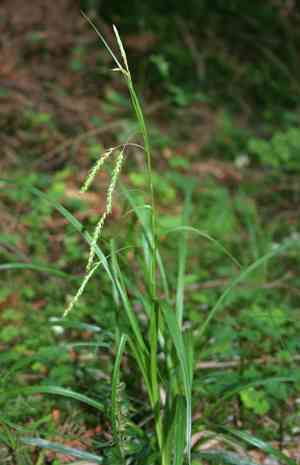
The most favorable period for transplanting wood sedge is in the spring awakening phase, usually from early to mid-spring, which guarantees its establishment in perfect mild conditions. Choose a dim, adequately draining location and carefully transfer wood sedge to its new site, fostering vigorous development.
What Preparations are Needed Before Transplanting Wood Sedge?
What is the Ideal Time for Transplanting Wood Sedge?
The best time to move wood sedge is in early to mid-spring. The mild temperatures and increased humidity during this season create an ideal setting for wood sedge to establish strong roots. Relocating at this time allows wood sedge to settle and flourish, benefiting from spring's nurturing conditions before summer's heat arrives. Remember, these are nature's prime moments for your wood sedge to begin anew with vigor!
How Much Space Should You Leave Between Wood Sedge Plants?
When relocating wood sedge, aim for a spacing of approximately 1-2 feet (30-60 cm) between each plant. This provides ample room for them to spread and grow. Just imagine your future lush greenery!
What is the Best Soil Mix for Wood Sedge Transplanting?
The optimal soil type for wood sedge is loamy, well-draining soil. Prepare your base soil by incorporating a balanced fertilizer. Adding compost or other organic matter can also enhance the soil's fertility for wood sedge. Let's get your hands dirty!
Where Should You Relocate Your Wood Sedge?
Select a location where wood sedge can receive partial shade for optimal growth. This plant thrives in a spot with some protection from the intense afternoon sun. So, let's help them enjoy the sun responsibly!
What Equipments Should You Prepare Before Transplantation Wood Sedge?
Shovel or Garden Spade
This tool will assist in digging around the plant in its original spot and at the new location.
Watering Can
It's used for hydrating the wood sedge both in its initial position to loosen the soil and after transplanting to help roots establish in the new site.
Gardening Gloves
To safeguard your hands while handling soil and plants.
Wheelbarrow or Plant Pot
To safely move the wood sedge from its current spot to the new area.
Garden Trowel
It is useful for loosening soil around plants in smaller containers or seedling trays.
How Do You Remove Wood Sedge from the Soil?
How Do You Remove Wood Sedge from the Soil?
From Ground: First, water the wood sedge to moisten the soil. Then, dig a wide trench around the plant using a shovel or spade, ensuring the root ball remains intact. Work the spade beneath the root ball to lift the plant from its original location.From Pot: Water the potted wood sedge, then invert the pot while supporting the plant's base. The plant and soil should slide out easily. If not, use a garden trowel to loosen the soil around the edges.From Seedling Tray: Water the wood sedge seedlings. Then gently squeeze the bottom of the cell to push the small plant and its soil out smoothly.
Step-by-Step Guide for Transplanting Wood Sedge
Digging the New Site
Excavate a hole that is twice the width of the wood sedge's root ball and equally deep. The top of the root ball should be level with the surrounding soil.
Placing the Plant
Gently position the root ball into the hole. The top should be flush with the soil surface. Carefully backfill the hole to ensure no air pockets remain.
Watering the Plant
Water the wood sedge generously immediately after transplanting. This helps settle the soil around the roots and aids in plant establishment.
How Do You Care For Wood Sedge After Transplanting?
Watering
For the wood sedge, maintaining consistent moisture is crucial. Keep the soil around the wood sedge damp, but not waterlogged, for the initial few weeks post-transplant. This aids in root establishment and adjustment to the new site.
Pruning
To encourage growth after the stress of relocation, trim back the plant by approximately one-third. This redirects the plant's energy from maintaining foliage to developing new roots.
Monitoring
Closely observe the wood sedge after transplanting. Look for any signs of transplant shock â such as wilting, yellowing, or dropped leaves â and adjust care as necessary.
Troubleshooting Common Issues with Wood Sedge Transplantation.
When is the best time to transplant wood sedge?
The most opportune time to move wood sedge is during the S1-S2 seasons. These periods typically offer ideal conditions for root development.
What proper spacing is required when transplanting wood sedge?
Allowing a distance of about 1-2 feet (30-60 cm) between each wood sedge plant ensures they have sufficient room for healthy development.
What if wood sedge droop or wilt post-transplant?
Drooping or wilting can indicate transplant shock. Keep the plant adequately watered, but avoid over-saturating the soil. It should recover over time.
How to choose the best location for wood sedge after transplanting?
Each wood sedge needs a spot that ideally receives ample sunlight. Avoid areas with excessively wet soil to prevent root rot.
What's the best soil type for transplanting wood sedge?
Wood sedge prefers well-drained soil rich in organic matter. A pH level between 5.0 - 7.0 is generally optimal for these plants.
What if the wood sedge shows yellowing leaves after transplantation?
Yellowing leaves can signal a nutrient deficiency or overwatering. Review your watering schedule and consider applying a balanced fertilizer.
Should I prune wood sedge before or after transplanting?
Pruning before transplanting can help reduce stress on wood sedge. Just be sure to gently remove any dead or damaged leaves or stems.
How to correctly transplant wood sedge to avoid root damage?
When relocating wood sedge, try to include as much of the root ball as possible. This minimizes root damage and helps the plant establish quickly post-transplant.
What and how much to water wood sedge after transplanting?
After transplanting wood sedge, water thoroughly so that the water reaches the roots. Afterward, water according to its usual needs unless the weather is unusually dry.
What kind of ongoing care does wood sedge require post transplantation?
Following transplantation, wood sedge needs regular watering, occasional fertilization, and annual mulching. Monitor the plant consistently for pests and diseases.



