How to Transplant Creeping broad-leaf sedge?
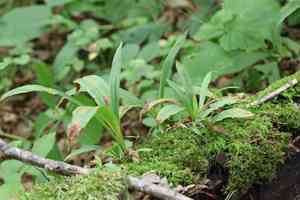
The ideal period for transplanting creeping broad-leaf sedge extends from the vibrancy of late spring through the early stages of summer, as moderate temperatures facilitate root development. Select a location offering partial shade, guaranteeing damp, permeable earth to encourage thriving growth.
What Preparations are Needed Before Transplanting Creeping Broad-leaf Sedge?
What is the Ideal Time for Transplanting Creeping Broad-leaf Sedge?
The best time to move creeping broad-leaf sedge is after spring rains have ended and early summer warmth begins. Moving it during this period of mild temperatures and consistent growth conditions allows creeping broad-leaf sedge to firmly establish its roots without extreme weather stress. This ensures creeping broad-leaf sedge has ample time to adapt to its new spot before cooler autumn weather arrives. A friendly tip: carefully place creeping broad-leaf sedge in its new home and watch it flourish in the gentle warmth of early summer.
How Much Space Should You Leave Between Creeping Broad-leaf Sedge Plants?
Position your creeping broad-leaf sedge starts less than 12 inches (30 cm) apart. This provides sufficient room for them to expand and thrive, yet keeps them close enough to form a dense, unified display.
What is the Best Soil Mix for Creeping Broad-leaf Sedge Transplanting?
Before planting, enrich the soil with organic material and a balanced, slow-release plant food. Aim for soil that is moist, well-draining, and fertile to give your creeping broad-leaf sedge a strong start.
Where Should You Relocate Your Creeping Broad-leaf Sedge?
Choose a location where your creeping broad-leaf sedge will receive filtered sunlight or partial shade. An area that gets morning sun and afternoon shade would be perfect, preventing your creeping broad-leaf sedge from getting too much direct, intense sunlight.
What Equipments Should You Prepare Before Transplantation Creeping Broad-leaf Sedge?
Gardening Gloves
To safeguard your hands while handling soil and plants.
Trowel
For digging smaller holes or adjusting soil around the plant.
Shovel or Spade
To excavate the plant and prepare the new planting site.
Watering Can or Hose
To hydrate the plant before and after its relocation.
Wheelbarrow or Garden Cart
To move the plant and soil efficiently.
Secateurs or Pruning Shears
To trim any damaged roots or foliage.
Root Stimulator (optional)
To encourage new root development post-transplant.
How Do You Remove Creeping Broad-leaf Sedge from the Soil?
How Do You Remove Creeping Broad-leaf Sedge from the Soil?
From Ground: First, moisten the creeping broad-leaf sedge plant to soften the soil, making it easier to manage. Use a shovel or spade to dig a wide circle around the plant, being careful not to harm the root system. Gently pry and lift the root ball from the ground, minimizing root disturbance.From Pot: Water the creeping broad-leaf sedge thoroughly beforehand. Turn the container on its side and gently tap to loosen the plant. Support the plant's base with one hand and carefully slide it out of the pot with the other. If it's stuck, you might need to cut the pot away.From Seedling Tray: Water the tray to soften the growing medium. Use a trowel or your fingers to carefully lift the seedling by its leaves, avoiding damage to the stem and roots. Gently separate individual plants if necessary.
Step-by-Step Guide for Transplanting Creeping Broad-leaf Sedge
Plant Removal
Carefully extract creeping broad-leaf sedge from its original spot using the correct method depending on whether it's in the ground, a container, or a seedling tray.
Hole Preparation
Dig a hole in the new location that is twice as wide and as deep as the root ball of creeping broad-leaf sedge, allowing ample room for the roots to spread.
Root Care
Inspect the root ball, trim any damaged roots with secateurs, and if the plant was pot-bound, gently untangle the roots.
Placement
Position creeping broad-leaf sedge in the center of the new hole, ensuring the top of the root ball is level with the surrounding ground.
Backfilling
Fill the hole with soil, gently firming it around the roots to remove air pockets.
Watering
Thoroughly water creeping broad-leaf sedge to settle the soil and provide moisture for the roots.
Support
If creeping broad-leaf sedge needs extra support to stand upright, provide stakes or plant supports at this stage.
How Do You Care For Creeping Broad-leaf Sedge After Transplanting?
Watering
Ensure creeping broad-leaf sedge receives sufficient water to keep the soil slightly moist around its roots, especially during the initial weeks to aid establishment.
Mulching
Apply a layer of mulch around creeping broad-leaf sedge to retain moisture, stabilize soil temperature, and reduce weed competition.
Monitoring
Observe creeping broad-leaf sedge for any signs of stress, such as wilting or discolored leaves, and address issues promptly.
Pruning
Remove any dead or damaged foliage to help creeping broad-leaf sedge direct its energy towards new growth.
Protection
If severe weather is predicted soon after transplanting, consider offering temporary protection for creeping broad-leaf sedge.
Troubleshooting Common Issues with Creeping Broad-leaf Sedge Transplantation.
When is the best time to transplant creeping broad-leaf sedge?
The ideal period to move creeping broad-leaf sedge is late spring or early summer for optimal root establishment before winter.
What's the ideal spacing for creeping broad-leaf sedge during transplanting?
Aim for close spacing, keeping transplants less than 12 inches (30 cm) apart to create a dense display.
My creeping broad-leaf sedge looks wilted after transplanting, what should I do?
Don't fret, wilting is normal. Ensure adequate watering and shield it from intense sun for the first few days post-transplant.
Can I transplant creeping broad-leaf sedge during a hot day?
Transplanting during cooler parts of the day, such as early morning or late afternoon, can help minimize transplant shock.
How deep should I plant creeping broad-leaf sedge?
Plant creeping broad-leaf sedge at the same depth it was previously growing to prevent stem rot or drying out.
How much should I water creeping broad-leaf sedge after transplanting?
Keep the soil consistently moist, but not waterlogged, for the first few weeks to help the roots settle.
Should I fertilize creeping broad-leaf sedge right after transplanting?
Delay fertilizing until creeping broad-leaf sedge has established for a few weeks to avoid burning tender roots.
Is it okay to transplant creeping broad-leaf sedge in the rain?
A light rain can be beneficial for transplanting creeping broad-leaf sedge, as it helps roots make better contact with the soil.
What soil pH is ideal for transplanting creeping broad-leaf sedge?
Creeping broad-leaf sedge thrives in slightly acidic to neutral pH; test your soil first, and amend as needed before transplanting.
How do I handle the roots of creeping broad-leaf sedge during transplanting?
Carefully untangle the roots to spread them out. Avoid using force that could damage the delicate root structure.



