How to Transplant Distant-flowered sedge?
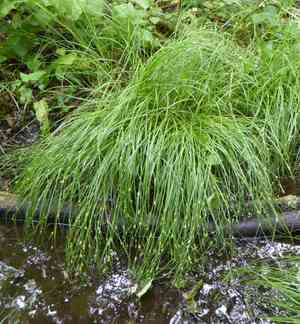
The most favorable period for relocating distant-flowered sedge is during temperate conditions, generally spanning from the onset of late spring into the early warmth of summer, or from the tranquility of late autumn through the initial chill of winter. Select a location where distant-flowered sedge receives soft morning sunlight, but can also find refuge in protective shade during intense afternoon periods. Guaranteeing damp, adequately draining soil will furnish distant-flowered sedge with the perfect new environment for flourishing.
What Preparations are Needed Before Transplanting Distant-flowered Sedge?
What is the Ideal Time for Transplanting Distant-flowered Sedge?
The best time to move distant-flowered sedge is during the mild periods of late spring to early summer, or from late fall to early winter. Transplanting at these times promotes strong root development without the strain of harsh weather, giving distant-flowered sedge a good start. The moderate temperatures and moist ground during these seasons offer perfect conditions for distant-flowered sedge to flourish after being moved, leading to vigorous, healthy growth.
How Much Space Should You Leave Between Distant-flowered Sedge Plants?
When getting ready for your distant-flowered sedge's new spot, aim for a comfortable spacing of about 6-8 inches (15-20 cm) between each plant. This provides them with ample room to grow without feeling cramped!
What is the Best Soil Mix for Distant-flowered Sedge Transplanting?
Your distant-flowered sedge will thrive in soil that drains well, so opt for a loamy type and enhance it with a balanced, slow-release fertilizer. Just apply it according to the instructions on the package. You're preparing a nourishing feast for your green companions!
Where Should You Relocate Your Distant-flowered Sedge?
Choose a location for your distant-flowered sedge where the sun gently touches its leaves. Partial shade is its preferred environment. Ensuring the sunlight filters through ideally will keep your distant-flowered sedge content from frond to frond!
What Equipments Should You Prepare Before Transplantation Distant-flowered Sedge?
Gardening Gloves
To safeguard your hands while handling soil and plants.
Spade or Shovel
For digging and lifting the plant's root mass.
Garden Fork
To loosen the soil surrounding the plant's roots.
Watering Can or Hose
For hydrating the plant before and after removal and replanting.
Wheelbarrow or Plant Tray
For moving the plant.
Pruning Shears
To trim any damaged or overgrown roots and stems.
Mulch
To help maintain moisture and regulate soil temperature around the new planting area.
How Do You Remove Distant-flowered Sedge from the Soil?
How Do You Remove Distant-flowered Sedge from the Soil?
From Ground: Water distant-flowered sedge thoroughly the day before transplanting to lessen stress and ease removal. Dig a wide circle around the plant to avoid harming the root system. Use a shovel or spade to carefully work around and beneath the plant, then gently lift the plant and its root ball from the ground.From Pot: Water the plant well. Turn the pot sideways, tap the base, and carefully ease the plant out while supporting the stem's bottom. If the plant resists, run a knife along the pot's inner edge to loosen the root ball.From Seedling Tray: Water the seedlings to moisten the soil. Use a small tool like a dibber or a wooden stick to push up from the cell's bottom, then lift the seedling by its leaves, not the stem, to prevent damage.
Step-by-Step Guide for Transplanting Distant-flowered Sedge
Preparation
Gather all necessary tools and ensure the new location is ready for transplanting.
Root Pruning
Trim any excessively long or damaged roots with pruning shears to encourage new growth.
Digging Hole
Create a hole in the prepared ground that is as deep as the root ball and twice its width. Break up the soil at the bottom of the hole.
Placing distant-flowered sedge
Position distant-flowered sedge in the center of the hole. The top of the root ball should be level with the surrounding soil surface.
Backfilling
Fill in the hole with soil around the root ball, gently pressing down to eliminate air pockets.
Watering
Water distant-flowered sedge thoroughly after transplanting to settle the soil and hydrate the roots.
Mulching
Apply a layer of mulch around the base of distant-flowered sedge, keeping it away from the stem to prevent rot.
How Do You Care For Distant-flowered Sedge After Transplanting?
Monitoring
Observe distant-flowered sedge for signs of transplant shock, such as wilting or yellowing leaves.
Watering
Maintain consistent moisture levels; watering may be required more frequently depending on weather conditions.
Support
If distant-flowered sedge is tall or fragile, consider staking or using plant supports during the initial establishment period.
Pruning
Remove any dead or damaged foliage to help the plant focus its energy on root development.
Protection
Guard distant-flowered sedge against pests and diseases by checking regularly and taking appropriate action if needed.
Troubleshooting Common Issues with Distant-flowered Sedge Transplantation.
How do I know when it's the best time to transplant distant-flowered sedge?
Transplant distant-flowered sedge during the optimal times of late spring to early summer or late fall to early winter, to give it the best start.
What's the ideal distance between distant-flowered sedge plants during transplantation?
Space distant-flowered sedge about 6-8 inches (15-20 cm) apart, which allows each plant ample room to flourish without overcrowding.
Can distant-flowered sedge tolerate being transplanted in full sunlight?
While distant-flowered sedge is resilient, it's best to transplant on a cloudy day or in the evening to reduce stress from direct sun.
What soil condition does distant-flowered sedge prefer when transplanting?
Ensure the soil is well-draining and rich in organic matter for optimal growth of distant-flowered sedge after transplanting.
Should I water distant-flowered sedge immediately after transplanting? How much?
Absolutely! Water distant-flowered sedge generously right after transplanting to help settle the soil around the roots and aid recovery.
How deep should I plant distant-flowered sedge when transplanting?
Plant distant-flowered sedge at the same depth it was growing at before; typically, the crown should be just at soil level.
What if distant-flowered sedge's leaves wilt after transplantation?
Wilting is a common stress for transplants. Keep soil moist and consider shade if necessary. Recovery should follow.
Can I use fertilizer when I transplant distant-flowered sedge?
Wait 4-6 weeks before introducing a mild fertilizer to let distant-flowered sedge establish without burning the roots.
What should I do if distant-flowered sedge doesn't grow after transplanting?
Be patient; distant-flowered sedge may experience 'transplant shock'. Maintain consistent watering and avoid over-fertilizing.
Is it necessary to prune distant-flowered sedge during transplantation?
Prune damaged or dead foliage to help distant-flowered sedge focus on establishing roots and new growth.



