How to Transplant Drooping sedge?
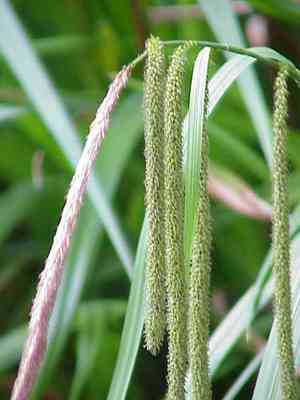
The prime period for transplanting drooping sedge is during the warm, bright months, which encourages robust development after relocation. This plant flourishes best in damp, shaded environments, benefiting from appropriate spacing. Provide generous irrigation to facilitate its adjustment, enhancing its vibrant appearance.
What Preparations are Needed Before Transplanting Drooping Sedge?
What is the Ideal Time for Transplanting Drooping Sedge?
The perfect time to move drooping sedge to its new location is at the start of autumn. This period avoids the intense summer heat, providing mild temperatures and sufficient rainfall, which aids drooping sedge's adjustment. Choosing this season aligns with its natural growth and rest cycle, encouraging root development before winter. You'll be giving drooping sedge the benefit of cooler days to thrive vigorously, setting the stage for a burst of growth when spring arrives.
How Much Space Should You Leave Between Drooping Sedge Plants?
Ensure your drooping sedge plants are spaced 1-2 feet (30-60 cm) apart. This provides adequate room for root expansion and growth without competition for nutrients. It's wise to mark the spots where each drooping sedge will be transplanted to ensure accurate spacing.
What is the Best Soil Mix for Drooping Sedge Transplanting?
For transplanting your drooping sedge, prepare the ground with a rich, well-draining soil blend. Compost or manure serves as an excellent foundational fertilizer. These organic materials supply nutrients, enhance soil structure, and boost water retention, creating an optimal environment for your drooping sedge.
Where Should You Relocate Your Drooping Sedge?
Your drooping sedge flourishes in areas with partial shade to full sun. It's advantageous to select a transplant site that receives morning sunlight. You might want to observe the plant during peak summer to ensure it doesn't get too much intense afternoon sun.
What Equipments Should You Prepare Before Transplantation Drooping Sedge?
Gardening Gloves
To protect your hands from blisters while handling soil and drooping sedge.
Shovel/Spade
To excavate the drooping sedge from its current spot and prepare the hole in the new transplant location.
Gardening Trowel
Useful for digging around smaller roots in confined spaces and manipulating the soil.
Bucket/Wheelbarrow
To transport the drooping sedge from its original site to the new transplant area.
Watering Can/Hose
To moisten the soil both before and after relocating the drooping sedge.
How Do You Remove Drooping Sedge from the Soil?
How Do You Remove Drooping Sedge from the Soil?
From Ground: Start by watering the drooping sedge plant to dampen the surrounding soil, which makes removal easier and less stressful for the plant. Use your shovel or spade to dig a wide circle around the plant, making sure to keep the root ball intact. Gently work the spade beneath the root ball, and lift it out, retaining as much soil around the roots as possible.From Pot: Water the drooping sedge thoroughly until water drains from the bottom hole of the pot. Tilt the pot sideways and carefully pull the plant out while tapping the pot's rim. Remember, it's better to sacrifice the pot than to harm the plant if it doesnât come out easily.From Seedling Tray: Water the drooping sedge seedlings enough to moisten the soil. With your fingers, gently press the bottom of the tray cell, then carefully extract the seedling by holding its leaves, not the stem.
Step-by-Step Guide for Transplanting Drooping Sedge
Preparation
Inspect your drooping sedge plant. Any dead or damaged parts of the plant should be carefully trimmed.
Hole Preparation
Dig a hole in your chosen spot that is twice as wide and the same depth as the root ball. The top of the root ball should be level with the ground when placed in the hole.
Placement
Position the drooping sedge in the hole, ensuring the top of the root ball is flush with the ground. Fill the hole halfway with soil, then water thoroughly. Once the water drains, fill the remainder of the hole with soil.
Watering
Provide a good watering to the drooping sedge immediately after transplanting. Do not compact the soil around the plant after watering, as this can restrict root growth.
How Do You Care For Drooping Sedge After Transplanting?
Watering
After transplanting, drooping sedge requires consistent, but not excessive, watering to help it settle in its new location. The upper few inches of soil should always remain damp. Watch for any signs of water stress, such as wilting leaves; if observed, increase watering frequency.
Mulching
Apply mulch around the base of the drooping sedge using organic material to help retain moisture, suppress weed growth, and regulate soil temperature. Keep the mulch a few inches away from the stem to prevent rot.
Pruning
To help drooping sedge conserve energy during the transplant recovery period, trim any new flower buds that may form for several weeks after transplanting.
Protection
Shield drooping sedge from harsh weather conditions and pests. Consider using a protective net or cloth if necessary.
Troubleshooting Common Issues with Drooping Sedge Transplantation.
When is the best time to transplant drooping sedge?
The most opportune period for relocating drooping sedge is the S4-S6 season, which corresponds to late spring through early summer.
What spacing should I leave between each drooping sedge during transplantation?
For optimal growth of each drooping sedge, it's recommended to maintain 1-2 feet (approximately 30-60 cm) of space between each plant.
How deep should I dig while transplanting drooping sedge?
Ensure you dig a hole that is twice the size of the root ball. A depth of about 10 inches (25 cm) should be sufficient for drooping sedge.
Do drooping sedge plants need any special soil condition when transplanting?
Drooping sedge prefers well-drained soil rich in organic matter. A slightly acidic to neutral soil pH is ideal for them.
Is there a specific transplanting procedure for drooping sedge?
Drooping sedge should be transplanted carefully to avoid root damage. Gradually introduce it to the new spot by positioning it first, then covering it with soil.
Should I prune drooping sedge plant before or after transplanting?
Pruning before transplanting drooping sedge may lessen transplant shock. Trim off any dead or dying sections, but ensure ample foliage remains.
How often should I water drooping sedge post-transplantation?
Water drooping sedge immediately after transplanting, then regularly to keep the soil consistently moist. Avoid waterlogging as it can lead to root rot.
Is drooping sedge transplant-sensitive? If yes, how can I reduce the shock?
Like most plants, drooping sedge might experience some transplant shock. Ensure gentle handling, match soil types, and maintain consistent watering to minimize the shock.
What happens if drooping sedge wilts after transplanting?
If drooping sedge wilts after transplant, do not be alarmed. This is likely transplant shock. Maintain adequate watering and protect it from direct sunlight for a few days.
Should I fertilize drooping sedge after transplanting? When and how?
Yes, fertilizing after transplanting will help drooping sedge establish roots more quickly. After two to three weeks, lightly apply a balanced plant fertilizer, but avoid direct contact with the roots.



