How to Transplant Bird's-foot sedge?
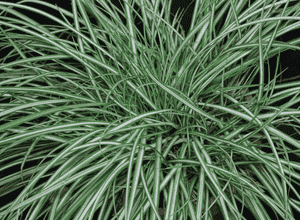
The most favorable period for relocating bird's-foot sedge is in the revitalizing season of spring, which facilitates robust root development. Select a location offering partial shade and soil that drains effectively, replicating its native environment. Exercising caution to lessen root disruption can significantly improve the chances of a successful transplant.
What Preparations are Needed Before Transplanting Bird's-foot Sedge?
What is the Ideal Time for Transplanting Bird's-foot Sedge?
The optimal period for relocating bird's-foot sedge extends from early to late spring, utilizing the mild weather for root development. During these revitalizing months, bird's-foot sedge flourishes as soil temperature and moisture levels support root growth, enabling it to settle before summer's heat. Choosing this timeframe ensures bird's-foot sedge benefits from the entire growing season, building strength for winter. Embrace these months for transplanting bird's-foot sedge to observe a smooth transition and vigorous growth.
How Much Space Should You Leave Between Bird's-foot Sedge Plants?
Hello there, gardening enthusiast! Before placing your bird's-foot sedge in their new spot, let's ensure they have ample room. Position them approximately 8-12 inches (20-30 cm) apart. This spacing allows them sufficient area to thrive and display their beauty. Consider it giving each plant its own personal space!
What is the Best Soil Mix for Bird's-foot Sedge Transplanting?
Preparing the perfect bed for your bird's-foot sedge is akin to baking a cake – the right ingredients are crucial! Aim for soil that drains well, enriched with a touch of organic matter like compost or aged manure. A mild, all-purpose fertilizer will help them get a good start. Think of it as a healthy diet for thriving plants!
Where Should You Relocate Your Bird's-foot Sedge?
Your bird's-foot sedge enjoys a location where it can soak up the sun but also appreciate some coolness. Select a spot that receives partial sun—around 3-6 hours of sunlight daily. East or west-facing areas are like a comfortable nook for your bird's-foot sedge, providing the ideal light to keep them vibrant.
What Equipments Should You Prepare Before Transplantation Bird's-foot Sedge?
Gardening Gloves
To safeguard your hands while handling soil and plants.
Hand Trowel
For extracting the plant from its current container and placing it in the new site.
Spade or Shovel
For digging if the plant originates from the ground and for preparing the new planting area.
Watering Can or Hose
For hydrating the plant both prior to and following transplantation.
Pruning Shears
For trimming any damaged roots or foliage before planting.
Wheelbarrow or Plant Caddy
To move the plant and soil, reducing physical strain.
Organic Mulch
To assist in retaining soil moisture after transplanting.
How Do You Remove Bird's-foot Sedge from the Soil?
How Do You Remove Bird's-foot Sedge from the Soil?
From Ground: First, thoroughly irrigate the bird's-foot sedge to moisten the surrounding earth. Carefully dig a wide circle around the plant using a spade or shovel, being cautious not to harm the root system. Gradually work your tool underneath to lift the plant and root ball from the ground.From Pot: Water the bird's-foot sedge to loosen the soil. Turn the pot on its side, hold the plant at its base, and gently tap the bottom to encourage it to slide out. If the plant doesn't release easily, run a hand trowel along the inner edge of the pot to free the roots.From Seedling Tray: Water the seedlings thoroughly. Gently push the bird's-foot sedge up from the bottom of the cell or use a tool like a dibber to lift the plant out, taking care not to damage the delicate roots.
Step-by-Step Guide for Transplanting Bird's-foot Sedge
Preparation
Gather all necessary tools and materials as listed. Ensure the new planting site is ready, loosening the soil if needed but avoiding excessive disturbance.
Plant Removal
Utilize the methods described previously to extract your bird's-foot sedge from its original spot. Handle the plant gently to prevent any root damage.
Planting Hole
Excavate a hole in the prepared area that matches the root ball's depth and is twice its width. Carefully place the plant in the hole, ensuring it sits at the same depth as it was previously growing.
Positioning
Adjust the bird's-foot sedge's placement so it stands upright, centered, and at the correct depth within the planting hole.
Soil Backfill
Carefully refill the hole with the excavated soil, gently firming it around the roots to eliminate air pockets. Water the plant thoroughly to settle the soil around the roots.
Mulching
Apply a layer of organic mulch around the base of the bird's-foot sedge, keeping it a few inches away from the stem to prevent rot.
How Do You Care For Bird's-foot Sedge After Transplanting?
Watering
Consistently maintain moisture in the soil surrounding the bird's-foot sedge to encourage root growth, but ensure adequate drainage to prevent waterlogging.
Mulch
Monitor and maintain the organic mulch layer to conserve moisture and suppress weeds, replenishing as needed.
Observation
Regularly inspect the bird's-foot sedge for indications of stress or disease, intervening promptly with appropriate care when necessary.
Troubleshooting Common Issues with Bird's-foot Sedge Transplantation.
What's the best time to transplant bird's-foot sedge?
Optimal transplanting time is when spring begins, from early to mid-spring, to promote root establishment.
How far apart should I space bird's-foot sedge plants?
Aim for a graceful 8-12 inches (20-30 cm) between plants to allow ample room for spreading.
Why is my bird's-foot sedge wilting after transplanting?
Wilting may indicate water stress. Ensure the soil remains consistently moist, especially during the initial weeks post-transplant.
What type of soil is best for transplanting bird's-foot sedge?
Thriving in well-drained soil rich in organic matter, bird's-foot sedge prefers a balanced moisture level, neither too wet nor too dry.
How deep should I plant bird's-foot sedge's roots?
Plant roots at the same depth they were in their previous container to avoid smothering or root exposure.
Can I transplant bird's-foot sedge in the fall?
It's preferable to transplant in the spring, allowing roots time to establish before winter dormancy.
Is full sun suitable for transplanting bird's-foot sedge?
Bird's-foot sedge thrives in partial shade to full sun. However, excessive direct sunlight can stress the plant after transplanting.
How much should I water bird's-foot sedge after transplanting?
Water generously immediately after transplanting, then maintain moist soil without waterlogging the roots.
Why are bird's-foot sedge's leaves turning yellow after transplanting?
Yellowing can result from transplant shock, overwatering, or nutrient deficiencies. Assess and adjust care as needed.
Should I fertilize bird's-foot sedge right after transplanting?
Allow bird's-foot sedge time to acclimate before fertilizing. A mild feed can be applied a few weeks post-transplant, using balanced nutrients.



