How to Transplant Palm sedge?
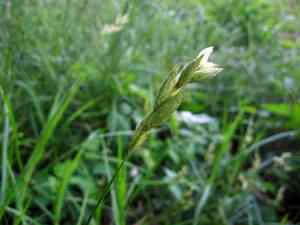
The ideal period for relocating palm sedge occurs during the vigorous growth phase of mid to late spring, capitalizing on the season's consistent environmental factors. Select a damp, adequately draining location that receives partial sunlight. Exercising careful manipulation is crucial for a successful transfer.
What Preparations are Needed Before Transplanting Palm Sedge?
What is the Ideal Time for Transplanting Palm Sedge?
The optimal period for relocating palm sedge is during the lively months of mid to late spring. This timeframe leverages the mild weather, enabling palm sedge to firmly establish its root system prior to summer's heat. Transplanting palm sedge at this point enhances garden aesthetics with rich, green foliage, boosting its decorative appeal. Approach the process with care as you settle palm sedge into its new home, ensuring a flourishing start to its garden life.
How Much Space Should You Leave Between Palm Sedge Plants?
When preparing to move palm sedge, ensure you account for the spacing between each plant. Ideally, they should be positioned 1-2 feet (30-60 cm) apart. This provides ample room for growth without overcrowding.
What is the Best Soil Mix for Palm Sedge Transplanting?
Prepare your soil before planting palm sedge. They thrive in moist, well-drained soil. For an excellent start, incorporate a base fertilizer to supply nutrients and encourage robust development. Mix it thoroughly!
Where Should You Relocate Your Palm Sedge?
Select a spot with partial to full sun for planting your palm sedge. They tolerate various light conditions, but ensure they receive some shade during hot summer afternoons. Enjoy your gardening!
What Equipments Should You Prepare Before Transplantation Palm Sedge?
Gardening Gloves
These are essential for safeguarding your hands while handling the plant, soil, and other gardening implements.
Shovel or Trowel
Necessary for extracting the plant from its original spot and excavating a new hole for its relocation.
Watering Can
Utilized for hydrating the plant both before and after its transfer.
Pruning Shears
These might be required to trim the plant; proper pruning aids in plant vitality.
Wheelbarrow
Convenient for transporting the plant, especially if it's being moved from the ground with a substantial root ball.
Gardening Fork
Helpful for loosening the soil around the roots when moving from the ground.
How Do You Remove Palm Sedge from the Soil?
How Do You Remove Palm Sedge from the Soil?
From Ground: First, hydrate the palm sedge plant to moisten the soil. This will facilitate easier and less stressful removal of the plant from the ground. Use your gardening fork or trowel to dig around the plant's base. The palm sedge's root ball should be fully exposed. Carefully work the digging tool beneath the root ball and gently lift the plant from its initial location.From Pot: For potted plants, begin by watering the plant thoroughly. Invert the pot while supporting the palm sedge at its base and gently tap the pot's bottom until the plant slides out. Be cautious to avoid root damage.From Seedling Tray: If you are moving from seedling trays, water the seedlings before transplanting. Roots will slide out more easily from damp soil. Hold the seedling's base, turn the tray upside down, and gently push the seedling out. Handle the seedling by its leaves to prevent harm to the delicate stem.
Step-by-Step Guide for Transplanting Palm Sedge
Plant Removal
Follow the instructions provided above to safely extract your palm sedge from its initial position, taking care to minimize root damage.
Prepare New Hole
Dig a hole in your chosen spot that is twice as wide and equal in depth to the plant's root ball.
Plant Placement
Position your palm sedge in the hole, ensuring the top of the root ball is level with the surrounding soil surface.
Backfill the Hole
Carefully shovel soil back into the hole, securing the palm sedge.
Watering
Once firmly planted, water the palm sedge thoroughly to settle the soil around the roots and lessen transplant shock.
Final Check
Monitor the plant over the subsequent weeks to confirm it is adapting well to its new environment.
How Do You Care For Palm Sedge After Transplanting?
Watering
Keep the soil around the palm sedge consistently moist, but not waterlogged, for the initial few weeks post-transplant. This encourages the plant to establish its roots in its new spot.
Pruning
If any damage occurred during the relocation, use pruning shears to remove the affected parts. This will help the plant direct its energy towards developing new roots and leaves.
Monitoring
Observe the plant closely, as transplantation can sometimes induce stress. If you notice yellowing leaves or other signs of distress, ensure the plant has adequate water and is not exposed to extreme weather conditions. Remember, palm sedge tolerates shade, so ensure it's not receiving excessive direct sun.
Troubleshooting Common Issues with Palm Sedge Transplantation.
When is the ideal period for transplanting palm sedge?
The optimal time to transplant palm sedge is during the S2-S3 seasons, typically from late spring to early summer.
How should I prepare the ground before transplanting palm sedge?
Prepare the ground by clearing weeds, then till the soil to about 6-8 inches (15-20 cm) deep. Amend with compost if needed for improved water retention.
What is the ideal spacing for transplanting palm sedge?
When transplanting, ensure to position palm sedge approximately 1-2 feet (30-60 cm) apart. This provides them ample room to grow and spread.
Why are my transplanted palm sedge wilting?
Palm sedge may wilt due to transplant shock. Keep the soil moist, but not saturated, and consider using a rooting hormone to mitigate shock.
Can palm sedge be transplanted in containers?
Yes, palm sedge can thrive in containers. Ensure it has a good drainage system to prevent waterlogging, and the pot size is at least 12 inches (30 cm) in diameter.
Why aren't my palm sedge growing after transplanting?
Slow growth of palm sedge after transplanting might be due to a lack of essential nutrients. Fertilize your plant with a balanced slow-release fertilizer to stimulate growth.
How deep should I dig the hole for transplanting palm sedge?
The hole should be deep enough to cover the roots, typically around 6-8 inches (15-20 cm) deep. It should also be twice the width of the root ball to allow for easy root expansion.
How often should I water palm sedge after transplanting?
Water palm sedge thoroughly after transplanting and maintain moist soil for the initial few weeks. However, be careful not to overwater and cause root rot.
What's the best way to handle palm sedge's roots during transplanting?
Handle palm sedge's roots gently during transplanting to prevent damage. Spread them out in the hole before covering with soil, allowing them better access to nutrients.
Can palm sedge survive if transplanting is done in periods other than S2-S3?
Although palm sedge prefers being transplanted in the S2-S3 period, with proper care like additional watering and shade, it might survive transplanting in other periods. However, growth may be affected.



