How to Transplant Morrow's sedge?
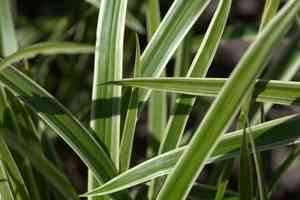
The optimal period for relocating morrow's sedge is from the gentle warmth of late spring through summer, allowing the root system to establish firmly prior to the colder months. Select a location offering partial shade and damp, adequately draining earth for these enduring plants to flourish.
What Preparations are Needed Before Transplanting Morrow's Sedge?
What is the Ideal Time for Transplanting Morrow's Sedge?
Moving morrow's sedge during the gentle period of late spring to early summer provides optimal growth conditions, ensuring your plant flourishes. This time, marked by warming earth and moderate temperatures, fosters an ideal setting for root establishment without the harshness of summer heat. Introduce morrow's sedge to your garden in this season, and observe its vigorous development, thanks to nature's supportive environment.
How Much Space Should You Leave Between Morrow's Sedge Plants?
Begin by allowing approximately 1-2 feet (30-60 cm) of distance when relocating your morrow's sedge. This provides ample room for its development and flourishing. A measuring tape can be useful to ensure proper spacing.
What is the Best Soil Mix for Morrow's Sedge Transplanting?
The soil is vital for your morrow's sedge's success. Choose a soil blend that drains well and enrich it with a balanced, slow-release plant food. This will help supply essential nutrients.
Where Should You Relocate Your Morrow's Sedge?
Your morrow's sedge prefers partial shade, so a spot receiving morning sun and afternoon shade would be most suitable. Consider your location's sun exposure when choosing the perfect site.
What Equipments Should You Prepare Before Transplantation Morrow's Sedge?
Garden Trowel
This implement is ideal for excavating smaller holes when relocating your morrow's sedge. It allows for accuracy and careful handling.
Gardening Gloves
To safeguard your hands while working with the earth and plant material.
Bucket
Useful for hydrating the morrow's sedge plant prior to transplanting and for transporting excavated soil.
Watering Can
To moisten the ground before and after the relocation.
Mulch
This will aid in retaining soil moisture and inhibiting weed growth near the new planting site.
How Do You Remove Morrow's Sedge from the Soil?
How Do You Remove Morrow's Sedge from the Soil?
From Ground: If your morrow's sedge plant is already in the ground, thoroughly water it a day before the move to facilitate removal. Then, use your garden trowel to carefully dig around the plant, ensuring you avoid damaging the roots. Make the excavation deep and wide enough to encompass the entire root system. Gently lift the plant, avoiding any pulling or tugging.From Pot: If your morrow's sedge is in a container, water it a day before transplanting. Carefully tilt the pot sideways and tap it to loosen the soil. The plant should slide out gently when inverted. Handle the plant by its root ball to prevent harm.From Seedling Tray: If your morrow's sedge plant is in a seedling tray, water it first so the soil is damp, making it easier to extract the small plants. Gently press beneath the seedlings from the tray's openings to push them out without harming the delicate roots.
Step-by-Step Guide for Transplanting Morrow's Sedge
Preparation
Begin by submerging the morrow's sedge plant in a container of water for an hour before relocation. This ensures the plant is adequately hydrated.
Digging
Use the garden trowel to excavate a hole at your new planting site. The hole should be twice the width of your plant's root system and the same depth as its previous growth.
Transplanting
Carefully position the plant in the hole. The plant's soil line should be level with the ground. Refill the hole with the soil you removed earlier, gently firming it around the plant's base.
Watering
After transplanting, thoroughly water the morrow's sedge plant to help it settle into its new location. Avoid excessive watering or making the soil waterlogged.
Mulching
Finally, apply a layer of mulch around the plant's base. This will help deter weeds and conserve moisture in the soil.
How Do You Care For Morrow's Sedge After Transplanting?
Regular Watering
Initially, the morrow's sedge plant may need daily watering, depending on weather conditions. Gradually reduce watering as the plant becomes established.
Weed Management
Be sure to routinely check for any unwanted plants around your morrow's sedge. Weeds can compete with your plant for nutrients and water.
Observation
Monitor your morrow's sedge plant to see how it's adapting to its new environment. If the foliage appears wilted or discolored, it might need a bit more attention. Don't jump to conclusions, as some transplant shock is normal.
Avoid Pruning
Trimming can add extra stress to the plant while it's trying to establish itself. Wait until the morrow's sedge is well-rooted before considering any shaping or size management.
Troubleshooting Common Issues with Morrow's Sedge Transplantation.
When is the ideal time to transplant morrow's sedge?
The optimal period to relocate morrow's sedge is between late summer and early winter, referred to as S3-S6.
What is the proper spacing to maintain while transplanting multiple morrow's sedge plants?
Maintain a distance of 1-2 feet (30-60 cm) between each morrow's sedge plant. This ensures sufficient room for growth.
How deep should the holes be for transplanting morrow's sedge?
The excavation should be deep and wide enough to accommodate the morrow's sedge's root system, typically about twice its size.
What kind of soil is best when transplanting morrow's sedge?
Morrow's sedge prefers well-drained soil. Improve heavy clay soil with organic material to enhance drainage and encourage a healthy root system.
How much should I water morrow's sedge after transplanting them?
Water thoroughly immediately after relocation. Keep the soil consistently moist but avoid overwatering to prevent root rot.
Should I prune back morrow's sedge after transplanting?
It's not mandatory, but trimming back morrow's sedge after transplanting can help lessen plant stress and promote new growth.
What should I do if my transplanted morrow's sedge looks wilted?
Temporary wilting is normal. Continue regular watering and provide shade. If wilting persists, check for root diseases or pests.
Why are the leaves of my transplanted morrow's sedge turning yellow?
Yellowing leaves after transplanting might be due to excessive watering or poor drainage. Reduce irrigation and ensure the soil drains properly.
What kind of light does morrow's sedge require after transplanting?
Morrow's sedge thrives in partial shade to full sun. However, post-transplantation, provide it with partial shade to minimize the risk of sunburn.
How often should morrow's sedge be fertilized after transplanting?
Feed morrow's sedge with a slow-release fertilizer once at the start of the growing season; avoid fertilizing immediately after transplanting to prevent root burn.



