How to Transplant Dewey's sedge?
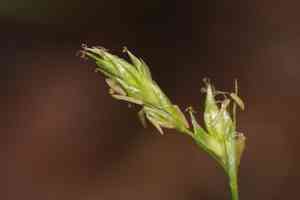
The most favorable period for relocating dewey's sedge extends from the beginning to the end of spring or the start of winter, owing to suitable ground conditions. Select a spot offering partial to complete shade. Steer clear of arid environments; damp, adequately draining earth is preferable.
Essential Preparations Before Relocating Dewey's Sedge?
Optimal Period for Moving Dewey's Sedge?
The best time to move dewey's sedge is from early to late spring or early winter. During these periods, the ground retains moisture, and temperatures are mild, minimizing transplant stress. Relocating in these seasons encourages root development before the intense heat of summer or the deep cold of winter. This timing ensures maximum root growth and overall plant vitality, giving dewey's sedge the best start in its new spot.
Recommended Spacing Between Dewey's Sedge Plants?
Allow dewey's sedge ample room to expand by placing each plant 12-18 inches (30-45 cm) apart. This prevents competition for nutrients and light, providing sufficient space for healthy root and foliage growth.
Ideal Soil Blend for Dewey's Sedge Relocation?
Prepare soil that drains well and is rich in organic material. Incorporating compost or a foundational fertilizer will enhance soil fertility. Dewey's sedge prefers slightly acidic to neutral soil, so aim for a pH between 6.0 and 7.0.
Where to Replant Your Dewey's Sedge?
Dewey's sedge flourishes in partial to full shade. Select a location that receives filtered sunlight or is shaded for a significant portion of the day. Excessive direct sun can stress the plant, so opt for a protected area.
Tools Required Before Transplanting Dewey's Sedge?
Gardening Gloves
To safeguard your hands while handling soil and plants.
Shovel or Spade
For excavating around the plant and preparing a new planting hole.
Watering Can
To hydrate the plant before and after its move.
Trowel
Aids in digging small, precise holes at the new site.
Garden Fork
For loosening the soil surrounding the plant's root ball.
Wheelbarrow (optional)
To transport larger plants from their original spot to the new one.
How to Extract Dewey's Sedge from the Ground?
How to Extract Dewey's Sedge from the Soil?
From Ground: First, moisten the dewey's sedge plant by watering the soil. Next, use a shovel or spade to dig a wide trench around the plant, ensuring the root ball remains intact. Carefully work the spade beneath the root ball to lift the plant from its initial position.From Pot: Gently water the dewey's sedge plant to dampen the soil. Hold the plant's base and carefully invert the pot, shaking gently to release the plant. If it resists, lightly tap the pot's sides or use a trowel to loosen the edges.From Seedling Tray: Lightly water the dewey's sedge seedlings before transplanting. Use a trowel to carefully lift each plant with its root ball intact. Handle seedlings gently by their leaves, not the stem, to prevent damage.
Detailed Guide for Relocating Dewey's Sedge
Site Preparation
Choose a spot with adequate sunlight and room for your dewey's sedge plant to reach its mature size. Avoid areas with heavy foot traffic to prevent soil compaction.
Digging the Hole
Excavate a hole that is twice as wide and the same depth as the root ball of your dewey's sedge plant. This allows the roots to spread out easily.
Amending Soil
If your soil is dense or clay-like, mix in organic matter such as compost to enhance drainage and soil structure.
Placement
Position the dewey's sedge plant in the hole at the same depth it was growing in its original location. Ensure the root ball is level with the surrounding soil surface.
Backfilling
Gradually refill the hole with soil, gently pressing down to eliminate air pockets. Be careful not to compact the soil too much, as this can hinder root growth.
Watering
Thoroughly water the plant after transplanting. This will help settle the soil and provide moisture to the newly transplanted roots.
Mulching
Apply a layer of mulch around the base of the dewey's sedge plant to help retain moisture and regulate soil temperature. Avoid placing mulch directly against the plant stem to prevent rot.
Post-Transplant Care for Dewey's Sedge
Watering
Keep the soil around the dewey's sedge consistently moist, but not waterlogged, for the initial weeks after transplanting to encourage strong root development.
Monitoring
Regularly check for indicators of stress like wilting or yellowing leaves and adjust watering as needed.
Weeding
Maintain a weed-free area around your newly transplanted dewey's sedge plant to reduce competition for nutrients and water.
Protection
If transplanting in an area with strong winds or intense sun, consider providing temporary shade or wind protection for the first few days.
Resolving Common Issues with Dewey's Sedge Transplantation.
When is the best time to transplant dewey's sedge?
Relocate dewey's sedge from early to late spring, or early winter for optimal outcomes.
What is the ideal spacing for dewey's sedge?
Space dewey's sedge 12-18 inches (30-45 cm) apart to ensure proper growth and air circulation.
How deep should I plant dewey's sedge?
Plant dewey's sedge at the same depth it was growing in its original location to minimize shock.
How do I prepare the soil for transplanting dewey's sedge?
Improve the soil with organic matter to ensure good drainage and nutrient availability for dewey's sedge.
How much water does dewey's sedge need after transplanting?
Water dewey's sedge thoroughly after transplanting and keep the soil consistently moist for the initial weeks.
Should I mulch around dewey's sedge after transplanting?
Apply a 2-3 inch (5-7.5 cm) layer of mulch around dewey's sedge to retain moisture and suppress weeds.
How can I reduce transplant shock for dewey's sedge?
Water well, minimize root disturbance, and transplant on overcast days or during cooler hours.
What to do if the leaves of dewey's sedge turn yellow after transplanting?
Check soil moisture, avoid overwatering, and ensure proper drainage to prevent root rot in dewey's sedge.
Can I fertilize dewey's sedge immediately after transplanting?
Wait a few weeks before fertilizing dewey's sedge to allow it to establish and avoid potential root burn.
How long does it take for dewey's sedge to establish after transplanting?
Dewey's sedge typically establishes within a few weeks, but full recovery may take a few months.



