How to Transplant Dense sedge?
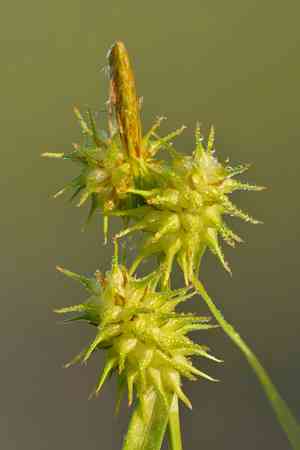
Dense sedge flourishes when relocated between the beginning and end of spring. It performs best in areas ranging from partial shade to full sun, provided the soil is damp and drains effectively. Maintain steady hydration to facilitate rapid establishment of dense sedge in its new environment.
Preparations Required Before Moving Dense Sedge?
Optimal Period for Relocating Dense Sedge?
Dense sedge flourishes when moved from early spring through its later months. This timeframe ensures the ground is warming, aiding root development. Transplanting then promotes rapid acclimation and robust growth before intense summer heat. Early spring provides prime conditions for minimizing plant stress and fostering vigorous progress.
Recommended Spacing Between Dense Sedge Plants?
When relocating dense sedge, ensure a separation of 12-18 inches (30-45 cm). This allows for ample development and good air circulation, helping to prevent potential disease issues.
Best Soil Mixture for Dense Sedge Relocation?
For dense sedge, select well-draining soil, such as sandy or loamy, with a neutral to slightly acidic pH. Enhance the soil with a balanced, organic fertilizer to supply essential nutrients for healthy growth.
Where to Replant Your Dense Sedge?
Move dense sedge to a spot that receives full sun to partial shade. This guarantees they get the correct amount of sunlight, encouraging strong and lush development.
Equipment to Prepare Before Moving Dense Sedge?
Gardening Gloves
To safeguard your hands while handling soil and plants.
Shovel or Spade
For excavating the plant and preparing a planting hole.
Hand Trowel
For more precise digging and working closely around the plant.
Watering Can or Hose
To hydrate the plant before, during, and after relocation.
Wheelbarrow or Bucket
For moving the plant if necessary.
How to Extract Dense Sedge from the Ground?
How to Extract Dense Sedge from the Ground?
From Ground: First, hydrate the dense sedge plant to moisten the soil. Then, excavate a wide trench around the plant using a shovel or spade, ensuring the plant's root ball remains intact. Carefully work the spade beneath the root ball to lift the plant from its original spot.From Pot: If the dense sedge plant is in a container, water it thoroughly before removal. Gently tilt the pot on its side and tap the edges to loosen the soil. Carefully slide the plant out, supporting the stem's base and the root ball.From Seedling Tray: Water the seedlings before removal. Use a hand trowel to gently lift each dense sedge seedling, being careful to keep the root ball and soil intact. If roots are tangled, gently separate them without causing harm.
Step-by-Step Guide for Relocating Dense Sedge
Site Preparation
Select a location with suitable conditions for your dense sedge plant. Prepare the ground by clearing weeds and debris. Dig a hole that is twice the width and slightly deeper than the dense sedge's root ball.
Soil Preparation
Ensure the soil drains well by adding compost or organic matter if needed. Mix thoroughly with the existing soil to encourage root growth.
Plant Placement
Position the dense sedge in the hole, ensuring the top of the root ball is level with or slightly above the ground. Backfill around the root ball with soil, gently firming it down to remove air pockets.
Watering
Water the dense sedge thoroughly after planting. Make sure the soil is moist but not waterlogged.
Mulching
Apply a layer of mulch around the plant's base to help retain moisture and suppress weeds. Keep the mulch a few inches away from the stem to prevent rot.
How to Care for Dense Sedge After Relocation?
Watering
Keep the soil around the dense sedge consistently moist, but not soggy, for the initial weeks after transplanting to aid in establishing strong roots.
Monitoring
Regularly inspect the dense sedge for signs of stress such as wilting or yellowing leaves. Adjust watering and check for pests if necessary.
Pruning
Remove any damaged or dead leaves to promote healthy growth. Pruning can also help the plant focus its energy on root establishment.
Fertilizing
Wait a few weeks before applying any fertilizer to allow the plant to settle. Use a balanced, slow-release fertilizer according to product instructions.
Addressing Common Issues with Dense Sedge Relocation.
When is the best time to move dense sedge?
Early to late spring is the ideal period for relocating dense sedge.
What is the optimal spacing between dense sedge plants?
Space your dense sedge plants 12-18 inches (30-45 cm) apart for best growth.
How do I prepare the soil before moving dense sedge?
Loosen soil to a depth of 10 inches (25 cm) and incorporate compost.
How much water does dense sedge need after relocation?
Dense sedge should be watered thoroughly, ensuring the soil remains moist but not waterlogged.
Should I fertilize dense sedge after relocation?
Fertilize lightly with a balanced, slow-release fertilizer to support new growth after transplanting.
Can I move dense sedge into full sun?
Dense sedge prefers partial to full shade; avoid direct, full sun to prevent leaf burn.
How deep should I plant dense sedge?
Plant dense sedge at the same depth it was growing in its original spot.
What to do if dense sedge shows signs of transplant shock?
Water deeply and provide partial shade to help dense sedge recover from transplant shock.
How to handle root-bound dense sedge before relocation?
Gently separate roots of root-bound dense sedge to encourage better establishment in new soil.
What type of mulch should be used around dense sedge?
Use organic mulch like straw or wood chips to retain moisture and regulate soil temperature around dense sedge.



